Children's shoes - how to choose the best footwear for your toddler?









Why are the right shoes so important for children?
Choosing the right footwear for children is crucial for their physical development and foot health. Wrong shoes can lead to deformities, pain and even posture and spine problems. Children's feet are in a phase of intensive growth - until the age of 16, the bones are still soft and malleable. Poorly selected footwear may disturb the natural development of the foot, leading to flat feet, hallux valgus or joint problems. Therefore, it is worth investing in high-quality shoes that will provide adequate support for the arch of the foot, sufficient space for the toes and proper cushioning while walking and running.
Types of children's shoes available on the market
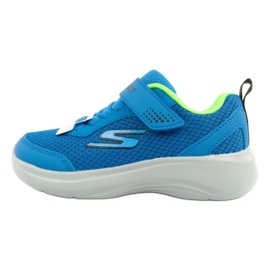
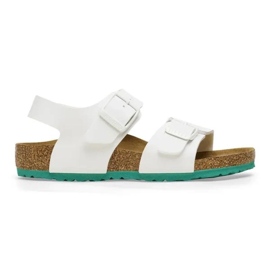
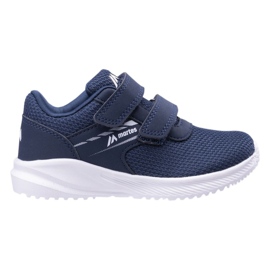
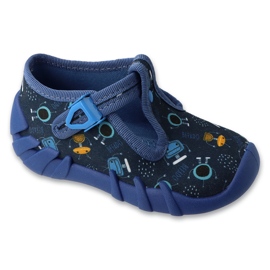
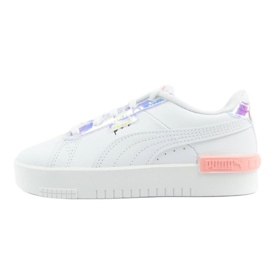
There is a wide range of children's shoes available on the market, tailored to various needs and occasions. Sports shoes are ideal for physical activity - they offer good cushioning, flexibility and stability. Casual shoes, such as sneakers or sneakers, are perfect for everyday use - they are comfortable and easy to put on. For kindergarten and school, it is best to choose models made of airy materials that will ensure comfort throughout the day. On colder days, you need insulated boots and boots that protect against cold and moisture. Elegant pumps, patent leather shoes and formal shoes are available for ceremonial occasions. Let's not forget about home footwear - slippers that ensure stability and the appropriate temperature of the feet. The choice depends on the child's age, season and purpose of the shoes.
Materials and technologies in children's shoes
The choice of materials has a significant impact on the comfort, durability and safety of children's shoes. Natural leather is one of the best materials - it is breathable, flexible and adapts to the shape of the foot. Textiles such as cotton or mesh provide good ventilation, which is especially important in summer. Modern synthetic materials, such as Gore-Tex, offer waterproofness while maintaining breathability. Soles should be made of rubber or EVA, which provide good grip and shock absorption. It is worth paying attention to the technologies used by manufacturers - cushioning systems, anatomical inserts, and special ventilation systems can significantly improve wearing comfort. Let's avoid low-quality artificial materials that do not allow the feet to breathe and may cause sweating.
How to choose the right size of children's shoes?
Selecting the right size is the basis for comfort and healthy foot development. Shoes that are too tight may cause calluses, abrasions and toe deformations, while shoes that are too loose will not provide stability and may lead to trips. To measure your child's feet correctly, place them on a piece of paper and trace the outline of the foot. Measure the length from the heel to the longest toe and add 0.5-1 cm allowance for height. It is best to measure your feet in the afternoon, when they are slightly larger. Remember that children's feet grow quickly - up to 3 years of age, even by a size every 2-3 months, then about 1-2 sizes per year. Check your size regularly and replace your shoes when they become too tight. In the store, always ask your child to walk around in the shoes and check whether they can move their toes freely.
The most important features of good children's shoes
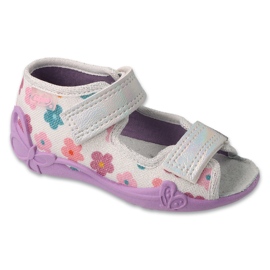
Good shoes for children should meet several key criteria. The flexibility of the upper is important so as not to restrict the natural movements of the foot. The sole should be flexible in the front but stable in the middle and rear to provide adequate support. Traction is also important - the sole should have good tread to prevent slipping. Appropriate cushioning protects your joints and spine during activity. Shoes should be wide enough for the toes to move freely - the ideal space is about 1 cm from the longest toe to the end of the shoe. The materials should be breathable to prevent your feet from sweating. It is also worth paying attention to comfortable fasteners - Velcro or elastic laces make it easier for the child to put on the shoes on their own.
How to care for children's shoes?
Proper care extends the life of shoes and ensures hygiene. Regular cleaning is essential - leather shoes can be cleaned with a damp cloth and impregnated with special preparations, textile shoes can often be washed in a washing machine according to the manufacturer's instructions. It is important to air your shoes regularly - after wearing them all day long, it is worth drying them in a ventilated place, away from radiators that may damage the materials. The inserts can be removed and washed separately. It is also worth using moisture absorbers or antibacterial inserts. Store your shoes in a dry place, preferably filled with newspaper to keep their shape. Check the condition of your soles regularly and replace your shoes when they become too worn - walking in worn-out shoes can lead to posture problems.
When and how often to replace children's shoes?
Children's shoes have a limited lifespan due to rapid foot growth and intensive use. Regularly check whether the shoes are not too small - if your child complains of discomfort, you notice calluses on the feet or the shoes seem tight, it is a sign that it is time to replace them. As a rule, it can be checked every 2-3 months in small children and every 4-6 months in older children. Even if the shoes seem to fit, it is worth replacing them after an intensive season of use - a worn out sole, loss of cushioning or deformation of the upper are signals that the shoes should be replaced with new ones. Do not give used shoes to younger siblings - each child has an individual foot shape and used shoes may already be deformed.
Where to buy children's shoes?
Choosing where to buy is as important as choosing the footwear itself. In stationary stores, the advantage is the ability to try on products, professional advice from sellers and a thorough quality check. It is worth choosing stores specializing in children's shoes, where the staff knows the specifics and can help you choose the right size. Online stores offer a wider selection and often lower prices, but require accurate knowledge of the child's foot size. Read the opinions of other parents and check the returns policy - a good online store should allow easy exchange if the size does not fit. Pay attention to quality certificates and brand reputation. Regardless of where you buy, the priority should be quality and comfort, not just the price or appearance of the shoes.