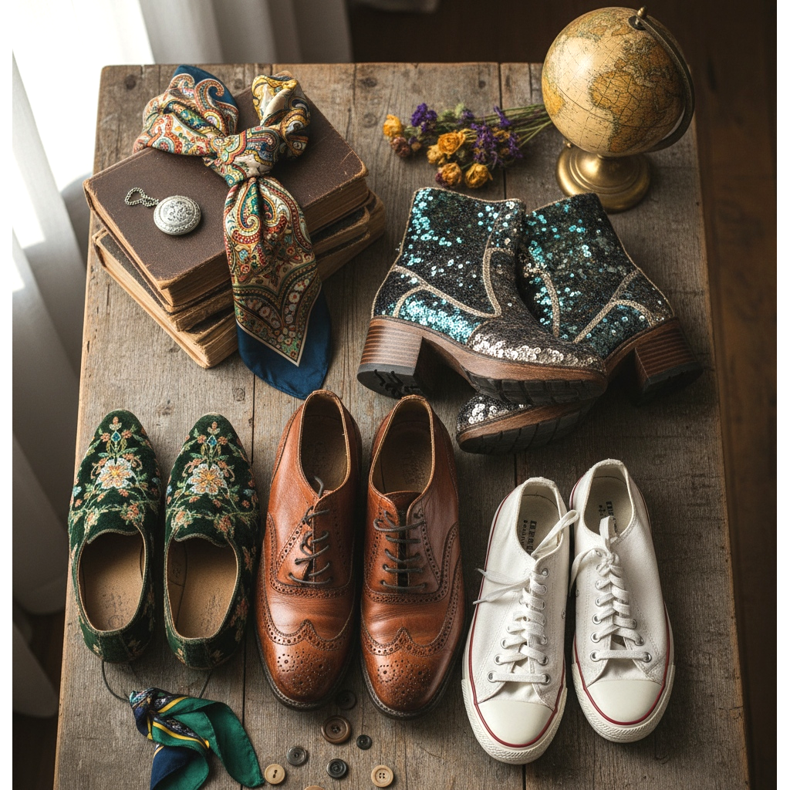
Vintage and second-hand shoes – where to buy and how to choose
Vintage and second-hand shoes offer cheapness, character and responsibility. Learn how to find and choose the perfect vintage shoes for your wardrobe.
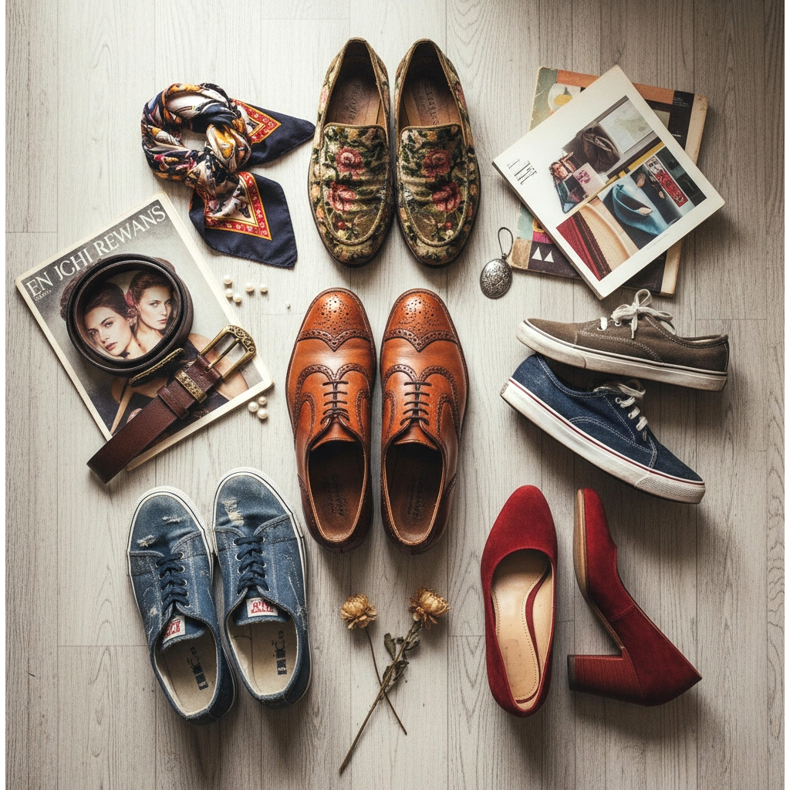
1. Introduction: a second chance for shoes
Vintage and second-hand shoes are not only a trendy way to shop - they are also a response to the changing fashion landscape. Instead of buying new shoes with each collection, more and more people are reaching for shoes from the past, which have a history and character that is difficult to find in new models. In this article, we will tell you how to choose and buy vintage and second-hand shoes, and why they are worth your attention.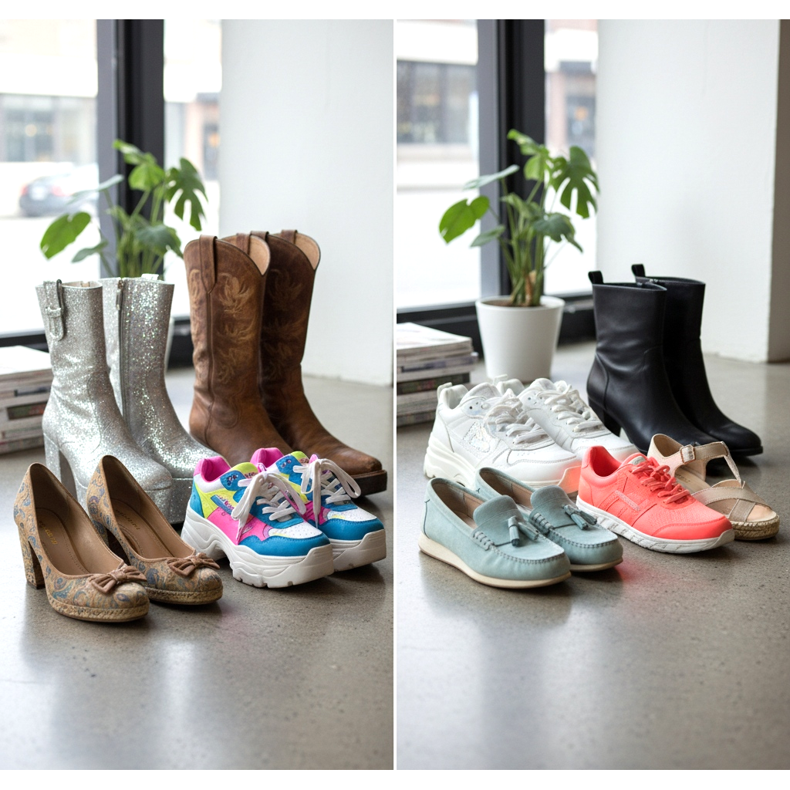
2. Vintage versus secondhand: differences
Vintage shoes are footwear from the past, usually 20-30 years old, which represent the style of a given era. These may be shoes from the 70s, 80s, 90s or even earlier. Secondhand, on the other hand, refers to shoes that have already been worn, but may be much younger - they may be just a few years old. Both categories are interesting to fashionable people, but for different reasons. Vintage shoes offer an authentic historical aesthetic, while secondhand shoes offer more options - these may be recent collections, limited editions, or simply shoes that have changed to suit the owner's tastes.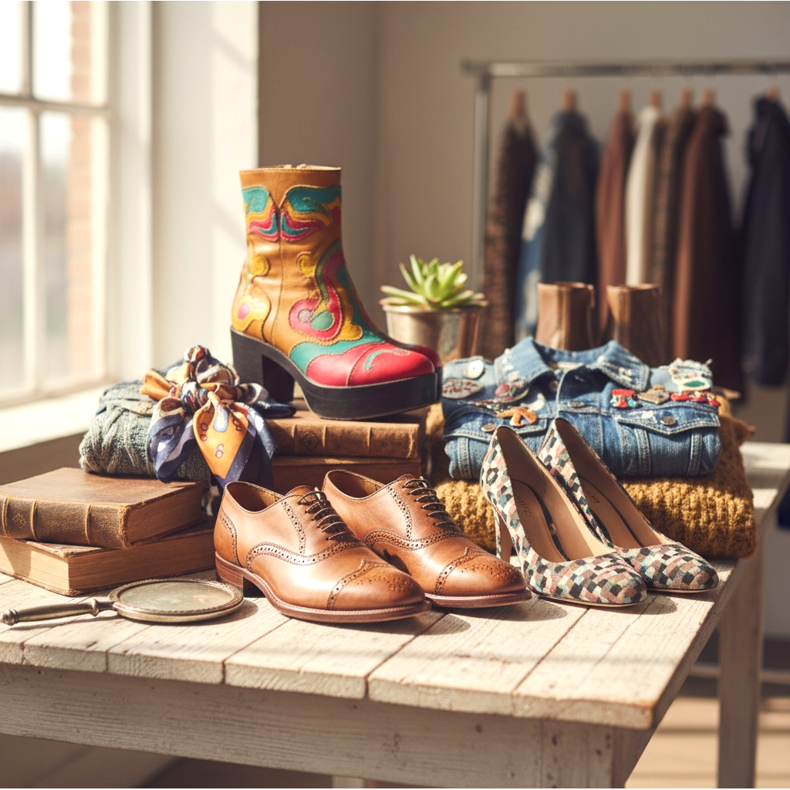
3. Why vintage and secondhand?
First of all, vintage and secondhand shoes are much cheaper than new ones. If you dream of designer shoes, but your budget is limited, a vintage shop or secondhand platform can be your confessor. Additionally, vintage shoes have a history and character that you don't feel in newly produced shoes. Each pair has its own stories - where it was worn, who wore it, what moments it experienced. This adds depth and authenticity to them. Moreover, by buying vintage and second-hand, you support sustainable fashion. Instead of new shoes that require resources to produce, you buy existing shoes that save resources and reduce waste.
4. How to check the status
While vintage and secondhand shoes can be beautiful finds, you need to be careful. Always check the condition of the shoes - whether the seams are intact, whether the leather is in good condition, whether the insoles are intact. Never buy shoes in poor condition thinking that you will restore them - it may be more expensive than buying new ones. Also check the sizing - vintage shoes may be resized and the sizing standard has changed over the years. If you buy online, always check the store's returns policy.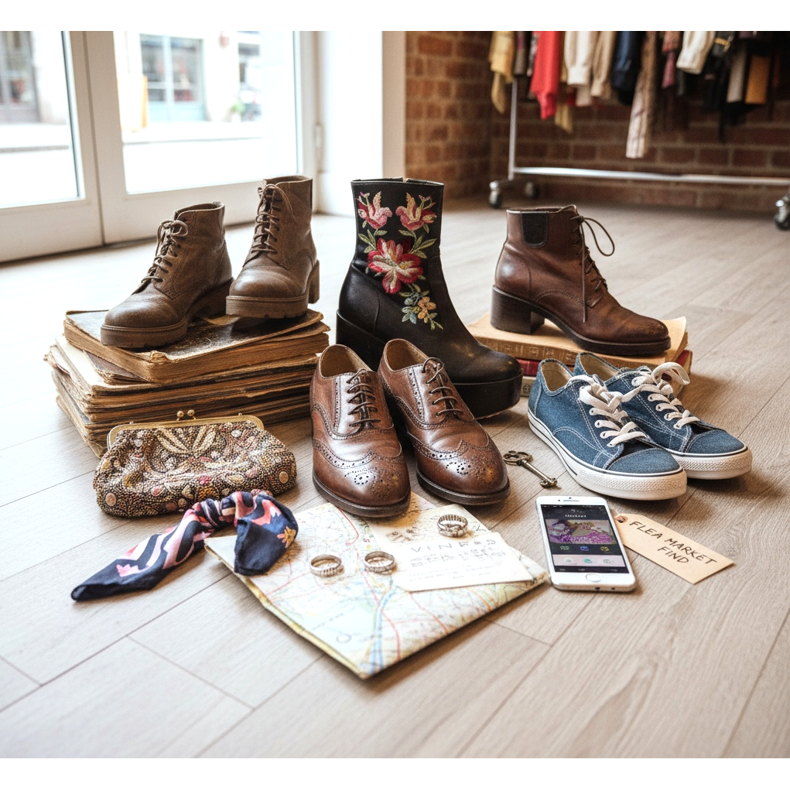
5. Where to look
There are various places where you can look for vintage and secondhand shoes. Physical vintage shops are great places to browse and discover. Online platforms like Vinted, Depop, and Vestiaire Collective offer a huge selection. Some vintage stores specialize in specific brands or eras. Vintage markets and bazaars are also great places to explore. Don't forget about your local second-hand shops or thrift stores - sometimes you can find treasures there.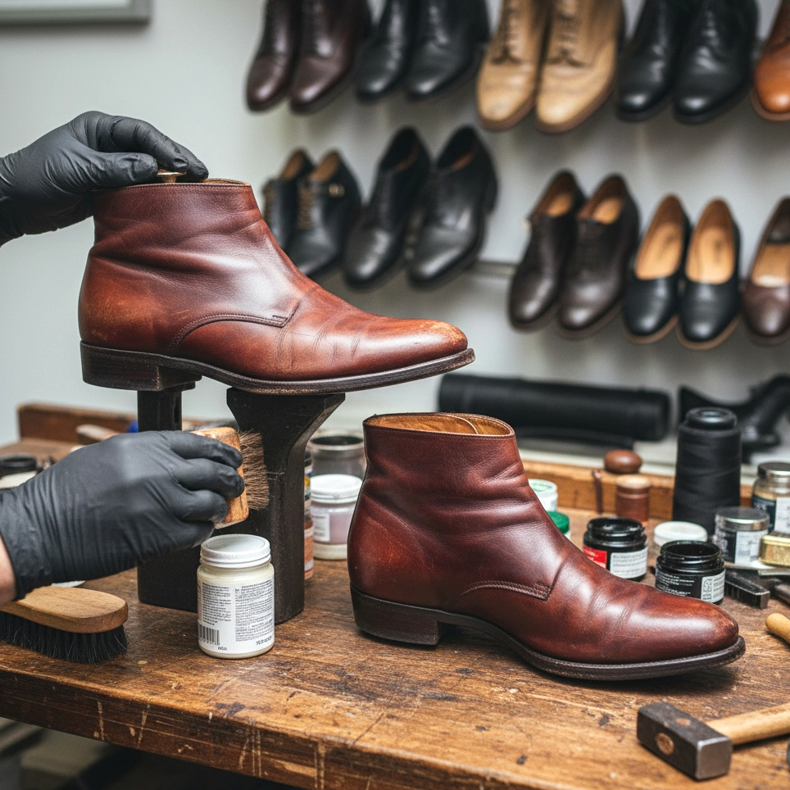
6. Restoration and repair
If you've found the perfect vintage shoes but they need a little TLC, don't worry. Professional shoe restorers can work wonders. They can clean, recycle and even change the insoles. However, be realistic - not all shoes are worth restoring. If your shoes require extensive repairs, it may be more economical to purchase a new pair. However, if the shoes are solid and only need cleaning and maintenance, it is worth saving them.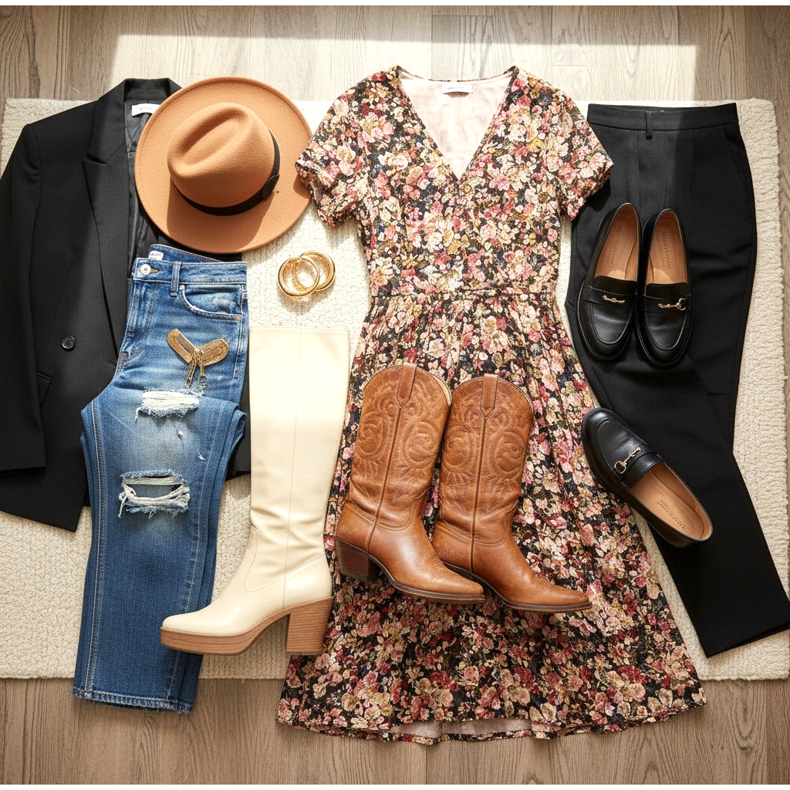
7. Integration with style
Vintage shoes can be an integral part of your wardrobe. They can add character to any styling - cowboy boots from the 90s, boots from the 70s, or minimalist shoes from the 80s are all timeless pieces that can work with modern fashion. The key is to find pairs that you love and feel confident in - the story and character will come naturally.