
Vintage and retro style in footwear - a return to the classics with a modern twist
Fashion comes full circle and vintage returns to salons. Discover how to wear retro-style shoes that have inspired contemporary designers for decades and how to combine classic styles with modern styles. The complete guide to vintage footwear.
Why vintage never goes out of fashion
Footwear fashion has always been inspired by the past. Every few seasons, designers return to proven styles from years ago, giving them a contemporary character. Vintage and retro style, however, does not mean buying shoes from a second-hand store or an antique shop - it is rather a celebration of classic forms in a modern version.
The fascination with the past in fashion has deep psychological roots. Classic styles are associated with elegance, quality and timelessness. In times of ubiquitous fast fashion, many people are looking for an antidote in the form of shoes that will last longer than one season. Retro footwear offers just this durability - both in terms of style and quality of workmanship.
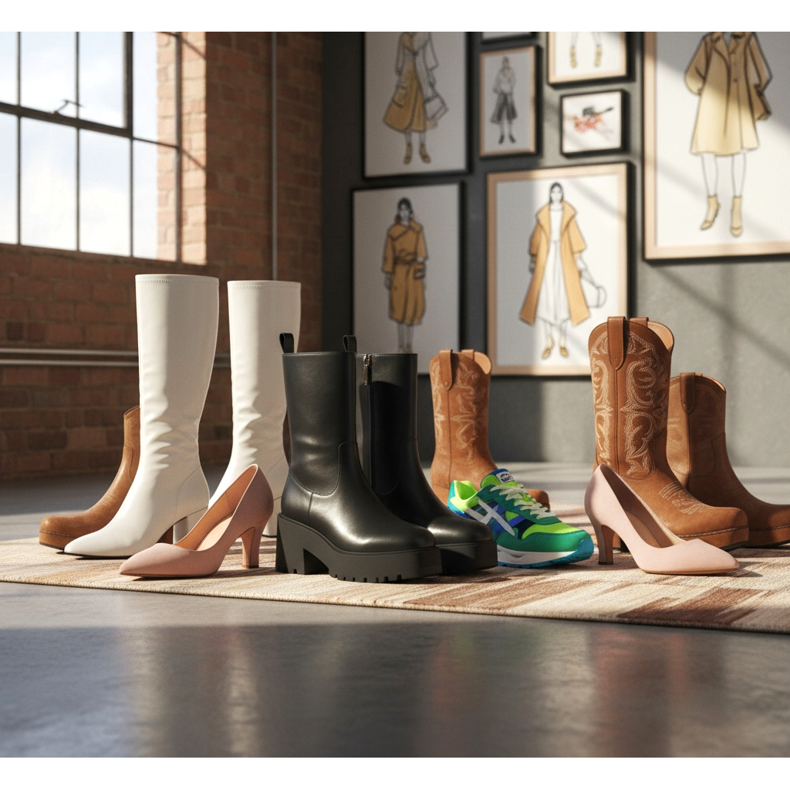
It is worth noting that each decade had its characteristic footwear models. The 1950s were kitten heels and elegant pumps, the 1960s brought over-the-knee boots and geometric forms, the 1970s were the era of platforms and cowboy boots, the 1980s became famous for neon colors and sports sneakers, and the 1990s gave us the iconic chunky boots and minimalist sandals. Each of these styles returns to the catwalks and streets from time to time.
The modern interpretation of retro is not about faithfully copying the past. Designers take the most interesting elements of past decades and combine them with modern materials, technologies and silhouettes. This makes vintage shoes more comfortable and functional than the originals, while retaining their distinctive charm.
1950s and 1960s - elegance without compromise
The era of Audrey Hepburn and Jackie Kennedy left an indelible mark on footwear fashion. The 1950s and 1960s were a time of absolute elegance, when shoes were refined in every detail. Today, these styles are coming back into favor, offering women the opportunity to recreate classic glamor in everyday styles.
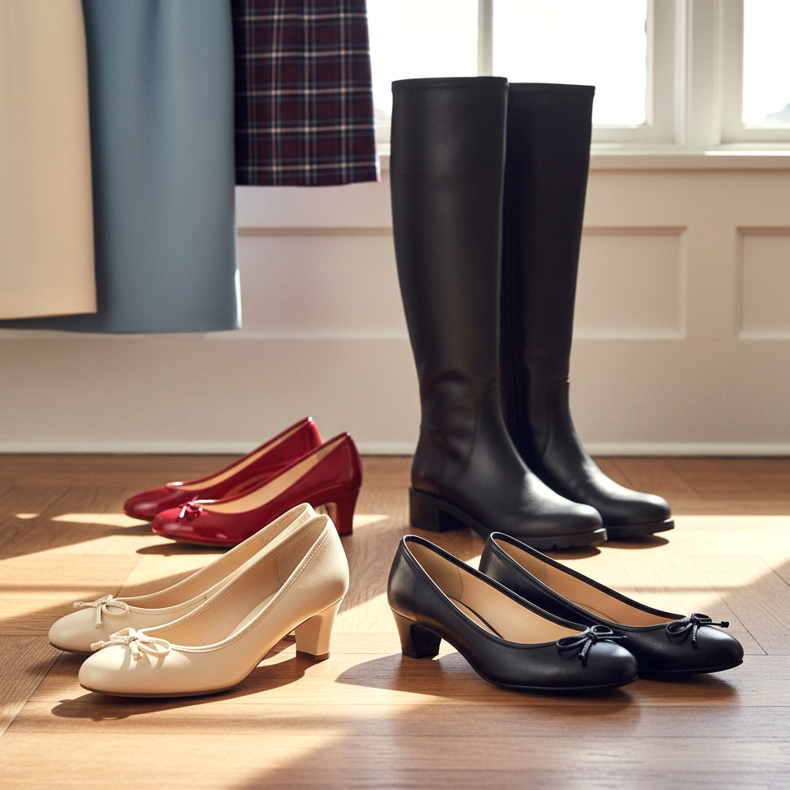
Kitten heels, i.e. low stilettos 3-5 centimeters high, are an absolute must-have for vintage lovers. This style combines the femininity of a high heel with the comfort of a low heel. Perfect for the office, business meetings and elegant dinners. Wear them with pencil skirts, simple dresses and elegant trousers.
Pumps with a rounded toe are another symbol of this era. Unlike modern pointed models, they offer more space for the fingers and are much more comfortable to wear. They look great in classic colors - black, nude and red - but designers also offer pastel shades and delicate patterns.
A characteristic element of footwear of the 1960s are over-the-knee boots in the go-go style. Although the original patent leather models may seem too bold for everyday wear, contemporary interpretations in matte materials and subdued colors are perfect for fall and winter. Wear them with mini skirts and dresses to recreate the swinging sixties vibe.
We cannot forget about flat ballet flats, which gained popularity in the 1950s. Inspired by the footwear of ballet dancers, they remain a symbol of effortless chic to this day. Contemporary models offer better support for the foot and more durable materials, while maintaining a classic silhouette.

1970s - bohemia and freedom
The decade of the 1970s was a time of experiments, freedom of self-expression and departure from rigid conventions. In footwear fashion, this has resulted in the creation of several iconic styles that regularly return to catwalks and city streets.
Platforms are undoubtedly a symbol of the 1970s. Thick soles appeared in all types of footwear - from sandals, through pumps, to boots. Contemporary platform fashion refers directly to this decade, offering models for both bold fashionistas and more conservative lovers of comfortable height.
Cowboy boots, i.e. boots inspired by the footwear of cowboys from the Wild West, also have their roots in the fashion of the 1970s. They are characterized by a pointed toe, slanted heel and decorative stitching. Wear them with bootcut jeans or long, flowing boho dresses for an authentic look of the era.
Espadrilles with a sole made of woven seagrass are a summer classic from the 1970s. Originally worn by Spanish fishermen, they have become a symbol of holiday nonchalance and hippie style. Modern models often have a platform and wedges, which adds femininity.
Flip-flops and sandals with wide straps are another element of the wardrobe inspired by the 1970s. Leather models in natural shades of brown go perfectly with linen clothes and safari-style styling. This unpretentious style fits perfectly into the current trend for naturalness and simplicity.

1980s and 1990s - the return of iconic models
The last decades of the 20th century are a real mine of inspiration for contemporary designers. Shoes from the 80s and 90s are coming back in style, and younger generations are discovering the charms their parents wore in their youth.
Chunky sneakers, also called ugly shoes, are a legacy of the 1990s. Massive, often multi-colored sports shoes have been experiencing a renaissance for several seasons and there is no indication that the trend will subside. Contemporary models are lighter and more comfortable than the originals, while maintaining the characteristic, exaggerated silhouette.
Boots and heavy combat boots are another must-have for retro lovers. Popularized by the punk and grunge subcultures in the 1980s and 1990s, they are today worn by women of all ages. They contrast perfectly with delicate dresses and skirts, creating interesting style combinations.
Minimalist sandals from the 90s are the opposite of massive sneakers - simple, flat, with thin straps. This style returned to the catwalks and streets, offering an elegant alternative to decorative footwear. Wear them with everything - from jeans to cocktail dresses.
Sports slide flip-flops, once worn only by the pool or beach, have become a full-fledged element of streetwear styling. Models with logos of sports brands are now worn with urban outfits, often in combination with socks - a trend that would have been considered a faux pas a few years ago.
High heels with a square toe and a thick heel are a return to the aesthetics of the late 90s. More comfortable than classic high heels, they offer stability and elegance in one. It's a perfect choice for the office and evenings out.

How to combine vintage with modernity
Wearing retro shoes doesn't mean you have to look like a character from a costume movie. The secret of successful styling is skillfully combining vintage elements with modern clothes and accessories.
The basic rule is: one expressive retro element per styling. If you're going for iconic '70s-style platforms, the rest of your outfit should be rather contemporary and subdued. Geometric boots from the 1960s? Pair them with a simple sweater and jeans instead of a mod dress.
A great way to introduce vintage into your wardrobe is the principle of contrast. Heavy boots from the 90s look fantastic with a delicate, feminine dress. Elegant kitten heels from the 1950s gain a modern twist when combined with skinny jeans and an oversize jacket.
Pay attention to proportions. Shoes with massive soles require an appropriate counterweight - loose trousers or flared skirts. Delicate, retro-style ballet flats look best with fitted styles that emphasize the feminine silhouette.
Colors also matter. Retro shoes in classic shades - black, brown, nude - are easier to integrate into a modern wardrobe. More bold, era-specific colors, such as the neon colors of the 1980s or the psychedelic patterns of the 1970s, require a simpler background.
Remember that the best vintage styles are created from genuine passion, not from slavish imitation. Choose pieces that you really like and fit your lifestyle. Retro fashion is supposed to be fun and an expression of individuality, not costumes.

Where to look for vintage shoes
Finding the perfect retro shoes doesn't have to mean scouring thrift stores. The modern market offers many options for lovers of classic styles.
Many renowned shoe brands regularly introduce collections inspired by the past. It is worth following the offers of both luxury fashion houses and premium brands, which often reinterpret classic models using modern materials and technologies.
Specialized vintage and second-hand shoe stores are a mine of real gems. If you're looking for authentic models from a specific decade, it's worth taking the time to search places like this. However, remember to carefully check the condition of the shoes - original models from years ago may require repair or renovation.
The Internet offers unlimited possibilities. Resale platforms, auctions and collecting groups are places where you can find both original vintage and contemporary reinterpretations of classic styles. However, it is worth buying from trusted sellers and reading product descriptions carefully.
Don't forget about local shoemakers and craftsmen. Some studios specialize in recreating classic styles to order, using traditional techniques and high-quality materials. This is a more expensive option, but it guarantees perfectly fitting shoes made according to your preferences.
Vintage style is not a passing trend, but a timeless approach to fashion. By investing in classic styles, you build a wardrobe that will serve you for years and will never go out of fashion. Because true elegance has no expiration date.