
Vegan shoes - fashionable footwear without animal leather
Vegan footwear is not only an ethical choice, but also a fashion one. Check what materials they are made of, what they look like and how to style them to look elegant and modern.

What are vegan shoes and why are they gaining popularity?
Vegan shoes are footwear made exclusively from materials that do not come from animals. This means giving up natural leather, suede, nubuck, patent leather or all elements made of fur and wool. Instead, manufacturers are turning to synthetic materials, plant materials and innovative alternatives that are increasingly difficult to distinguish from original leather materials.
The popularity of vegan shoes is growing every year - and for several reasons at once. Firstly, more and more consumers consciously choose products that are consistent with pro-ecological and ethical values. Secondly, manufacturers have significantly improved the quality of alternative materials, thanks to which vegan footwear is now as durable and aesthetic as traditional leather shoes. Thirdly, fashion houses such as Stella McCartney and Veja have been proving for years that a vegan lifestyle can go hand in hand with the highest fashion standards.
In Poland, the vegan footwear market is also developing dynamically. In online stores such as KeeShoes, you will find more and more products made of ecological materials at attractive prices.

What are vegan shoes made of - an overview of materials
The range of materials used in the production of vegan shoes is surprisingly wide. One of the most popular is ecological leather (eco-leather), i.e. polyurethane that imitates the texture and appearance of natural leather. Modern varieties of eco-leather are soft, breathable and dirt-resistant - much more than their predecessors from a few years ago.
Plant materials are also playing an increasingly important role. Pineapple leaf leather (Piñatex) is gaining recognition among designers around the world. Similarly, skin made from mycelium mycelium, cactus (Desserto brand) or grape skin (waste from winemaking) are examples of creative and sustainable solutions. These materials are not only friendly to animals, but also to the environment, because they are often based on agricultural waste.
Cotton canvas, recycled plastic mesh and natural hemp are often used to produce sports and casual shoes. These are light, airy solutions and perfect for the warm months. Important: when looking for vegan shoes, it is worth checking not only the upper material, but also the insole and sole - adhesives and finishes must be free from animal ingredients.

How to style vegan shoes - practical tips
One of the biggest advantages of vegan footwear is that it looks identical to traditional shoes, so we combine them according to the same styling rules. Eco-leather loafers go perfectly with elegant trousers and a jacket, creating a professional office look. Suede-like ankle boots made of eco-suede look phenomenal with midi dresses and trench coats.
Fashionable sneakers made of plant materials or recycled mesh are the perfect choice for jeans, tracksuits and summer dresses. White leatherless sneakers - minimalist, clean lines - go with virtually everything and are a true must-have for a modern wardrobe. For an ecological effect and a coherent look, it is worth combining them with clothes made of natural fabrics: linen, organic cotton or bamboo.
Elegant vegan pumps and high heels are becoming more and more popular for special occasions. Models made of shiny eco-leather or materials imitating snake skin are perfect for a wedding or an evening out. In 2026, ethical fashion meets aesthetics - and no compromises are necessary.
What should you pay attention to when buying vegan shoes?
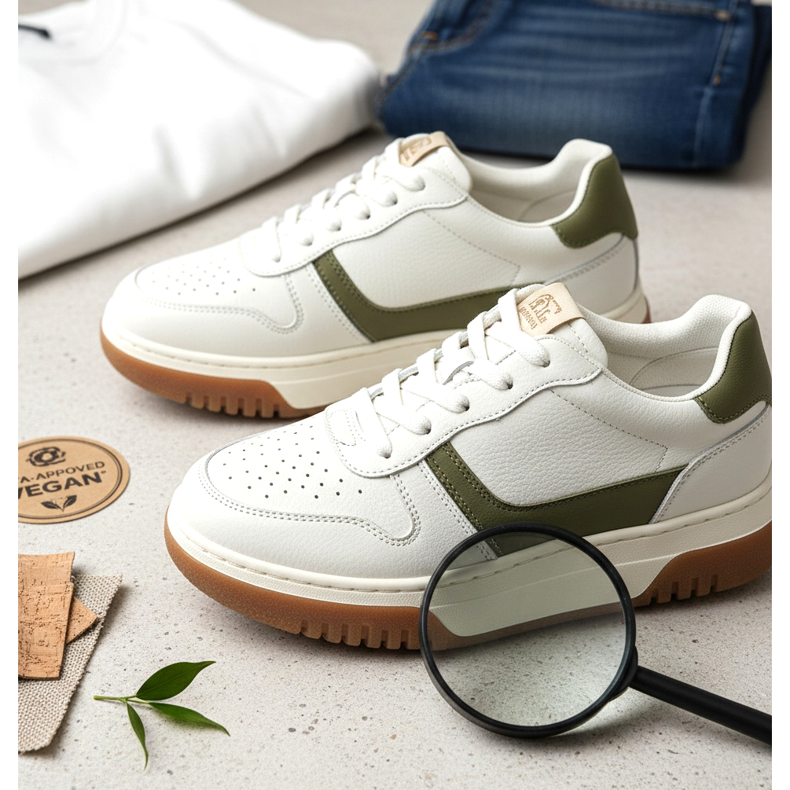
Buying vegan shoes requires a little more attention than choosing traditional leather shoes. First of all, it is worth checking the composition - the label should clearly inform about the materials used to produce the upper, lining, insole and sole. PETA-Approved Vegan certificates or similar markings are an additional guarantee.
Also pay attention to the quality of the finish - the seams should be even and the material should be securely glued to the sole. Low-quality eco-leather may crumble or peel off in layers over time, so it is worth investing in proven brands or buying from reputable shoe stores.
Caring for vegan shoes is usually simple: eco-leather is cleaned with a damp cloth, and material models can in many cases be washed in a washing machine on a delicate program. It is important to avoid aggressive chemicals and do not dry shoes directly in the sun or a radiator. Check out the offer of vegan shoes at KeeShoes and see that fashion without leather can be equally beautiful and durable.