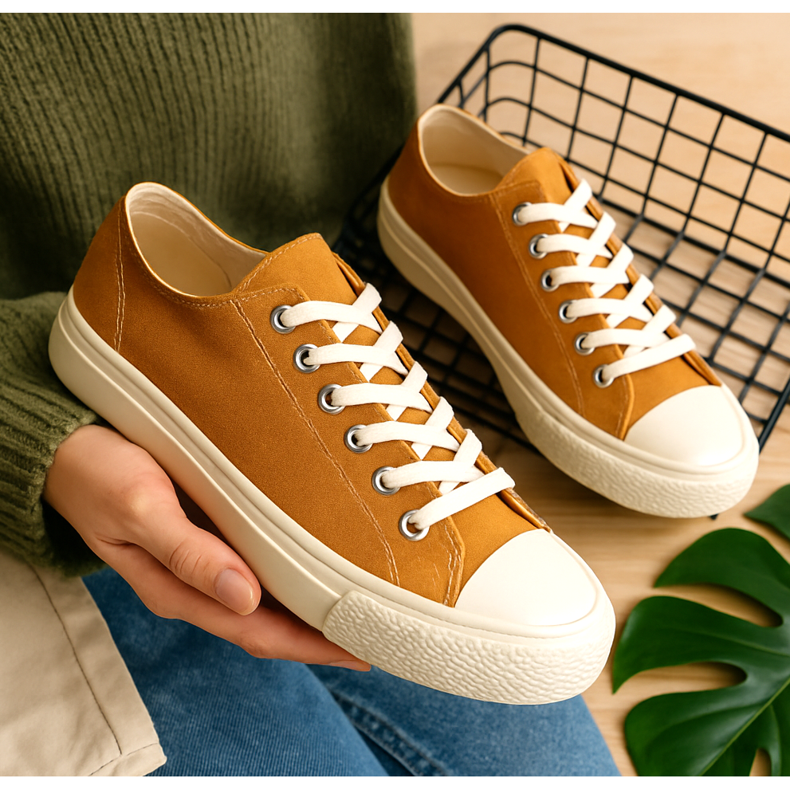
Vegan shoes - a complete guide to ethical and ecological footwear fashion
Vegan fashion is not only a trend, but a more and more life choice of more and more people. Did you know that you can wear stylish, comfortable and durable shoes without harming animals? Discover the world of vegan footwear - from innovative plant materials to the best brands. We present a complete guide to animal -friendly shoes and the environment.
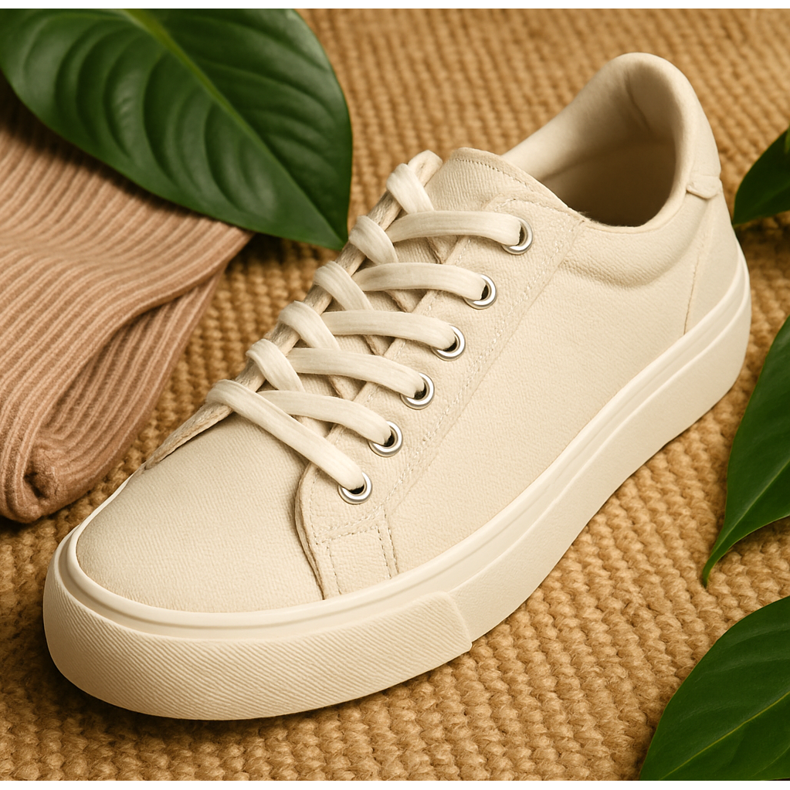
What are vegan shoes and why you should choose them
Vegan shoes are footwear manufactured without the use of any animal materials. This means no skin, suede, wool, silk, as well as adhesives containing animal substances. This is an ethical choice that does not mean a compromise in terms of style or quality. By choosing vegan shoes, you contribute to the protection of animals and the environment. Skin production is associated with huge water consumption, greenhouse gas emissions and the use of harmful chemicals. Vegan alternatives are often more ecological and ethical. Contemporary vegan shoes are not inferior to traditional in terms of durability, comfort or aesthetics. Innovative materials make them more and more functional and visually attractive.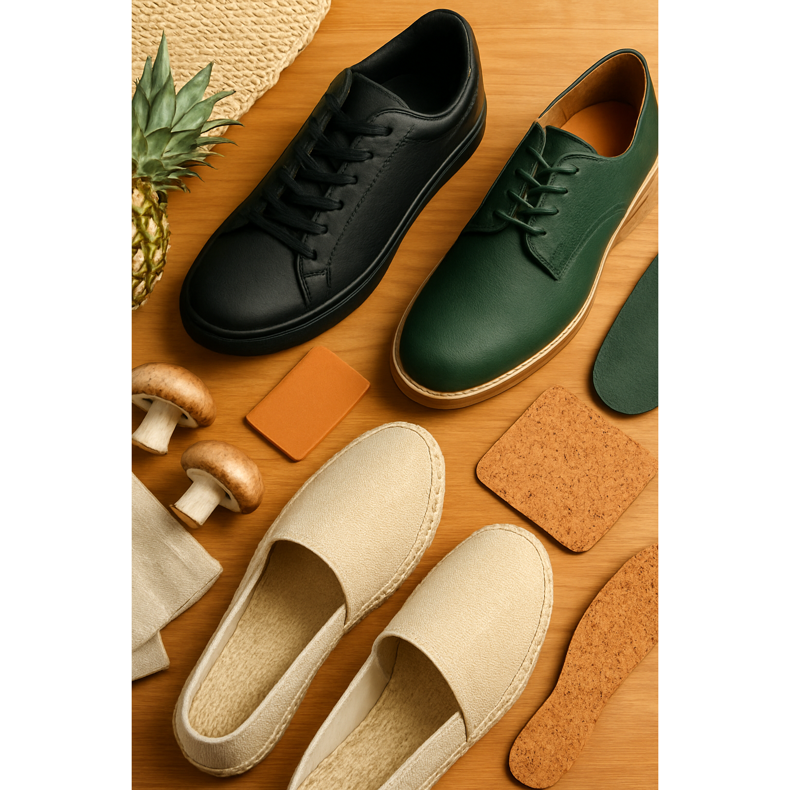
Innovative materials in vegan shoes
** pineapple skin (piñatex) **: pineapple leaves made of fibers, which are a by -product of crops. It is durable, breathable and waterproof. It looks like natural skin. ** skin from mushrooms (MyLO) **: made from mycelium, grows in controlled conditions. It is soft, flexible and biodegradable. Perfect for elegant shoes and sneakers. ** Cactus skin **: made of nopal (pounding), requires a minimum amount of water for cultivation. It is very durable and flexible. ** Natural rubber **: obtained from rubber trees, ideal for soles. It is flexible, waterproof and biodegradable. ** microfiber **: Synthetic high quality material, often used in sports shoes. It is light, durable and easy to care for. ** Len and hemp **: Natural vegetable fibers, breathable and durable. Perfect for summer shoes and espadrilles. ** cork **: obtained from a cork bark without harming a tree. Light, waterproof and anti -allergic.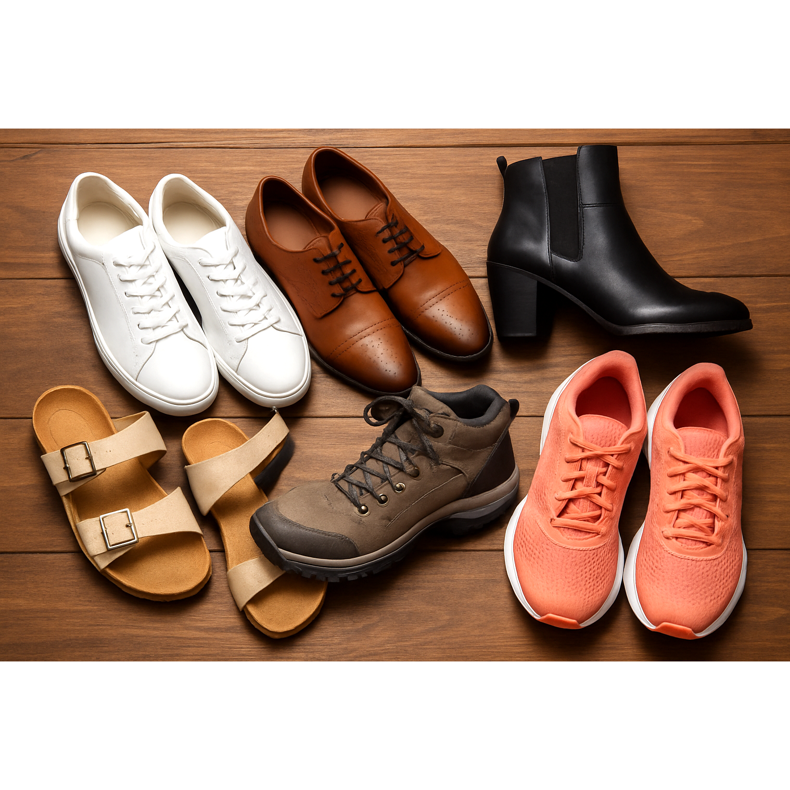
Types of vegan shoes for all occasions
** Vegan sneakers **: From classic white to colorful sports models. Brands like Veja, Stella McCartney or Reebok offer a wide selection. ** Elegant shoes **: oxfords, loafers and high heels made of plant materials or high quality synthetics. Perfect for the office and for formal occasions. ** boots and boots **: Winter models with synthetic insulation instead of filled. Waterproof and warm. ** Sandals and flip flops **: Summer rubber models, cork or recycled materials. Comfortable and airy. ** trekking shoes **: Technical models for hiking with waterproof synthetic membranes. They offer great grip and endurance. ** Sports shoes **: for running, fitness or other activities. Light, breathable and supporting foot.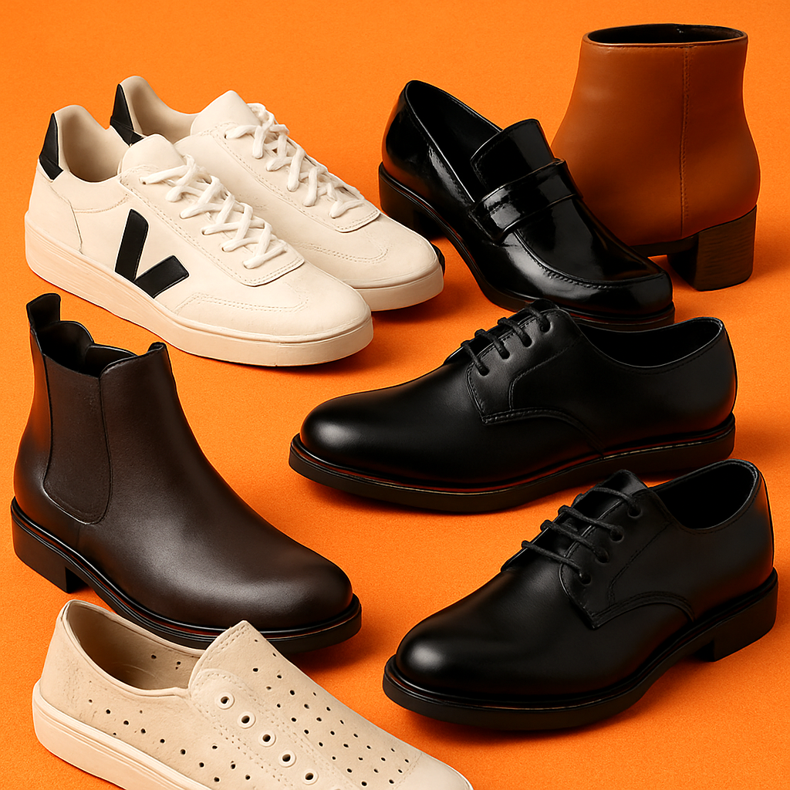
The best brands of vegan shoes
** Veja **: French brand famous for ethical production and use of ecological materials. Iconic natural rubber sneakers. ** Stella McCartney **: A luxurious brand offering elegant shoes without animal materials. Pioneer in vegan fashion. ** Matt & Nat **: Canadian brand specializing in vegan accessories. A wide selection of shoes for every occasion. ** Bourgeois Boheme **: British brand offering elegant shoes from innovative plant materials. ** Will's Vegan Store **: A wide range of vegan shoes - from elegant to sports. Available. ** Native Shoes **: Canadian brand producing light, waterproof recycled materials. ** Ahimsa **: Brazilian brand offering handmade vegan shoes. Ethical production and high quality.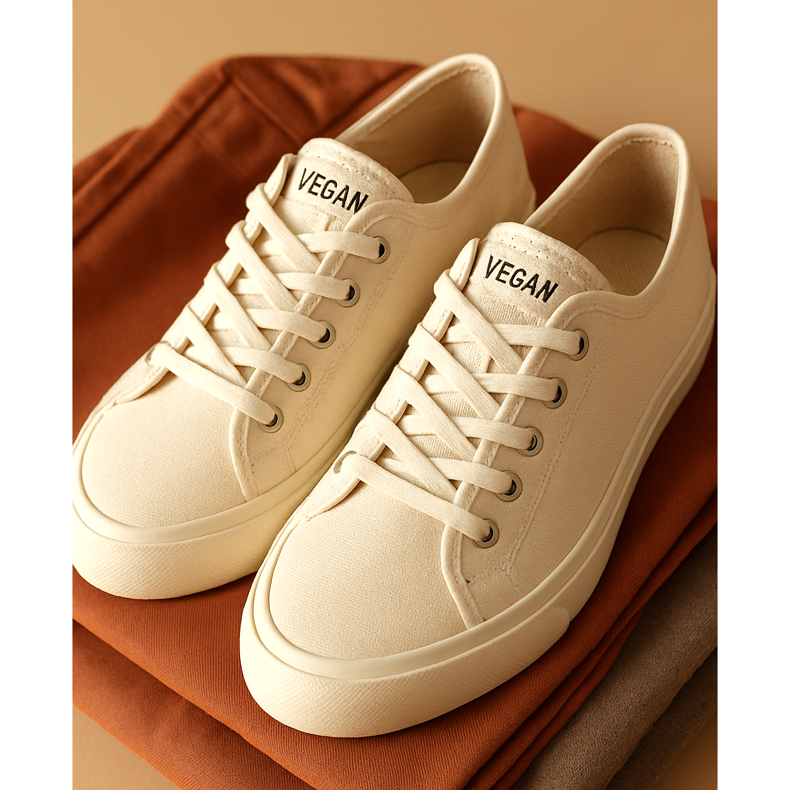
How to recognize truly vegan shoes
** Check labels **: Look for "vegan", "cruelty-free" or "animal-free" markings. Many brands have PETA -approoved Vegan certificates. ** Read the composition **: Avoid skin, suede, nubuck, wool, silk, woolen felt. Pay attention to adhesives - they can contain casein (milk protein). ** Ask the manufacturer **: In case of doubt, contact the brand. Responsible companies will be happy to provide information. ** Check the inserts and lining **: often overlooked, but can be made of leather. Look for synthetic or plant alternatives. ** Watch out for "eco-leather" **: This term often means natural skin tanned with ecological methods, not vegan material. ** Certificates **: Search for Vegan Society, PETA or other vegan organizations.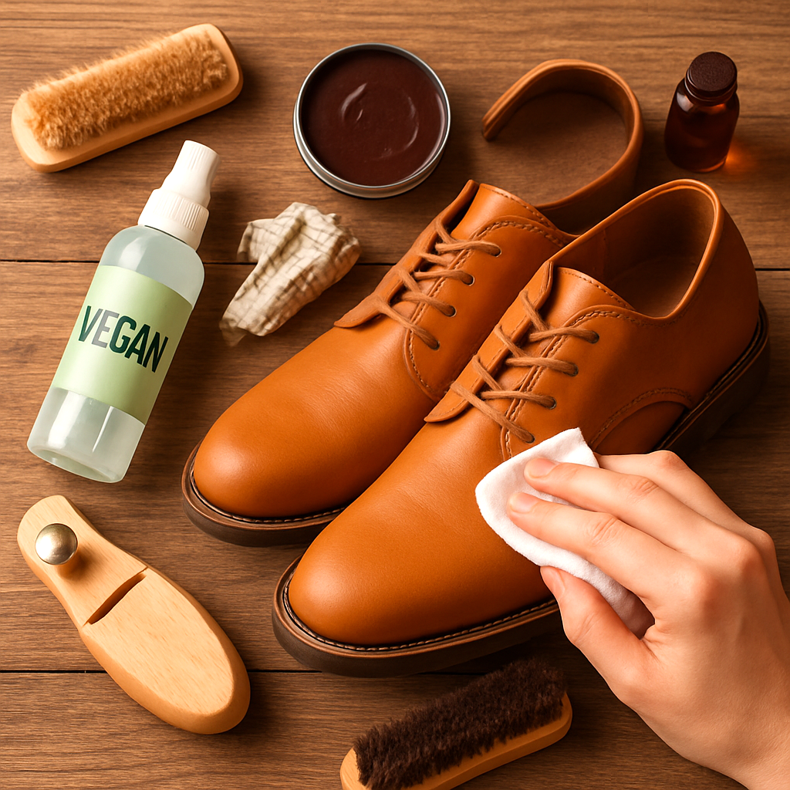
Care for vegan shoes
** Cleaning **: Most vegan shoes can be cleaned with a damp cloth with a delicate soap. Avoid aggressive detergents. ** impregnation **: Use impregnants without beeswax or lanolin. Vegan protective sprays are available. ** Drying **: Always dry at room temperature, away from direct heat sources. Stuff with newspaper paper. ** storage **: Use the rules or push with paper. Store in a dry, ventilated place. ** Repair **: Many vegan shoes can be repaired in the same way as traditional. The shoemaker does not have to use animal materials. ** Refresh **: Use special vegan creams and pastes for synthetic materials. For plant materials - natural oils.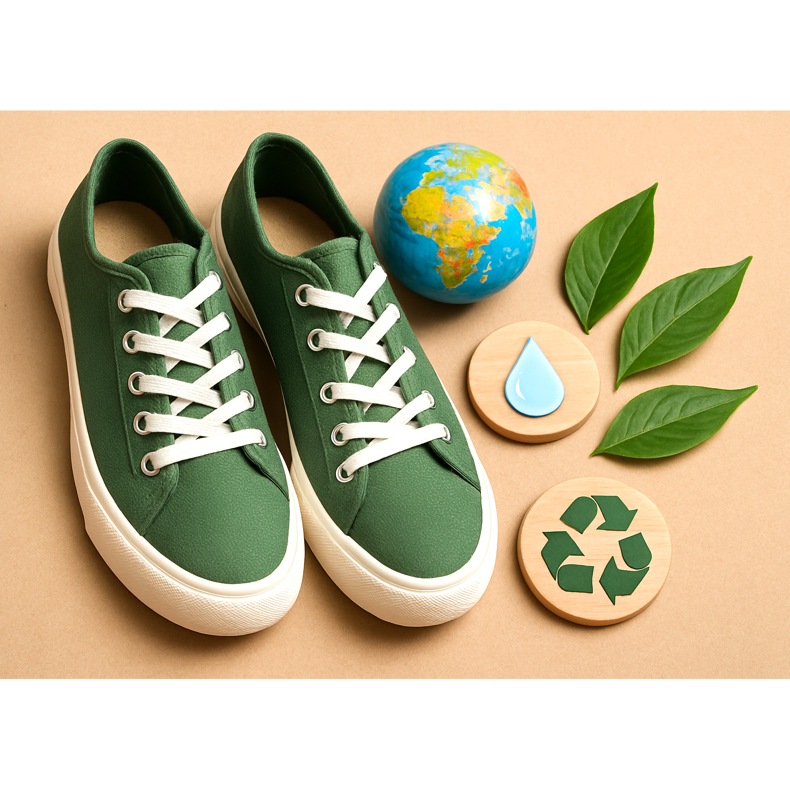
The impact of vegan shoes on the environment
The production of vegan shoes has a much smaller carbon trace than traditional. Natural leather requires animal breeding, which generates 14.5% of global greenhouse gas emissions. ** Water consumption **: The production of a pair of leather shoes consumes about 8,000 liters of water. Plant alternatives require much less. ** Chemicals **: Tanning of the skin requires toxic chemicals, including chromium. Vegan materials are often produced without harmful substances. ** Biodegradability **: Many vegan materials (cork, natural rubber, plant fibers) are biodegradable. ** Recycling **: Synthetic shoes are easier to recycled than leather. ** Local production **: Many vegan brands focus on local production, reducing transport emissions.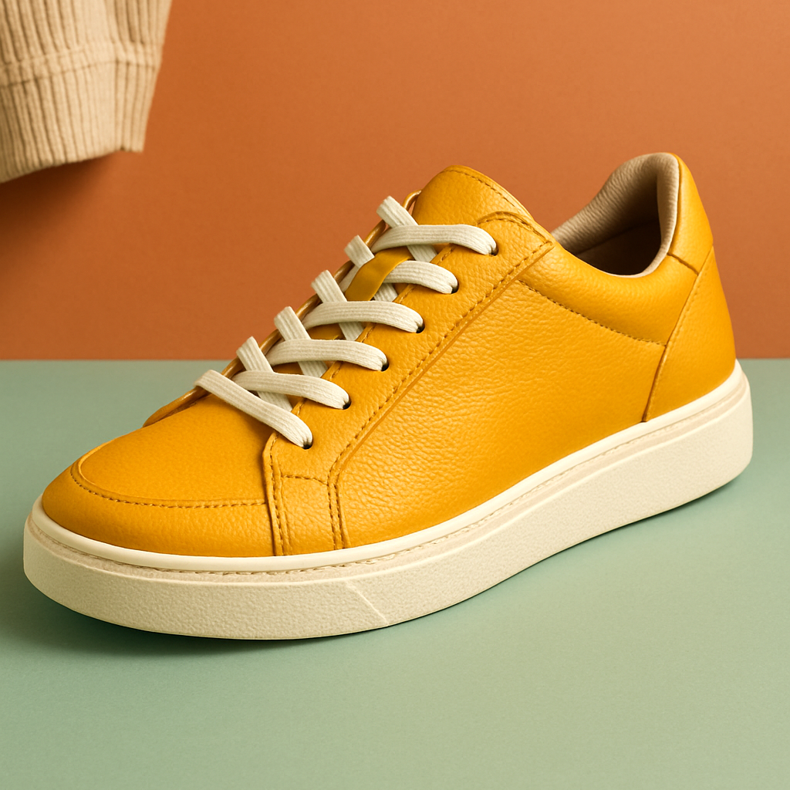
Myths and facts about vegan shoes
** MIT **: Vegan shoes are less durable. ** Fact **: High -quality vegan shoes are as durable as leather. The quality of workmanship is key. ** MIT **: Vegan shoes do not breathe. ** Fact **: Modern materials (piñatex, microfiber) are breathable. Natural plant fibers provide great ventilation. ** MIT **: Vegan shoes are expensive. ** Fact **: Available in each price category, from budget to luxurious. ** MIT **: Vegan shoes look cheap. ** Fact **: Modern materials perfectly imitate the skin or have their own unique aesthetics. ** MIT **: Plastic in vegan shoes is worse than skin. ** Fact **: The total carbon trace of synthetics is often smaller than the skin. The growing number of brands uses recycled materials.