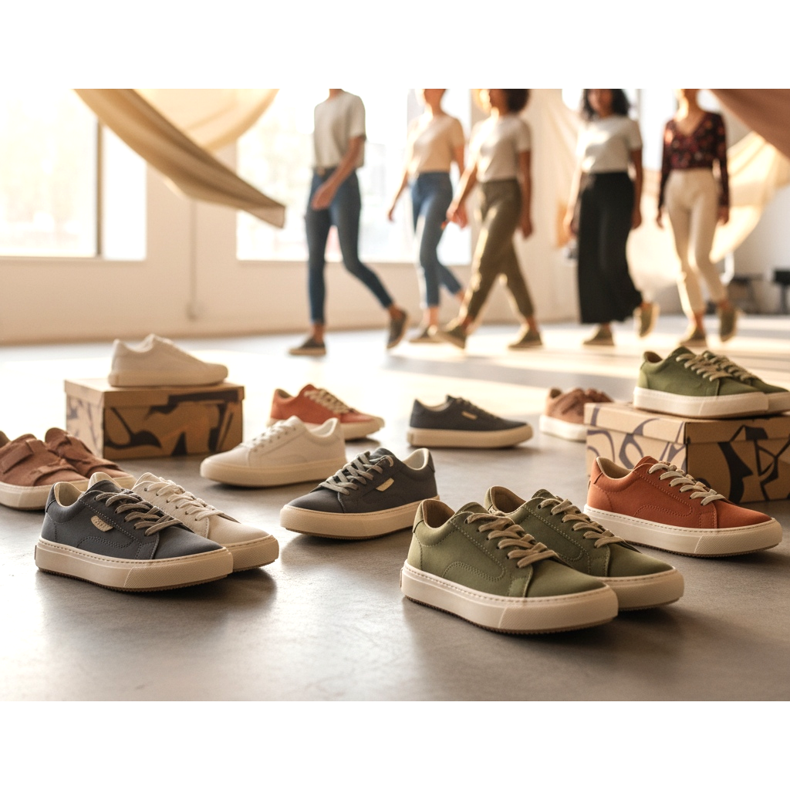
Unisex shoes – a fashion revolution or a temporary trend for 2025?
Unisex shoes are changing the fashion landscape. Discover the history of this trend, its current status in the market and what the future holds for gender-neutral footwear.
1. Introduction: unisex is no longer a subculture
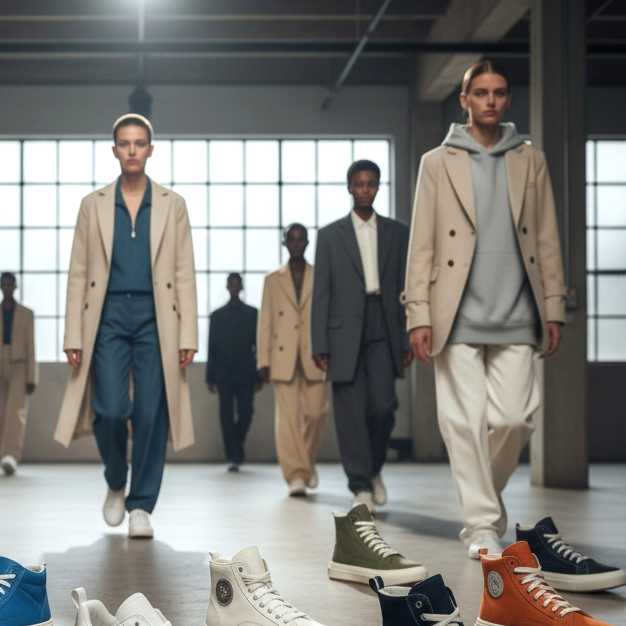
Unisex fashion is not a new phenomenon, but its popularity has exploded in recent years, especially in the world of footwear. Are unisex shoes just a passing trend, or is it a real fashion revolution that is changing the way we think about style and gender? More and more brands design and sell shoes "for everyone", and younger generations are eager to adopt gender-neutral trends. In this article, we explore the unisex shoe phenomenon, its history, current market status, and emerging future.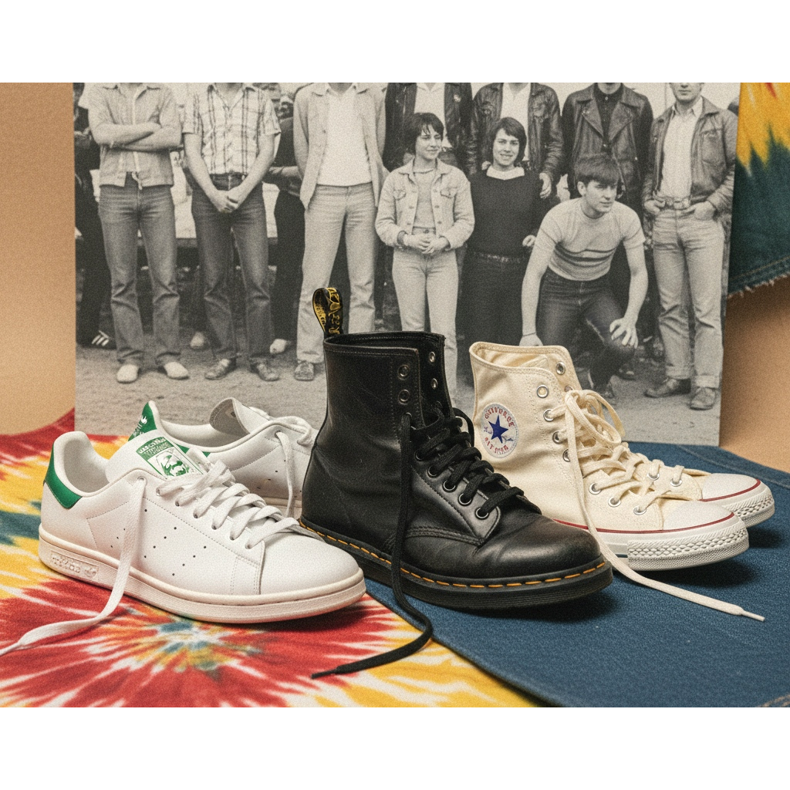
2. History: Unisex has always been there, but in the shadows
The concept of unisex shoes has deep roots. If we go back to the 1960s and 1970s, unisex was already there - hippies, punks and many subcultures wore shoes that were not categorized as strictly masculine or feminine. Adidas sneakers, Dr. Dr. Martens or classic Chuck Taylors have always been worn by all genders. However, mainstream fashion has always separated shoes for men and women, assigning women higher heels, more ornate shapes and men more minimalist, chunky designs. Today, this line is no longer so clearly drawn.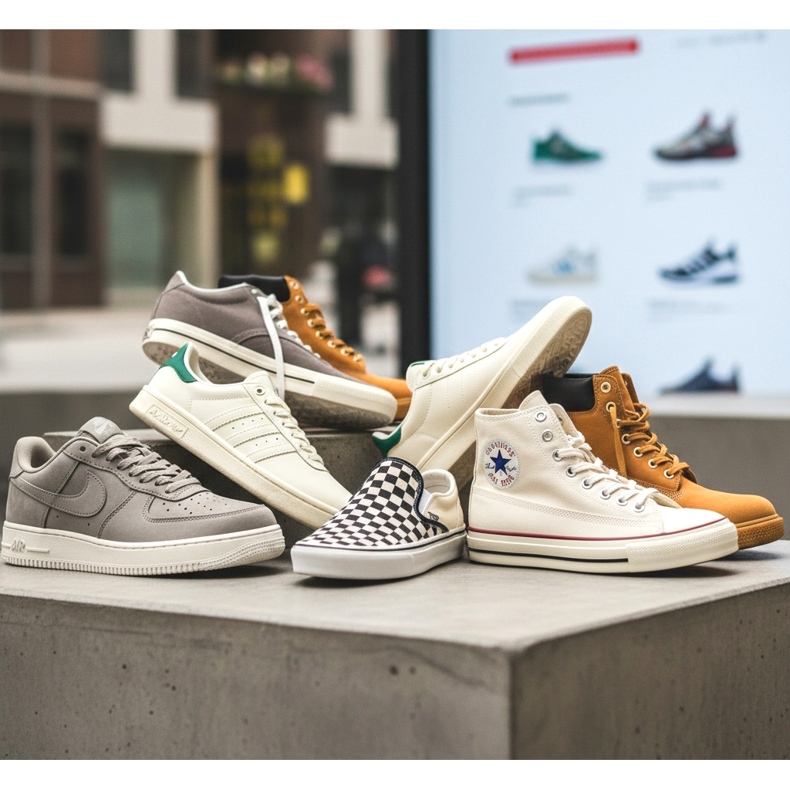
3. Current status: mainstream is not up for debate
Today, in 2025, unisex shoes are no longer a niche - they are part of the mainstream. Brands such as Nike, Adidas, Vans, Converse and Timberland have entire "genderless" or "gender-neutral" lines. Generation Z and younger millennials don't see a problem in wearing "second section shoes" - if they like the design and feel good, they buy them, regardless of the shelf they are found on. E-commerce further strengthens this trend because you don't have to go through the potential embarrassment of buying (or imagining buying) second-class shoes.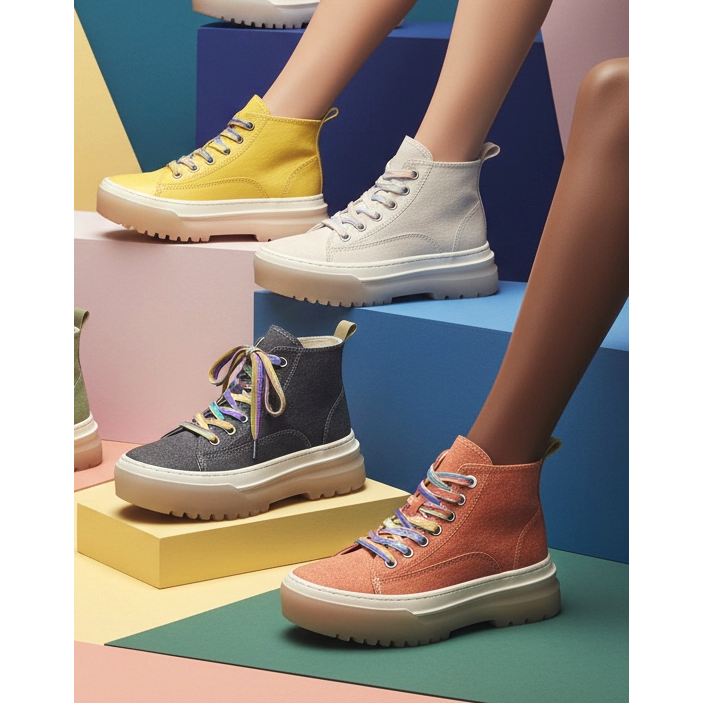
4. Inclusivity: It's not just about fashion
One of the main advantages of unisex shoes is that they can be worn by anyone - regardless of gender, identity or preference. For non-binary or genderfluid people, unisex shoes are a huge relief. They no longer have to compromise between their style and what society considers "appropriate" for their gender. For others, it's simply practical - well-made shoes can be worn and fitted in many ways. Diversity and inclusion are not accidental values in today's fashion, and unisex shoes are an expression of these values.
5. Business point of view: logistics is changing the game
From a business standpoint, unisex shoes are a game changer for manufacturers. They can create fewer sizes - instead of having separate lines for men and women, they can have one line that covers the full spectrum of sizes. This reduces production and storage costs while expanding the potential market. Customers can find exactly what they are looking for, regardless of gender category. It is economically effective and environmentally friendly - less waste, fewer return shipments.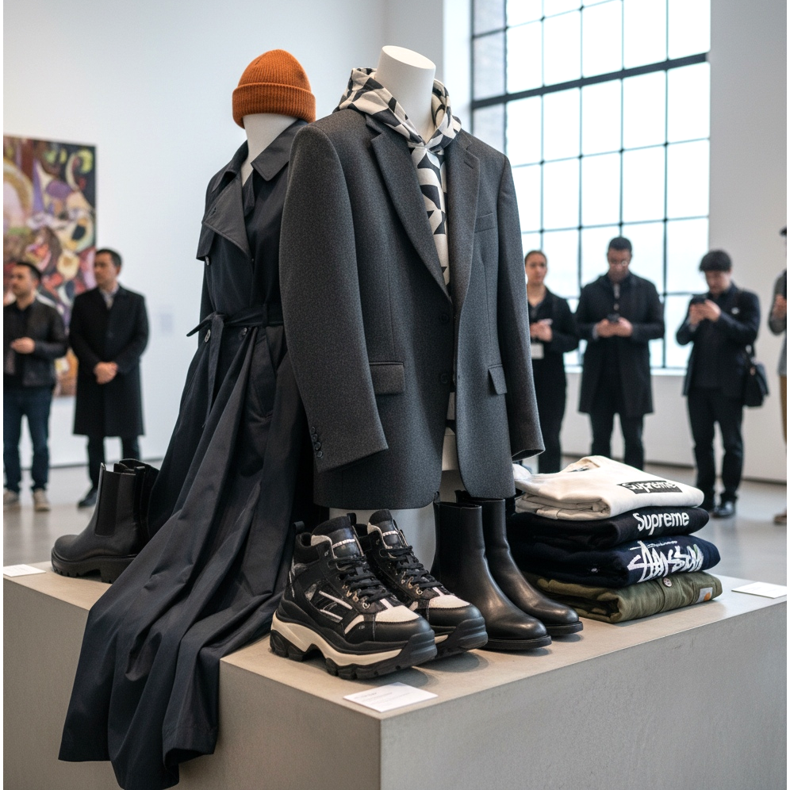
6. High fashion will mix borders
Many premium and high-end design brands have already moved to a unisex approach. Rick Owens, Jil Sander, Raf Simons and Alexander McQueen - all these designers either work largely on a unisex line or have completely abandoned the gender divide. In streetwear, the trend is even more pronounced. Brands like Supreme, Stüssy and Carhartt WIP have always had a large crossover audience and instead of waiting for a natural trend, they simply started designing without gender cues.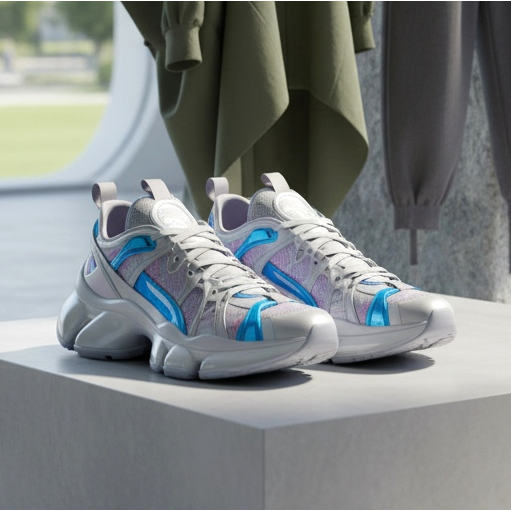
7. The future: trend or revolution?
Are unisex shoes a long-term trend or a temporary fad? Fashion experts are divided. Some say this is a fundamental shift in fashion that will only get stronger. Others point out that fashion will always have gender elements, but will become more flexible and open. The reality is likely to be somewhere in between - unisex shoes will become more common and accepted, but will not completely replace traditional categories. There is room for both.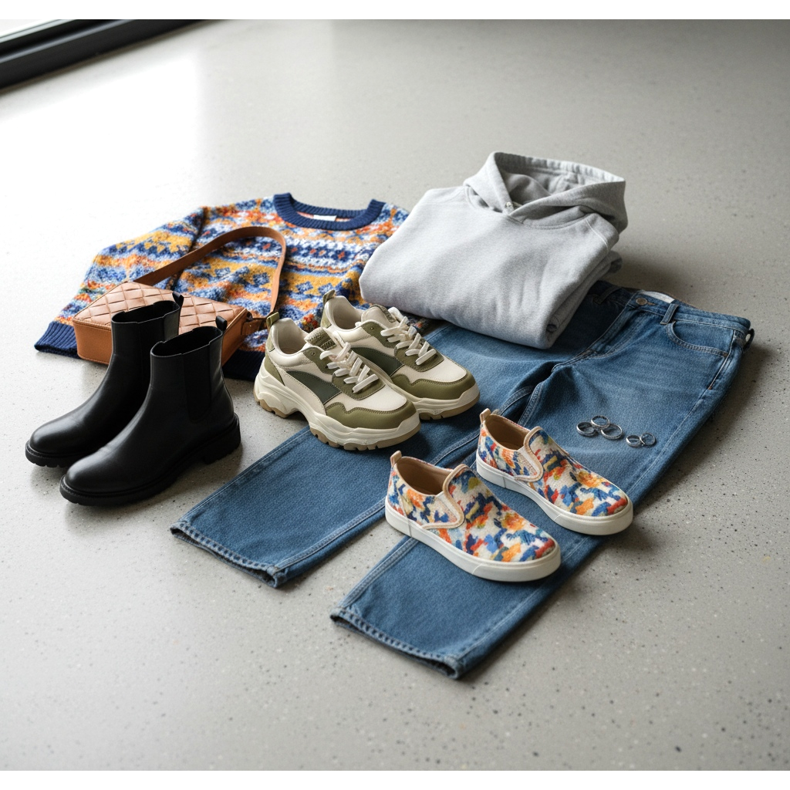
8. Practical tips: how to love unisex
If you want to get dirty into the world of unisex shoes, here are some tips. First, remember that the sizes may be different than what you're used to - it may be smaller or larger depending on the brand. Secondly, experiment with styling - unisex does not mean boring. Third, remember your personal style - choose shoes that you feel are authentic to you, regardless of their purpose.