
Travel shoes – how to pack wisely and comfortably
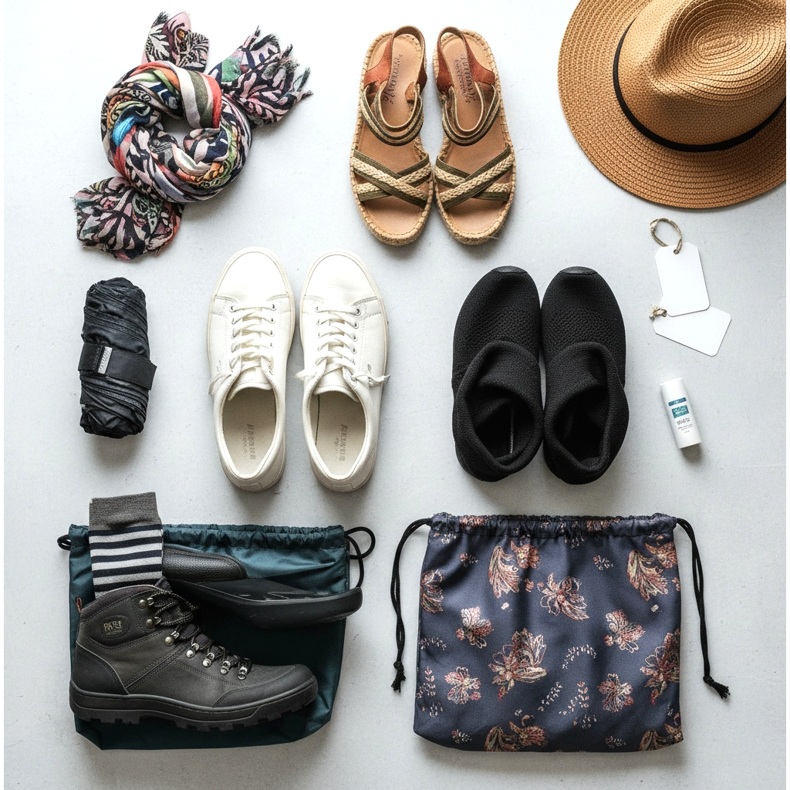
Planning shoes for a trip is an art of compromise between comfort, style and space in the suitcase. Find out how many pairs you really need, which models are the most universal and how to pack shoes so that they take up as little space as possible.

Planning footwear for a trip – where to start?
Packing shoes for a trip is a challenge that everyone faces. On the one hand, we want to be prepared for every occasion, on the other hand, shoes take up a lot of space and are heavy. The key to success is thoughtful planning and conscious selection of models that will work in many situations.
Before you start packing, answer a few questions. Where are you going and what is the climate like there? What activities are you planning? Will there be occasions requiring elegant shoes? How long does the trip last? The answers to these questions will help you create a list of necessary footwear.
The general rule is that 2-3 pairs of shoes are enough for a week-long trip. This may not seem like much, but with the right selection you will cover all your needs. For longer trips, you can add one extra pair, but avoid going beyond four - it's an unnecessary burden.
Rule number one: wear your heaviest, bulkiest shoes at the airport. This way you will save space in your luggage and avoid extra weight. Even if they are boots or heavy boots, it's better to have them on your feet than in your suitcase.
Think about coordinating with your wardrobe. If you're packing clothes in a specific color palette, your shoes should match it. One pair of neutral shoes that goes with everything is worth more than three pairs in specific colors.
Universal shoes for every journey
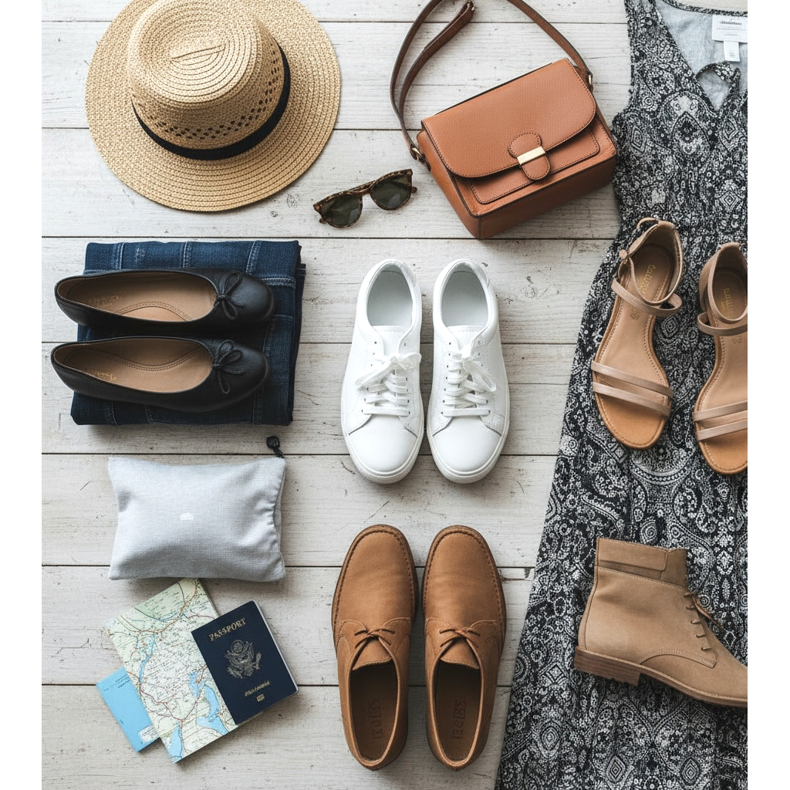
Some shoe styles are made for traveling. They are comfortable for long days of sightseeing, look decent in a restaurant and don't take up half a suitcase. Here are our picks.
Classic sneakers in a neutral color are essential. White, gray or black, minimalist in design, perfect for all-day sightseeing or for dinner at a casual restaurant. They are light, do not require undressing and match jeans, dresses and shorts.
Folding ballerina shoes are the secret of many travelers. They take up minimal space, weigh practically nothing, and offer elegance that sneakers cannot provide. Perfect as a spare pair for evenings out or situations requiring more formal attire.
Moccasins and loafers are a compromise between comfort and elegance. Leather models in brown or black will be perfect for both a walk around the city and a business meeting. They are comfortable without socks in the summer and with thin socks on colder days.
Sandals with ankle straps are a must-have for summer trips. Choose a model in a neutral color that goes with both a poolside bikini and a dinner dress. Avoid flip-flops as the only summer footwear - they are not universal enough.
For men, desert boots are a strong player. Light, comfortable, they look good with jeans and chinos. You can go from visiting museums to an evening dinner in one pair.
Shoes by travel type
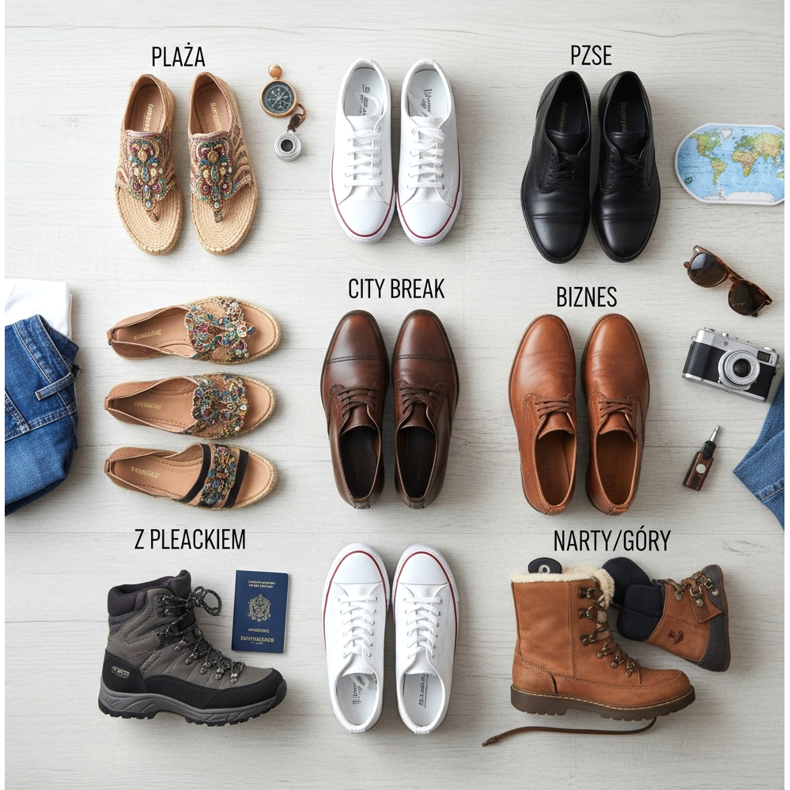
Different types of trips require different footwear. Here are tips for the most popular types of travel.
Beach holidays require a minimum of footwear. All you need is a pair of comfortable sandals for the beach and the surrounding area, one pair of more elegant shoes for evenings (ballet flats, espadrilles, loafers) and possibly sneakers if you are planning trips. Flip-flops are OK for the beach, but not for the entire trip.
City break means sightseeing, sightseeing and more sightseeing. Comfort is the priority. Comfortable walking shoes will be the basis - sneakers or well-broken moccasins. Add one more elegant pair for evenings and theaters. If it's a winter trip, choose warm boots instead of sneakers.
A business trip requires elegance, but also practicality. Pack classic dress shoes, comfortable shoes for commuting and free time, and if you plan to have dinners or events, a third, more formal pair may come in handy.
Traveling with a backpack is minimalism to the extreme. One pair of sturdy walking shoes or comfortable sneakers plus light sandals or flip-flops for evenings and a shower at the hostel. You don't really need more.
A ski or mountain trip is a specific situation. Ski or trekking shoes are necessary and, unfortunately, large. Add one pair of comfortable shoes for evenings - warm loafers or ankle boots will work great.
How to pack shoes – practical tricks
Packing your shoes properly can save a surprising amount of space in your suitcase. Here are proven techniques.
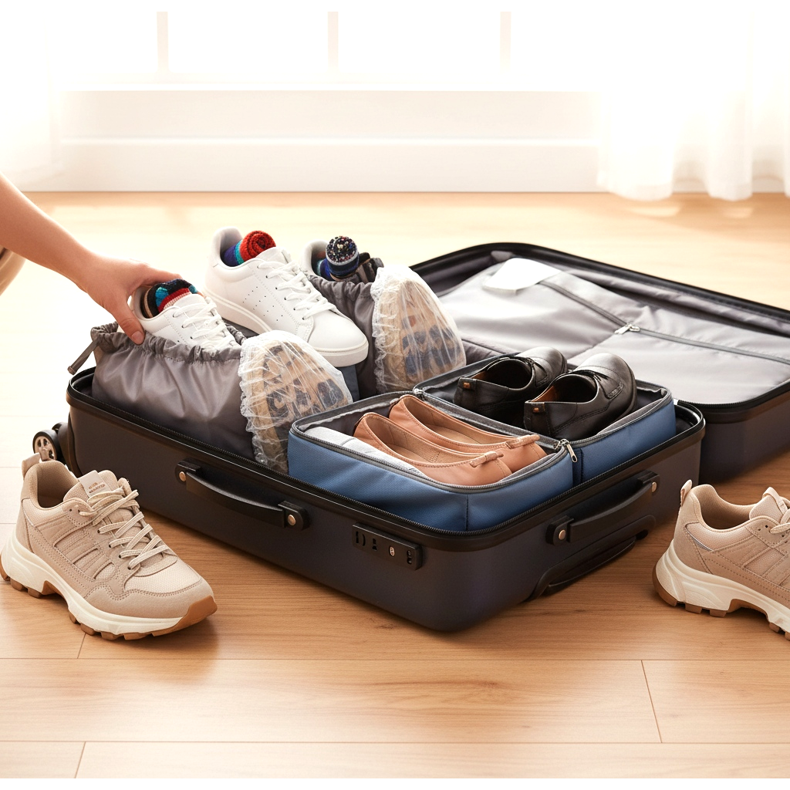
Use shoe bags. They protect the rest of your luggage from getting dirty and keep everything tidy. You can use dedicated bags or regular plastic bags. Some people also use shower caps - they cover the sole well.
Fill your shoes with small things. Socks, underwear, small accessories - all this can be stuffed inside the shoes. This saves space twice: you use the empty space inside the shoe and at the same time help it keep its shape.
Pack your shoes along the side of your suitcase. Arranged along wheels or hinges, with the soles facing outwards, they take up less space and stabilize the luggage. Avoid stacking them on top - it's a waste of space.
Put pairs of shoes together with the soles facing each other. One foot with the sole up, the other down - they take up less space than both in the same position. This is a simple trick that really works.
Consider packing cubes for shoes. These are special organizers that compress footwear and protect against deformation. Particularly useful when packing delicate, soft leather shoes.
If you fly with hand luggage, wear your heaviest shoes. This not only saves weight, but also speeds up the security check - it's easier to take off sneakers than lace-up boots.
Shoe care while traveling
Shoes work harder when traveling than on a daily basis. Long walks, different surfaces, changing weather conditions - all this means that they require additional care.
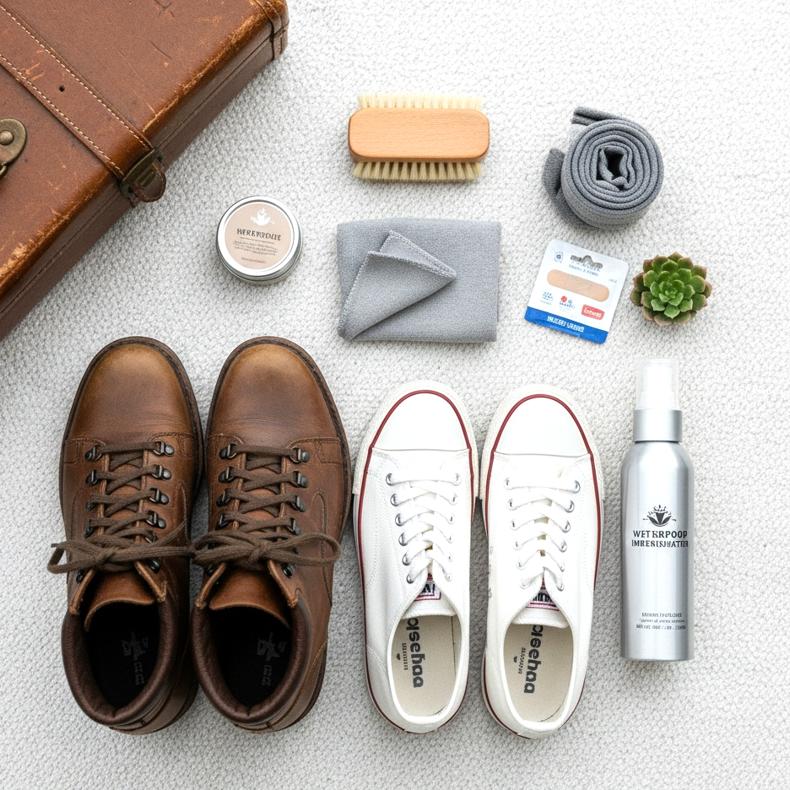
Take a basic grooming kit. A small tube of shoe cream, a compact brush and a microfiber cloth will not take up much space and will keep your shoes in good shape. Especially important if you are packing leather shoes.
Waterproof your shoes before leaving. The impregnating spray protects against water and dirt - especially important in unpredictable weather. Do it a few days before your departure so that the preparation can penetrate well.
Air your shoes every day. After wearing them all day, leave them in a ventilated place overnight. If they get wet, fill them with paper to absorb the moisture and let them dry naturally. Never dry your shoes on a radiator or in direct sunlight.
Rotate shoes if possible. Wearing the same pair every day for a week is tiring for both your feet and shoes. If you have two pairs to wear, change them every day.
Have blister patches on hand. Even the most comfortable shoes can chafe when walking intensively. Prevention is better than cure - plasters applied prophylactically to places exposed to abrasions can save your trip.
Common mistakes and how to avoid them
Finally, a list of common mistakes made when packing shoes for travel and how to avoid them.
Packing new, unworn shoes. This is a recipe for blisters and a ruined trip. Any pair you plan to take with you should be warmed up in advance. Wear them around the house, for short walks - gradually increasing the time.
Taking shoes "just in case". High heels for a beach holiday? Elegant boots for trekking? If likelihood of use is low, leave at home. Each unnecessary pair is a kilogram more to carry.
Shoes not matching the activity. Sandals for the pavement of the Old Town? High heels for a day of museum visits? Be realistic about what you will do and how long you will walk.
Ignoring weather forecasts. Check the weather before leaving and adjust your footwear. Nobody wants to get wet in see-through sneakers or sweat in insulated ankle boots.
Packing only one pair. Even for a short weekend, it's worth having a spare pair. Shoes can get wet, rub, and sometimes you just want a change of style for the evening.
No protection when packing. Shoes without bags or covers dirty clothes and may get damaged. A few minutes spent on proper packing will save you from later problems.
Remember that good shoe organization is the basis for a successful trip. Plan ahead, pack wisely and enjoy every step of your adventure!