
Sports shoes for various disciplines - a practical selection guide
Each sport requires a different type of footwear. From football cleats to climbing shoes - the right selection of sports shoes affects safety, comfort and training results. Find out what footwear to choose for your favorite physical activity.
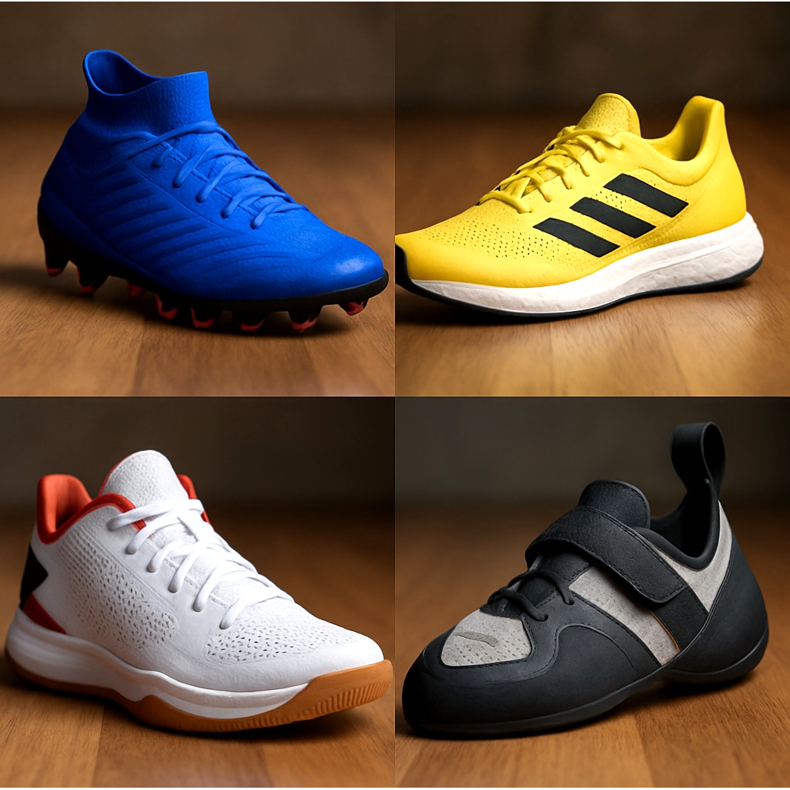
Why do sports shoes have to be matched to the discipline?
Choosing the right sports footwear is not only a matter of aesthetics or branding. This is a fundamental decision affecting the safety, comfort and effectiveness of training. Each sport discipline puts different demands on the feet - from dynamic turns in tennis to long-distance running or jumping in basketball.
Universal sports shoes may seem like a comfortable solution, but they will not provide optimal support for specific movements specific to a given discipline. If you play football in running shoes, you risk spraining your ankle, and if you run in squash shoes, you will overload your joints and quickly feel discomfort.
Properly matching footwear to the type of physical activity is an investment in the health of your feet, knees and the entire musculoskeletal system. It is also a way to improve sports performance and enjoy training more. In this guide, we'll discuss what shoes to choose for the most popular sports.
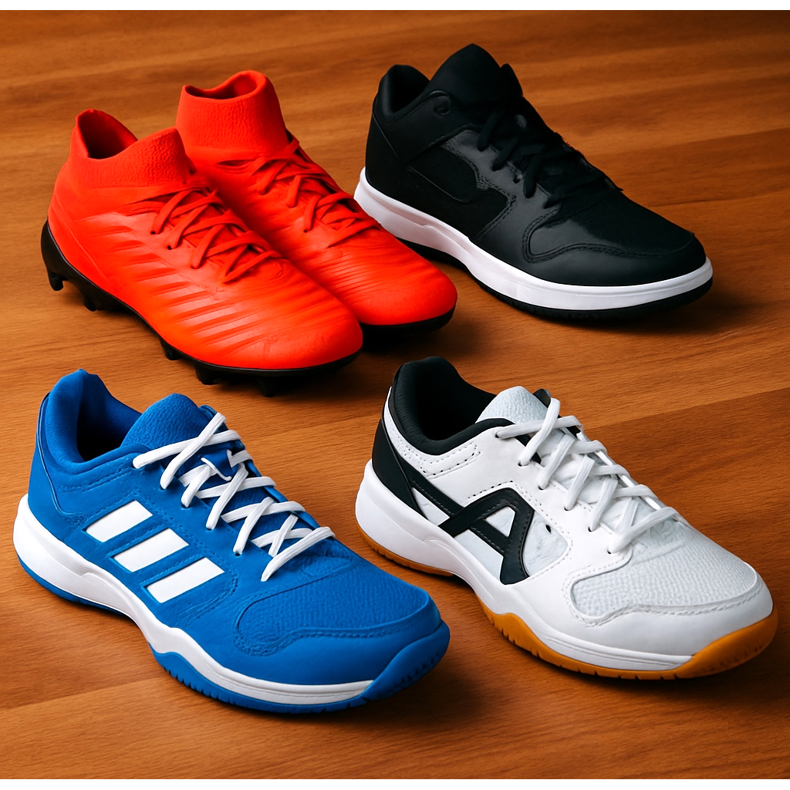
Shoes for team and racket sports
Soccer shoes
Cleats are essential for every footballer. Equipped with lugs on the sole, they provide traction on natural or artificial turf. There are different types of stoppers - from classic screw-in ones to fixed protrusions. For sports halls, choose indoor shoes with a flat, rubber sole that ensures control on a smooth surface. A well-fitting upper protects your acceleration and feet during shots.
Basketball shoes
A high upper is the hallmark of basketball shoes. Stabilizes the ankle during jumps and sudden changes of direction. The thick, shock-absorbing sole absorbs shocks when landing after jumps. Look for models with good adhesion to the parquet and reinforcements in the areas most exposed to abrasion. Basketball shoes are heavier than those for other sports, but they provide the necessary support.
Tennis shoes
Tennis footwear must be durable and stable. Side reinforcements protect the feet during dynamic sideways movements typical of tennis. The front part of the shoe should be reinforced because it is the place most exposed to abrasion during braking. Choose shoes adapted to the type of court - some will work on clay, others on hard surfaces, and still others on grass.
Volleyball shoes
Lightness and cushioning are the key features of volleyball shoes. The rubber sole with an anti-slip system ensures stability on the court during jumps and attacks. Reinforcements around the fingers protect against injuries when blocking. Models with gel technology in the heel that absorb impacts upon landing work well.
Squash and badminton shoes
These disciplines require lightweight shoes with excellent traction for lightning-fast changes of direction. The low upper ensures freedom of movement, and the flat sole provides stability during dynamic movements. Cushioning in the forefoot is crucial because this is where most of the pressure is concentrated during play.
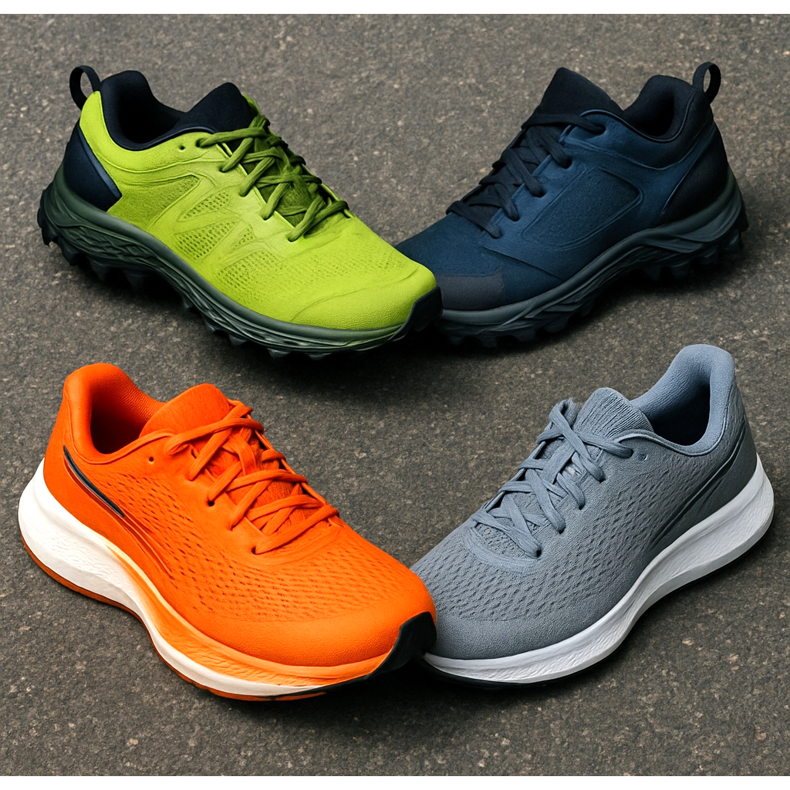
Shoes for running and endurance sports
Long-distance running shoes
Marathon runners need shoes with maximum cushioning to protect their joints from long hours of stress. The lightweight design reduces fatigue, and breathable materials prevent your feet from overheating. The cushioning system should extend along the entire sole. Pay attention to the drop of the shoe - the difference in height between the heel and the forefoot. A larger drop works better for people who land on their heel.
Asphalt running shoes
For running on hard surfaces, choose shoes with good cushioning in the heel and forefoot. The sole should be flexible and light. It is worth investing in a model with a stabilization system for people with excessive pronation. Proper ventilation of the upper is crucial during long urban training.
Trail shoes for trail running
Running on forest paths requires shoes with aggressive tread that provide traction on mud, rocks and roots. The reinforced upper protects the feet against impacts on terrain obstacles. They are often equipped with a waterproof membrane and finger protection. Stability and protection are more important than lightness.
Nordic Walking shoes
Walking with poles requires shoes with a stable sole and good heel support. They should be comfortable during long hours of walking and provide good cushioning. Unlike running shoes, they may be slightly heavier, but comfort is the priority. The waterproof membrane is useful when walking in any weather.
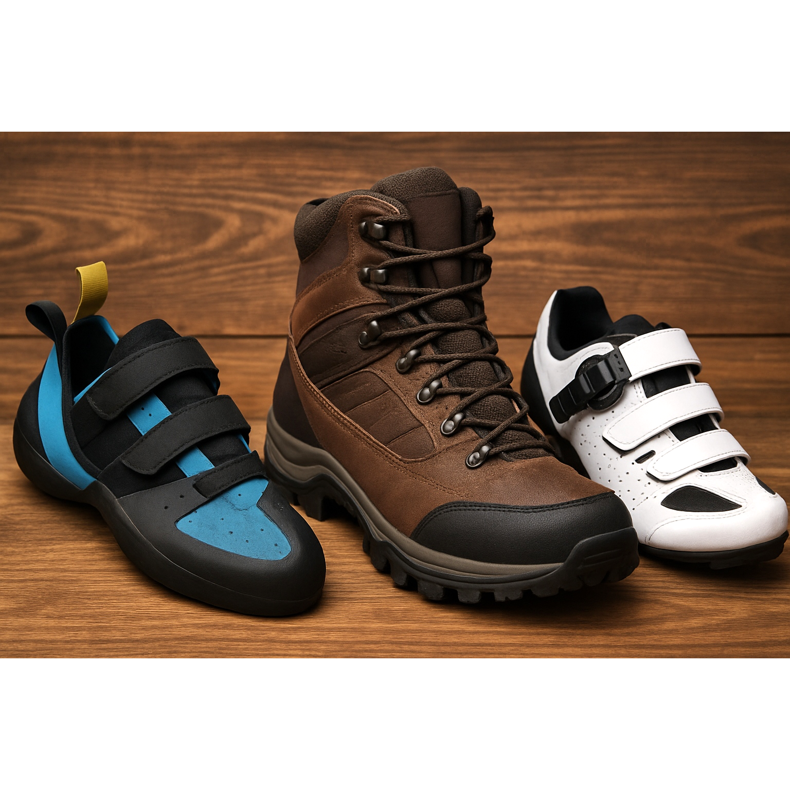
Shoes for mountain sports and cycling
Climbing shoes
Specialized climbing shoes have a super-tight construction and a sticky rubber sole for maximum precision on small holds. There are various models - from aggressively curved for difficult routes to more comfortable for long climbs. Shoes should be tight but not painful.
Trekking shoes
For mountain hiking with a backpack, high shoes that stabilize the ankle are necessary. The stiff Vibram sole provides traction on steep ascents and descents. The waterproof Gore-Tex membrane protects against rain and snow. Good ventilation and a contoured insole are important to reduce fatigue during long hours of walking.
Cycling shoes
Road cyclists need stiff shoes with an SPD-SL clip system for efficient power transfer to the pedals. MTB shoes have a more protected sole that allows you to walk on terrain. Ventilation and lightweight construction are crucial during intense training.
The most important features of good sports shoes
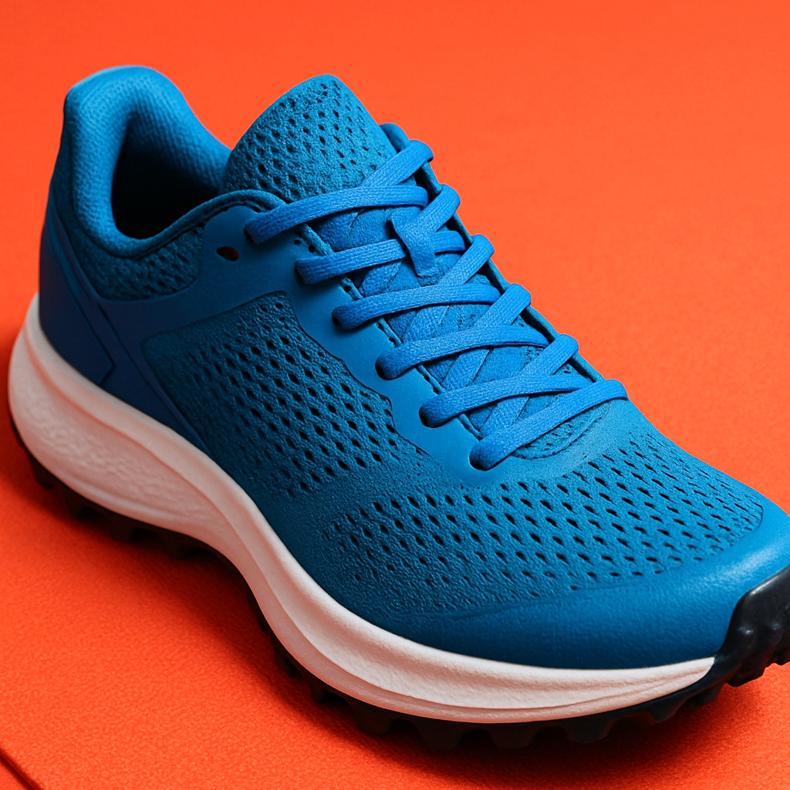
Regardless of the discipline, shoes should be made of breathable materials that prevent excessive sweating of the feet. Synthetic mesh, perforated leather and modern technical fabrics guarantee adequate ventilation during intense exercise.
The sole is the most important element of a sports shoe. It must be adapted to the surface you are driving on. A rubber sole for parquet, an aggressive tread for terrain, cleats for grass - each type has its own justification. Also check if the sole is replaceable - in some models it can be replaced after wear.
The lacing system should enable precise adjustment of the shoe to the foot. Traditional laces are still popular, but quick lacing systems, Velcro and BOA disc mechanisms are also emerging. Choose the solution that is most convenient for you and your discipline.
Don't skimp on sports shoes. It's an investment in health and safety. Good quality footwear lasts longer and provides better protection against injuries. Renowned sports brands invest in research and technologies that translate into comfort of use.
Replace worn shoes regularly. Even the best footwear loses its properties after a certain number of kilometers or hours of training. Worn out cushioning or abrasive soles will not provide adequate support and may lead to injuries.