
Sneakers and streetwear culture – shoes as a social phenomenon
Sneakers are no longer just sports footwear - they have become a symbol of street culture, a collector's item and an investment worth millions. From hip-hop to haute couture, discover the fascinating world of sneaker culture and find out why shoes have become a global phenomenon.
From the pitch to the street - the birth of a phenomenon
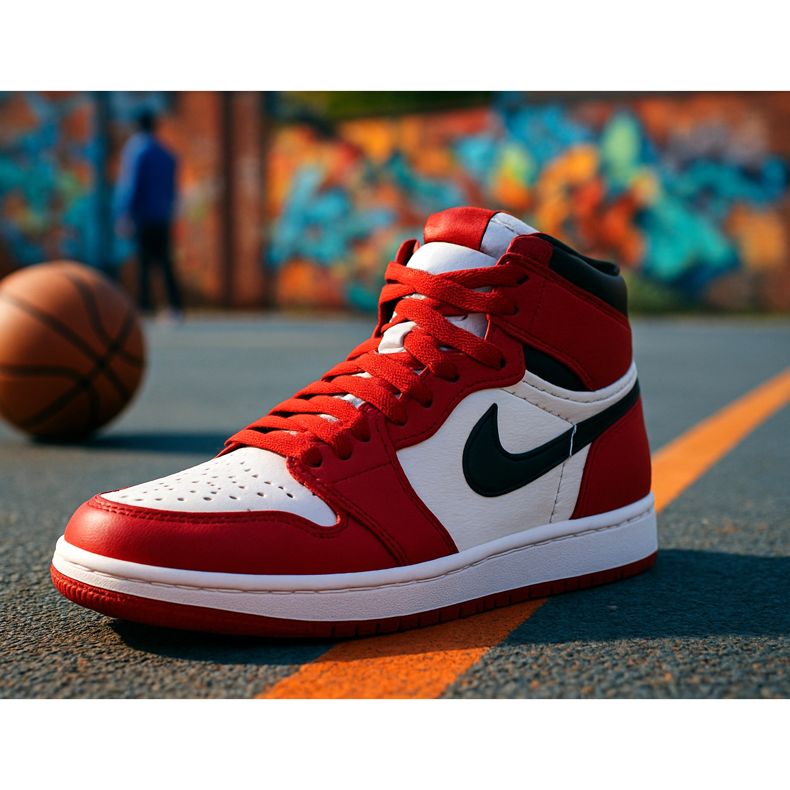
Sneakers are no longer ordinary sports footwear. They have become a symbol of youth culture, an expression of individuality and an object of desire among collectors around the world. From its humble beginnings as practical sports shoes to its status as pop culture icons, the history of sneakers is one of social transformation and fashion revolution.
In the 1950s, sneakers were simple footwear for children and athletes. Today, limited editions reach prices of several dozen thousand zlotys, and fans spend the night in front of stores to get their dream model. Sneakers have become an art form, an investment and a way to express one's identity.
Sneaker culture has transcended the boundaries of sports and fashion, becoming a global phenomenon combining hip-hop music, street art, design and collecting. This is a phenomenon that changed the face of contemporary fashion and showed that shoes can be much more than just footwear.
The history of sneaker culture
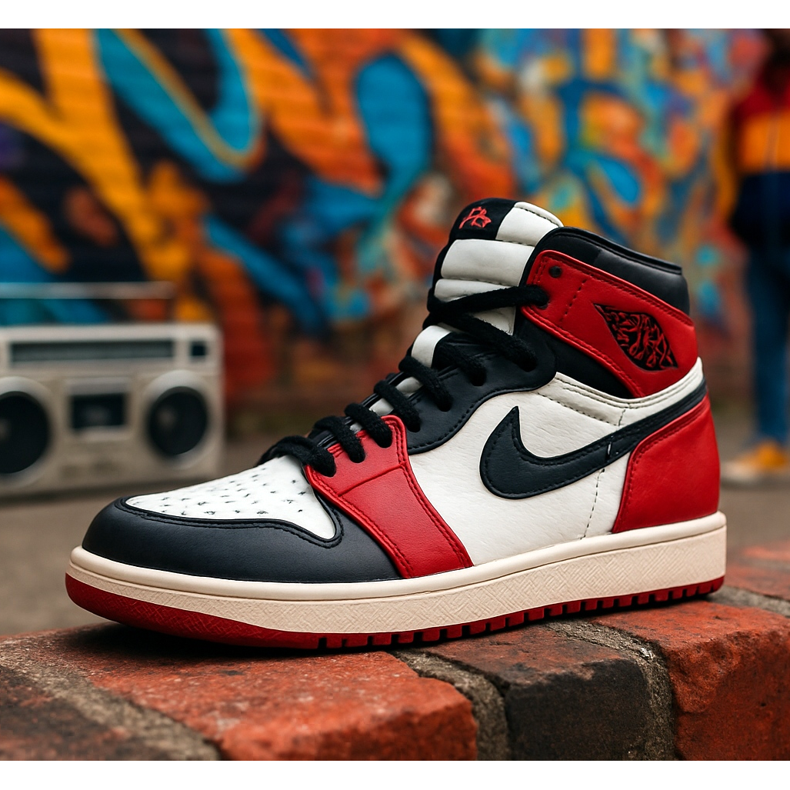
1970s and 1980s - hip-hop changes everything
The real sneaker revolution began with hip-hop culture in New York. Adidas Superstar became an icon thanks to the group Run DMC, which even wrote a song about them. Rap artists wore expensive sports shoes as a symbol of success and escape from ghetto poverty. Sneakers are no longer just sports footwear - they have become a cultural manifesto.
Nike Air Jordan - Michael Jordan's revolution
In nineteen eighty-five, Nike released the first version of the Air Jordan. The NBA basketball league banned them for violating the color code, which only increased the model's popularity. Michael Jordan had to pay a $5,000 fine for every game in which he wore them. This scandal turned out to be brilliant marketing - everyone wanted the banned shoes. To this day, Air Jordans remain the most desirable sneakers in the world.
The 1990s - the era of the Internet and global expansion
The advent of the Internet has enabled the global exchange of information about new models and limited editions. The first forums and communities of sneakerheads were created, exchanging photos, reviews and tips. Sneakers have become the subject of international trade and collecting. Brands began to deliberately limit production, creating an artificial deficit and increasing desire.
Streetwear and the sneaker economy
Limited editions and collaborations
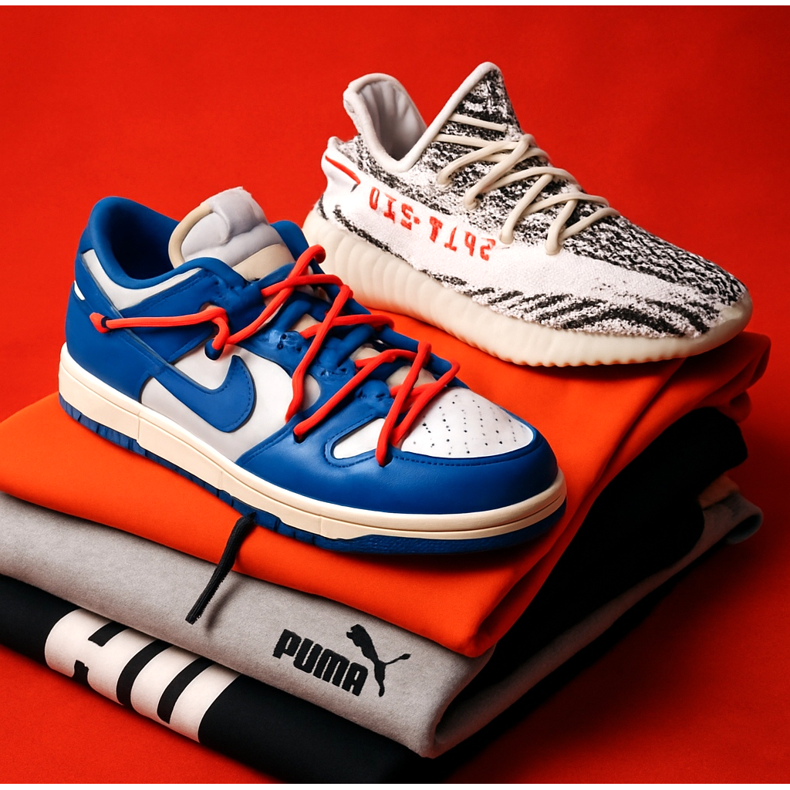
Sports brands started cooperation with fashion designers, artists and celebrities, creating unique collections. Nike x Off-White, Adidas x Kanye West Yeezy, Puma x Rihanna - these collaborations achieve cult status even before their premiere. Limited availability makes some models impossible to obtain in regular sales. Collaboration versions with artists often cost many times more than standard models.
Drops and camp-outs
The premiere of limited sneakers is called a drop. Fans spend the night in front of stores to be first in line. Mobile applications have been created to notify about upcoming premieres and sales locations. It is a social event combining passion, competition and a sense of community. Some people make a living buying and reselling limited edition models for a profit.
Reselling – a business worth billions
The sneaker resale market is a billion-dollar industry every year. Platforms like StockX, GOAT and Klekt allow you to buy and sell authentic shoes at market prices. Some models achieve investment returns that exceed those of stocks or real estate. Professional resellers use bots to automatically buy shoes during launches, which is controversial in the community.
How to wear sneakers - street rules
Rules of streetwear style
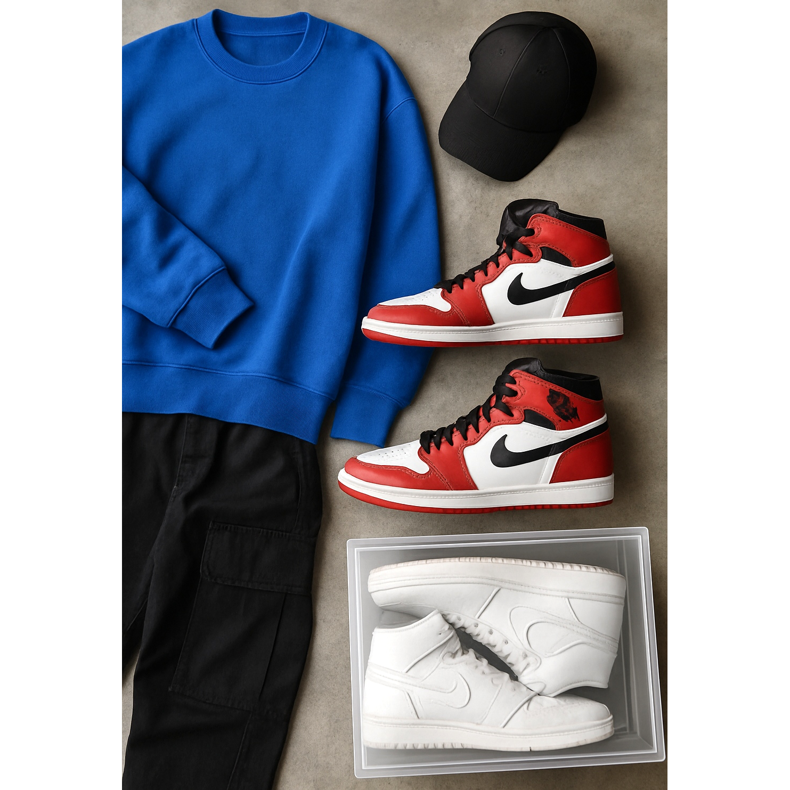
Sneakers are the foundation of street fashion combining sports elements with urban aesthetics. The key is to balance comfort and style. It is popular to combine expensive sneakers with simple clothes - oversized sweatshirts, baggy pants, baseball caps. The less is more principle works perfectly - if the shoes are impressive, the rest of the outfit should be subdued.
Attention to cleanliness
In sneaker culture, the pristine cleanliness of shoes is sacred. Enthusiasts use special brushes, foams and cleaning agents. Some people put plastic covers on their soles when it rains. Dirty white sneakers are a fashion faux pas. There are even professional services that clean and renovate valuable models.
Dead stock and collector's condition
The term dead stock means shoes that have never been worn, in their original packaging. This condition significantly increases the collector's value. Some people buy two pairs of the same model - one to wear, the other to collect. Storing shoes requires appropriate conditions - controlled temperature, humidity and protection from sunlight.
The future of sneaker culture
Haute couture sneakers
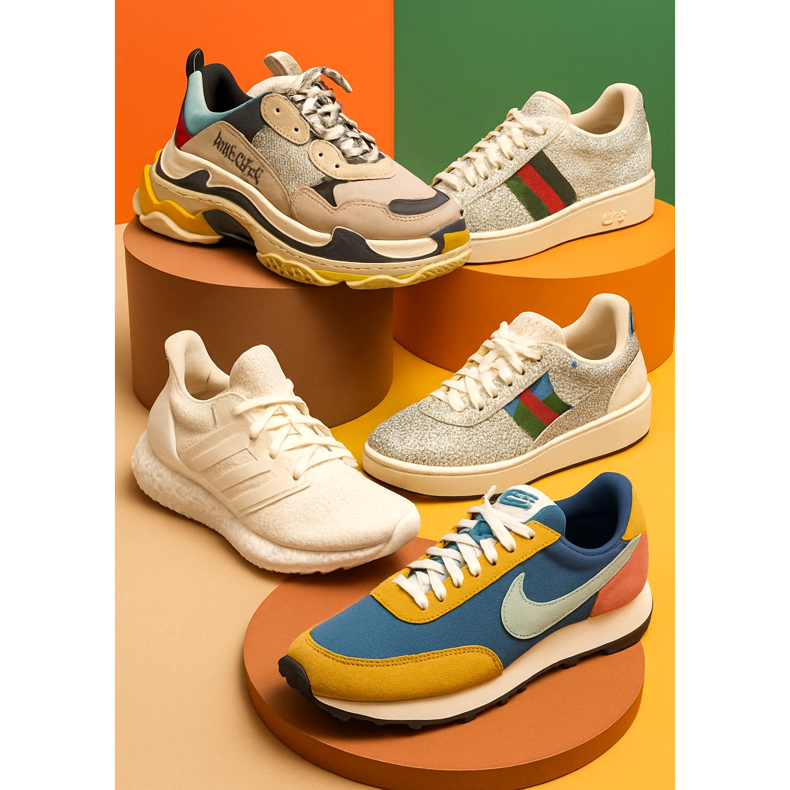
Luxury fashion houses such as Balenciaga, Gucci and Louis Vuitton have introduced sports shoes at astronomical prices to their collections. Triple S from Balenciaga for PLN 3,000 or Gucci sneakers with Swarovski crystals show how much sneakers have penetrated the world of luxury. It's not just streetwear anymore - it's high fashion.
Sustainable development
The new generation pays attention to the ecological aspect of production. Brands respond by releasing collections made of recycled materials, organic cotton and vegan leather. Adidas produces sneakers from plastic recovered from the oceans. Allbirds uses merino wool and ecological materials. The future of sneaker culture lies in the balance between style and responsibility for the planet.
Technology and personalization
3D printing allows you to create personalized soles tailored to the anatomy of the foot. Apps allow you to design your own colors and patterns. Nike offers the Nike By You service, where customers design their own shoes. The future will bring even greater personalization and uniqueness of footwear.
NFTs and virtual sneakers
Virtual sneakers have appeared in the metaverse as NFTs. People pay real money for digital shoes for their avatars. Some brands sell physical shoes along with their digital counterpart. This is a new dimension of sneaker culture combining the physical and virtual worlds.