
Shoes for wide and narrow feet - how to find the perfect fit?
Do you have narrow or wide feet and can't find comfortable shoes? Find out how to measure the width of your foot, which brands offer different widths and how to choose the perfect footwear for your unusual foot.
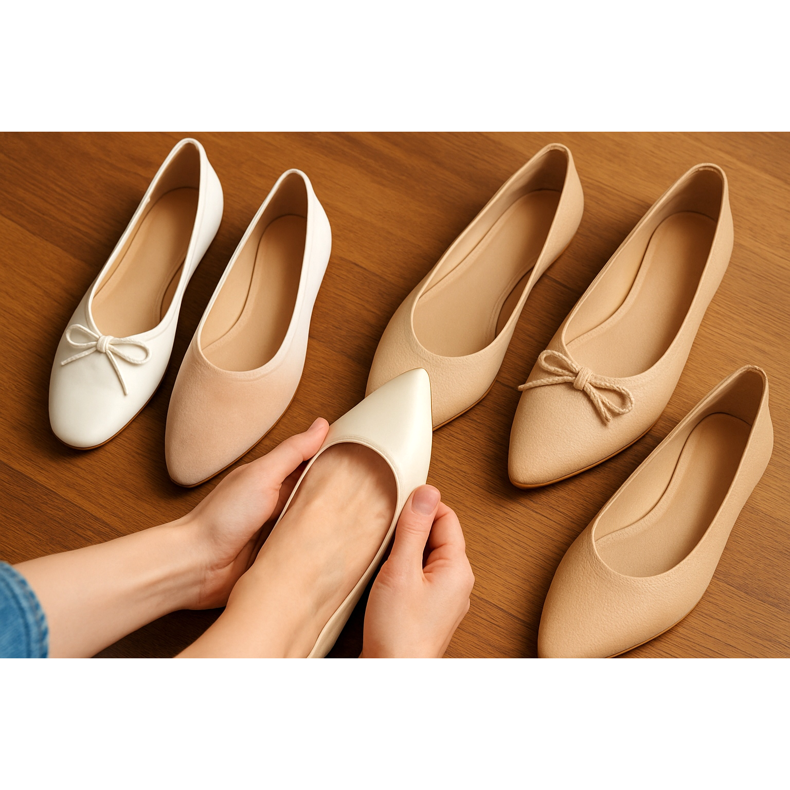
Why is shoe width as important as length?
Do you have narrow feet and every pair of shoes seems too wide? Or maybe your feet are wide and most shoes put pressure on the sides? Inappropriate shoe width is one of the most common problems that leads to discomfort, abrasions and long-term orthopedic problems.
Most manufacturers offer a standard width (medium), which does not suit everyone. Fortunately, there are brands and models dedicated to non-standard feet - you just need to know where to look and how to measure correctly.
In this guide, you'll learn how to determine your foot width, which brands offer different widths, and how to stay comfortable with unusual feet.
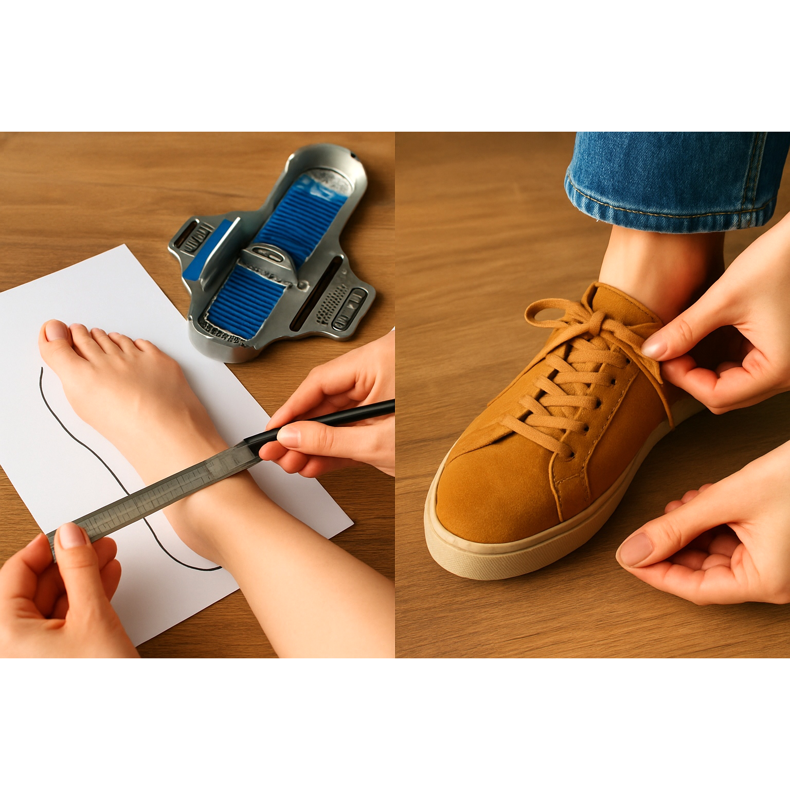
How to measure the width of your foot?
Method 1: Measurement at home
1. Place your foot on a piece of paper
2. Mark the widest point of the foot (usually at the toes)
3. Measure the width with a ruler
4. Compare with width chart (below)
Method 2: Shoe test
Put on your shoes and try to grip the fabric on the sides:
- If you can catch a large fold of fabric → too wide
- If the material is tight and you can't grip it → too narrow
- If you can gently grip the material → perfect fit
Method 3: Visit to a specialist
Professional shoe stores offer foot measurement with the Brannock Device - the most precise method.
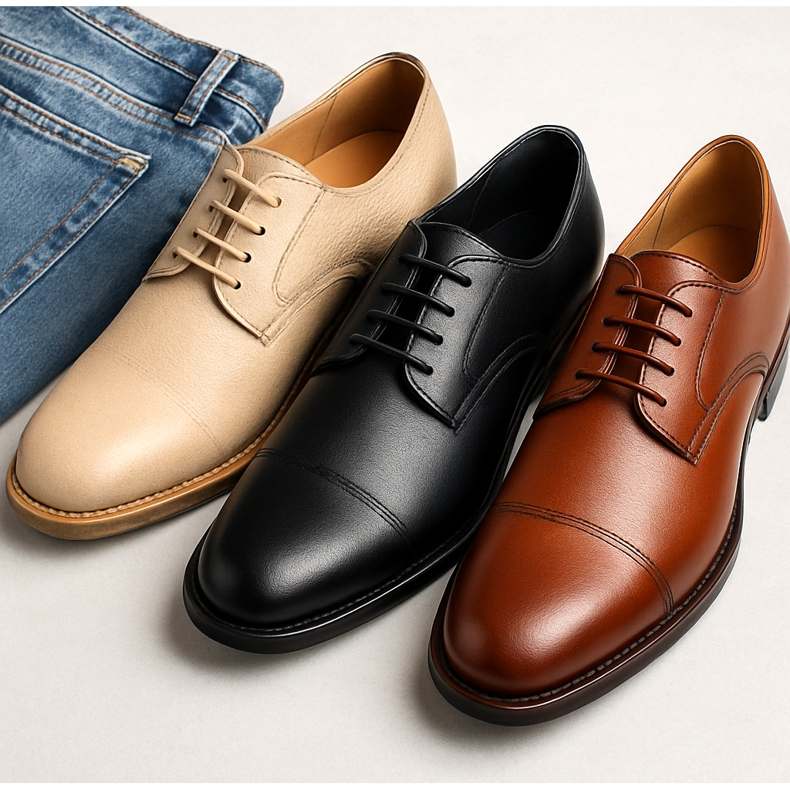
Shoe width marking system
The width system varies by region:
USA (men's):
- A, AA, AAA - very narrow
- B - narrow
- D - standard (medium)
- E (2E) - wide
- EE (3E) - very wide
- EEE (4E) - extra wide
UK/Europe:
- C, D - narrow
- E - standard
- F - wide
- G, H — very wide
Attention: Not all brands use this system. Many European manufacturers only offer standard widths.
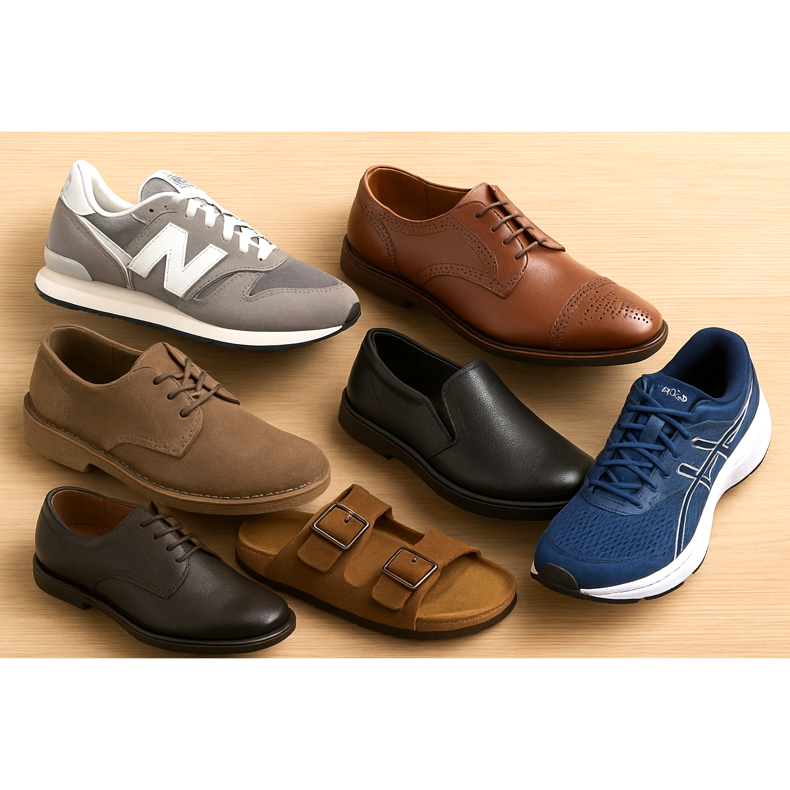
Brands offering different widths
New Balance
It offers widths: 2E (wide), 4E (extra wide), and in some models also B (narrow). Mainly available in sneakers and sports shoes.
AllenEdmonds
A luxury American brand offering widths from B (narrow) to 3E (extra wide) in formal shoes. Perfect for unusual feet.
Clarks
British brand with a wide range of widths (usually E, F, G, H). Particularly recommended for wide feet.
Mephisto
A French brand offering models in various widths. Known for comfort and fit.
Ecco
A Danish brand that designs shoes for wider feet. Most models are naturally wider than standard.
Asics (sports shoes)
Offers 2E and 4E models in running shoes - perfect for wide feet.
Birkenstock
Sandals available in two widths: regular and narrow. The inserts can be further customized.
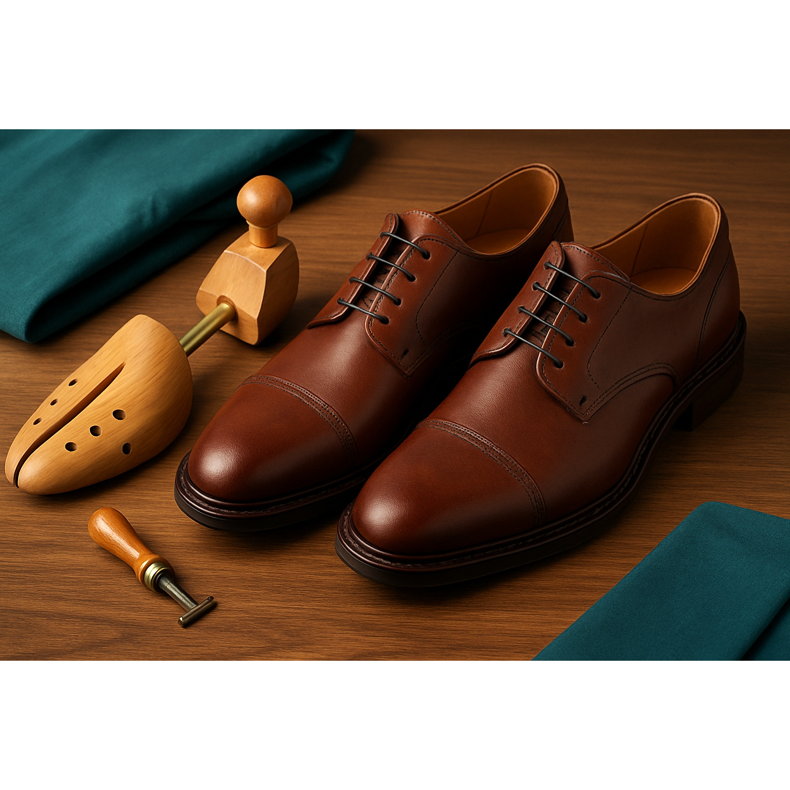
Solutions for wide feet
Problem: Most dress shoes (Oxfords, Derby shoes, loafers) have a slim fit - it's part of their aesthetic.
Solution:
- Search for British brands - they often have wider copying (Clarks, Loake, Church's in wider versions)
- Consider Derby styles instead of Oxfords - open lacing allows for more room
- Avoid Italian brands - they have the slimmest cut (e.g. Santoni, Fratelli Rossetti)
- Use shoe stretchers - they will gradually widen the shoes at specific points
- A visit to a shoemaker - a professional can make your shoes wider by up to half a size
- Consider MTM (Made To Measure) shoes - more expensive but a perfect fit
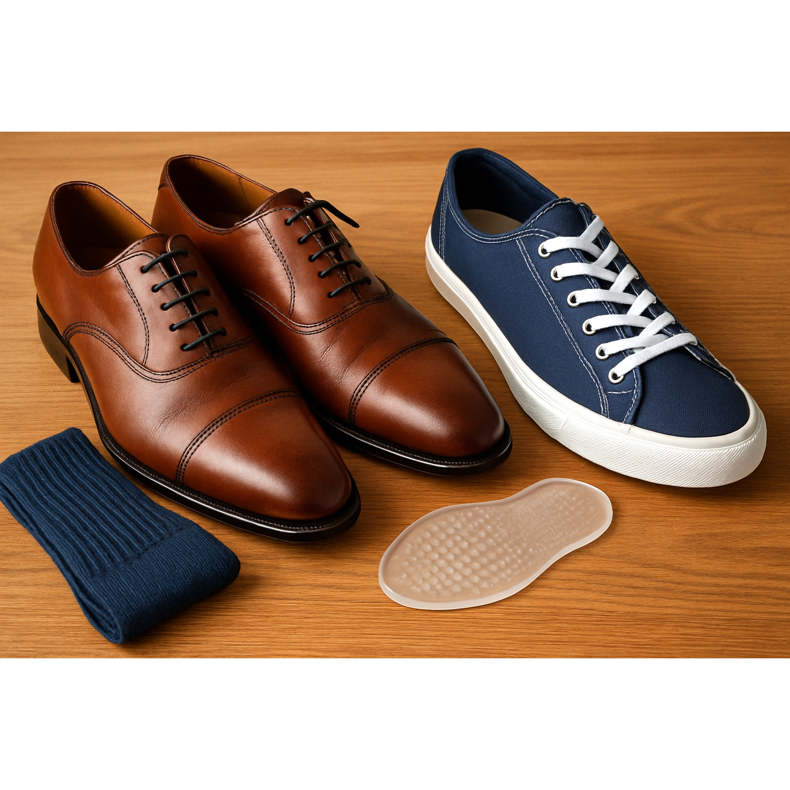
Solutions for narrow feet
Problem: Shoes slip off the heel, the foot "floats" inside, lack of stability.
Solution:
- Look for Italian and Spanish brands - they have a narrower cut (Meermin, Carmina, Santoni)
- Try Italian sneakers (Superga, Diadora) - usually narrower than American ones
- Consider Oxford models - closed lacing provides better support for narrow feet
- Use thicker inserts - they will take up some space
- Tie the laces using the "heel lock" method - better fixation of the heel
- Wear thicker socks (especially in winter)
- Buy gel heel pads - they prevent the shoe from slipping
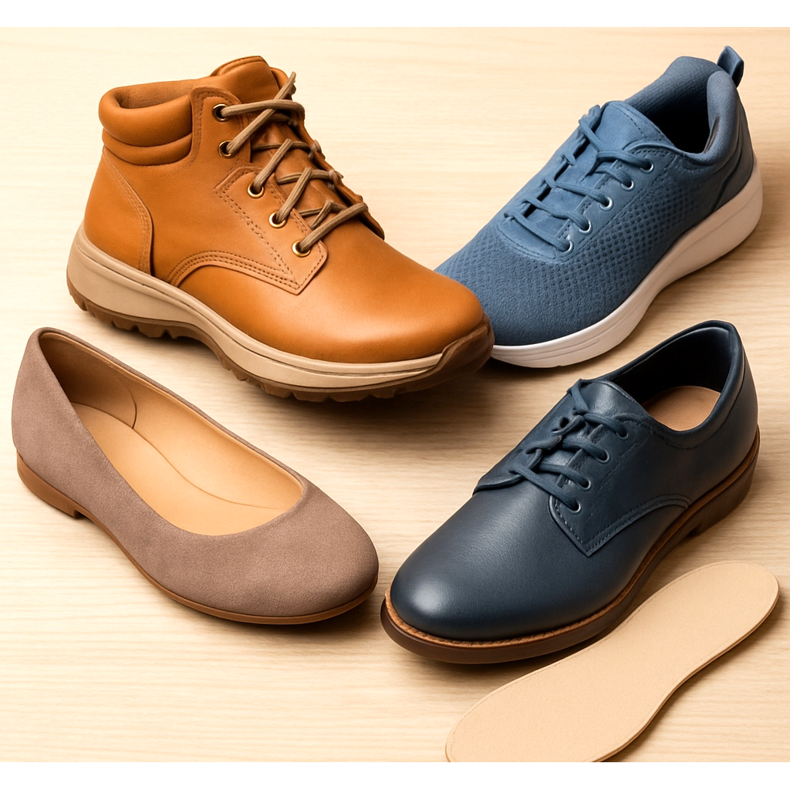
Other unusual feet - what then?
High arch
The foot has a high arch - you need shoes with good arch support and a higher shaft. Avoid flat inserts. Search for orthopedic brands (Vionic, Ecco).
Flat feet
Lack of arch support - shoes with additional arch support and stabilization are needed. Consider orthopedic insoles.
Bunions
Choose shoes with a soft, flexible upper and a wide toe. Avoid narrow tips. The Hotter brand specializes in such shoes.
Different foot lengths
Buy shoes that fit larger feet. Add an insert to the smaller one. Some brands sell individual shoes to order.
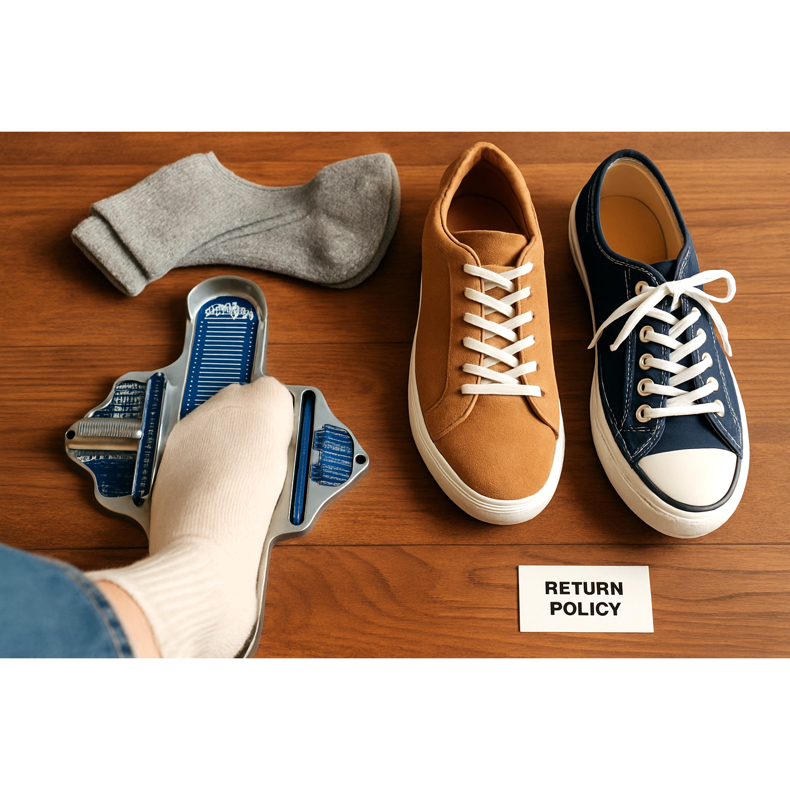
Practical tips when buying shoes
Don't guess - measure
Professional foot measurement is essential. Do it at least once in your life.
Try on with the right socks
Thicker socks in winter may require half a size more.
Try it on in the afternoon
Feet swell during the day - shoes you try on in the morning may be too tight in the evening.
Walk in the shoes before purchasing
It's not enough to put them on - walk around, do a few squats, check if anything is tight.
Check the returns policy
When purchasing online, make sure you can return the shoes if they do not fit.