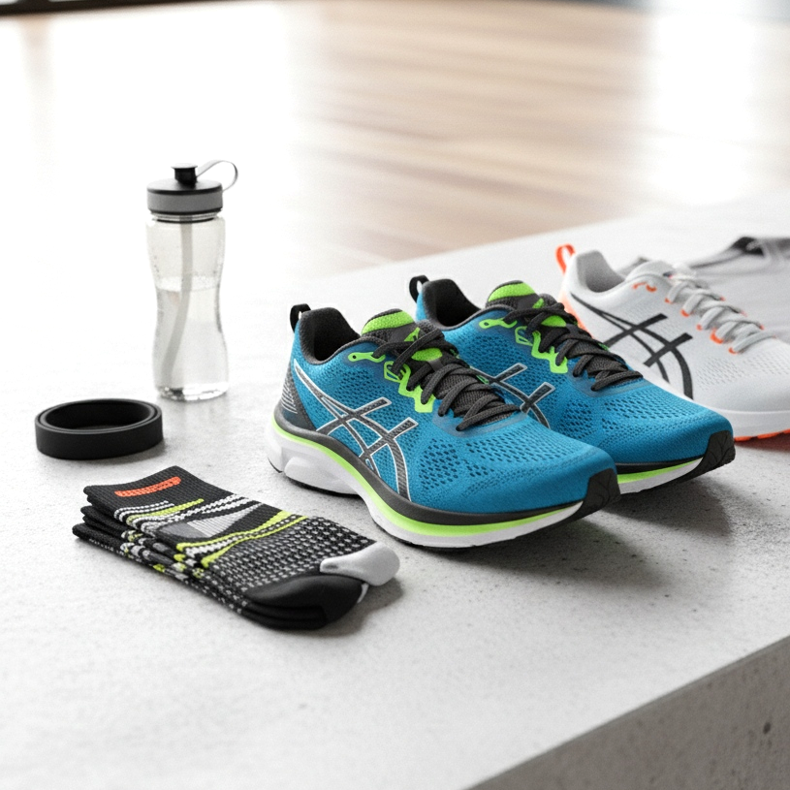
Shoes for sports activities – a guide for beginners
As a beginner athlete, choosing the right shoes can be a challenge. Find out the key features you should pay attention to to choose the perfect shoes for your discipline.
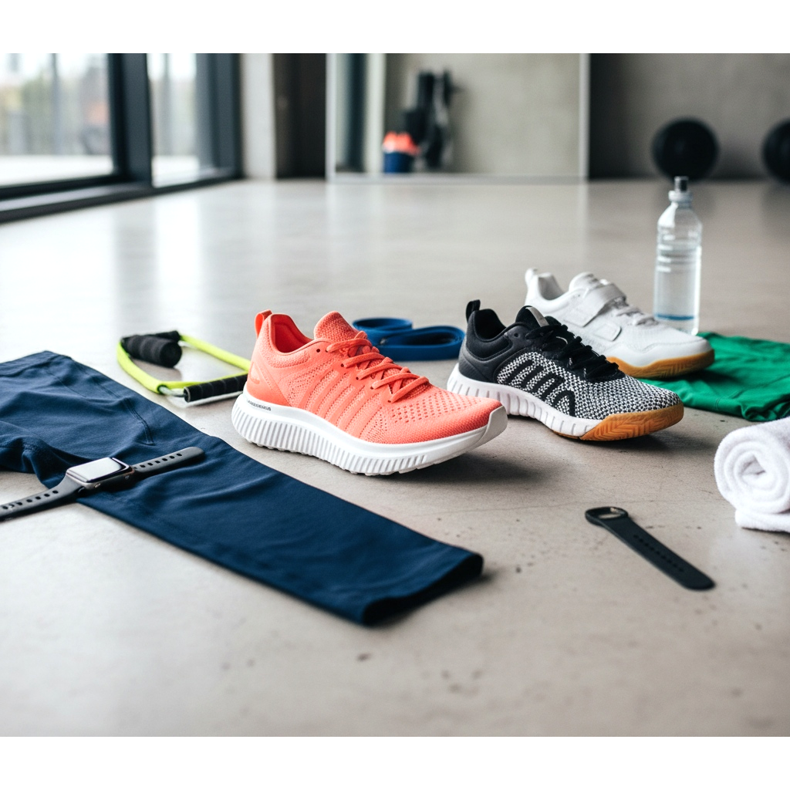
1. Introduction: sports require appropriate footwear
If you work professionally or practice sports as an amateur, you know how important the right choice of footwear is. For beginner athletes, choosing the right shoes can be a complete challenge - there are thousands of models available on the market, each with different technology and purpose. Should you choose minimalist running shoes or a model with maximum cushioning? Will tennis shoes be good for basketball? In this guide, we'll discover the key features that make sports shoes suitable for a specific sport, and what to look out for as a beginner.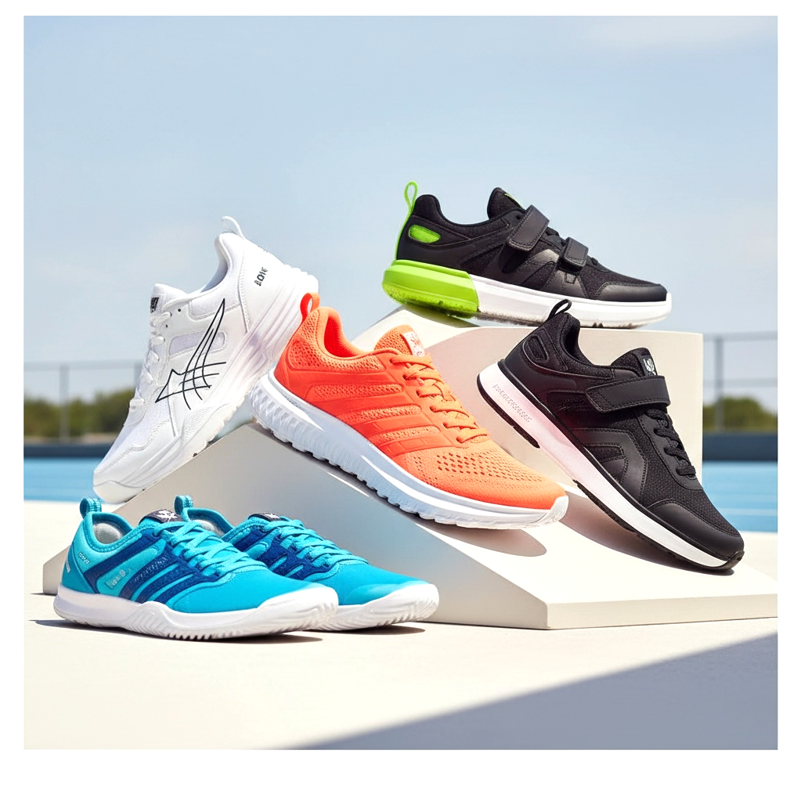
2. Know your discipline: the key to making the right choice
The first step is to identify your sport or type of physical activity. Running shoes have different features than gym shoes, and tennis shoes are very different from swimming shoes. Running requires proper cushioning because your foot hits the ground hundreds of times a minute - poorly fitting shoes can lead to injury. In turn, gym shoes must provide lateral stability. Tennis shoes must have excellent lateral traction to support quick, lateral movements. Before you buy, think about what discipline you want to practice regularly and focus on the shoes that are intended for it.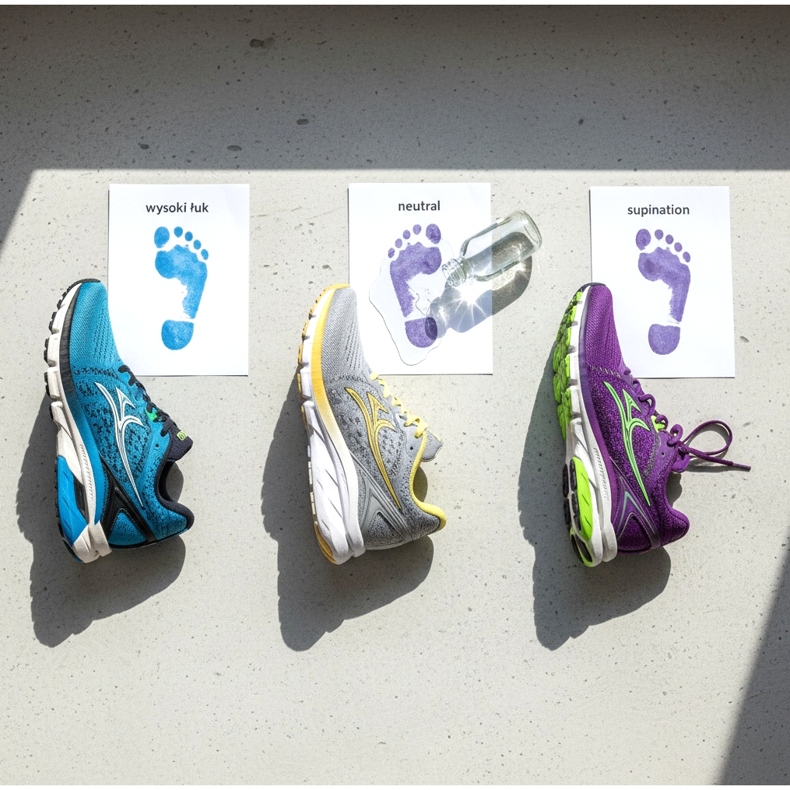
3. Diagnose your foot type
The type of your foot is another important factor. There are three main types of feet: neutral (low arch), pronator (high arch), and supination (very high arch). If you have pronated feet, you need shoes with additional support in the inner (medial) part. If you supinate, you will need more flexible shoes. For neutral feet, most standard athletic shoes should work fine. To determine your foot type, you can send a photo of your foot while wet walking on paper - you will see the shape of the print. Alternatively, a visit to a specialist sports shop where they can analyze your gait is really worth the investment.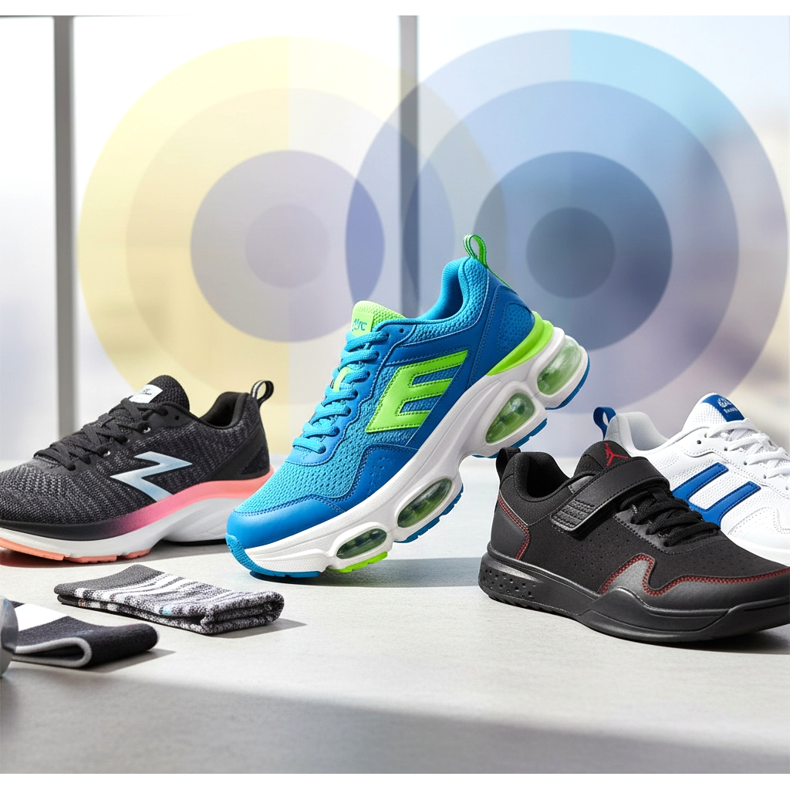
4. Depreciation: More is not always better
Depreciation is not just one concept - there are different types and degrees of depreciation. Maximum cushioning shoes are perfect for heavy runners who are looking for pure joint protection. However, for beginners, medium cushioning is often a better choice - it provides enough protection without excessively "damping" the feel of the terrain. For those who strength train, you want a shoe with minimal cushioning, but with a wide base for stability. For tennis players, horizontal cushioning is less important than the supportive structure of the side of the shoe. Remember that more cushioning does not necessarily mean better shoes - it's a matter of matching your style and weight.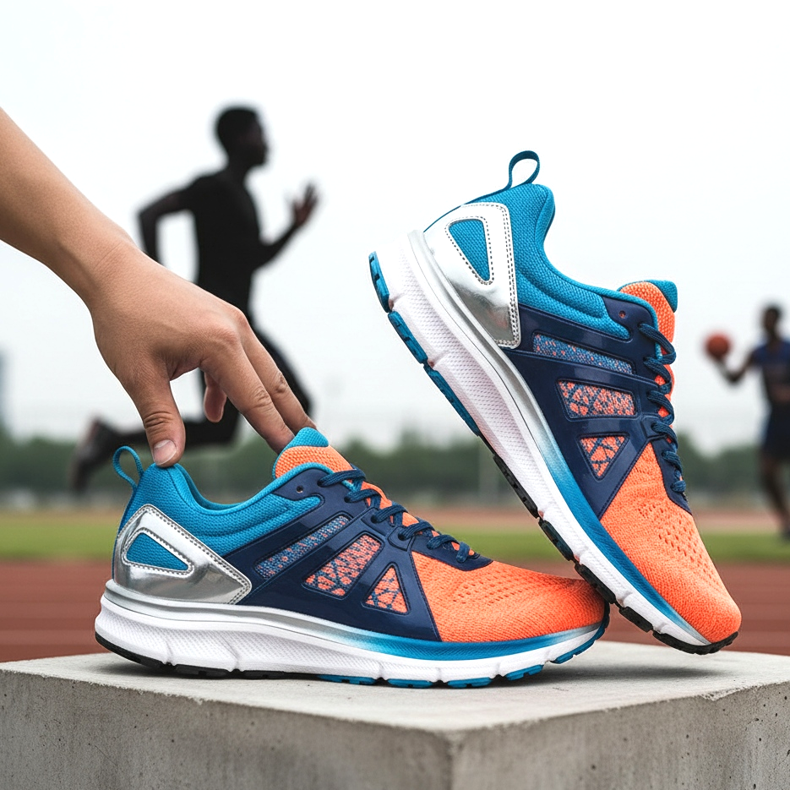
5. Stability: the foundation of safe training
No matter the sport, stability is key. For runners, this means pronation control and heel support. For team sports this means lateral support and lateral grip. Make the shoes stiff enough in the mid-section (between the heel and forefoot), but flexible enough in the forefoot to allow your feet to flex naturally. When you buy shoes, put them on and walk around - you should feel stable, not slip around inside the shoe, and the heel part should not move. If you feel that your gait is unstable, the shoes are not for you.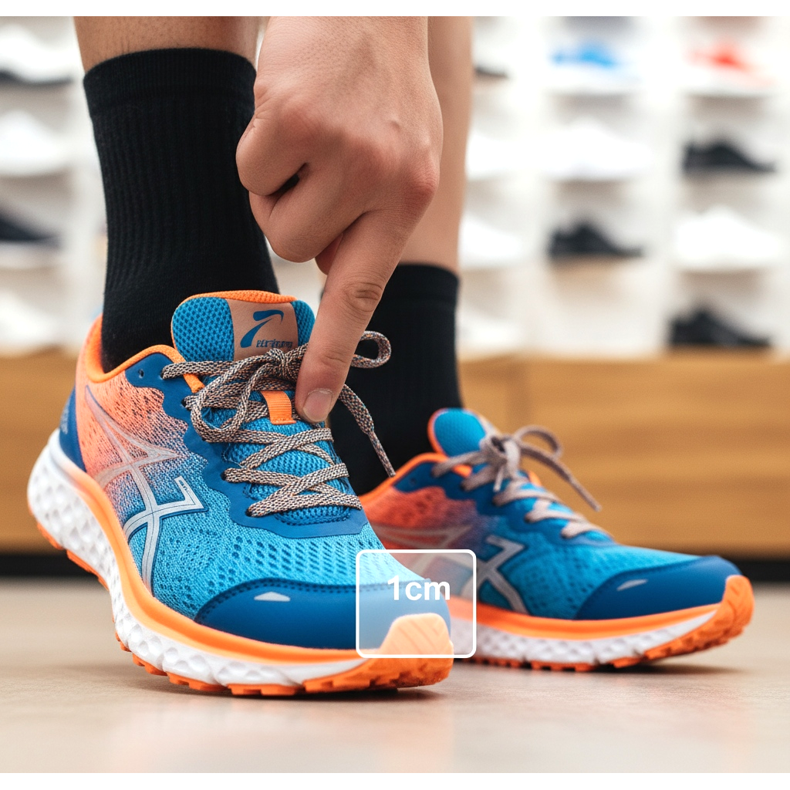
6. Size: Don't give in to inconvenience
Many sports injuries result from mismatched shoe sizes. Shoes that are too tight can cause blisters and ingrown toenails, while shoes that are too loose can cause blisters and instability. The general rule is: there should be a space the width of one finger (about 1 cm) between the tip of the shoe and your long toe. Shoes should be well cared for after a lot of wear - buy them at the end of the day when your feet are slightly swollen. Remember that shoe sizes may vary between brands, so always try them on before purchasing.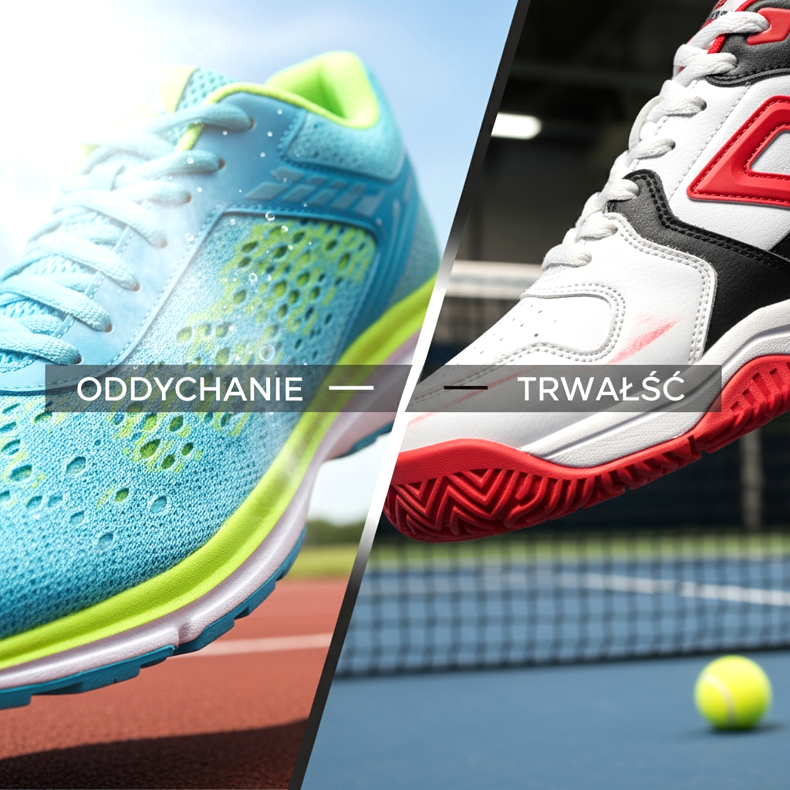
7. Material: breathability vs durability again
The upper material (upper) of the shoe is of great importance. For runners, look for breathable materials such as mesh or synthetic with good ventilation - this will help remove sweat and transform air. For on-court sports, look for durable materials that can withstand lateral movement without tearing. Synthetic materials are generally more durable than natural leather for sports shoes, although natural leather has better breathing capabilities. For beginners, synthetic is a safer choice because it is more resistant to intense training conditions.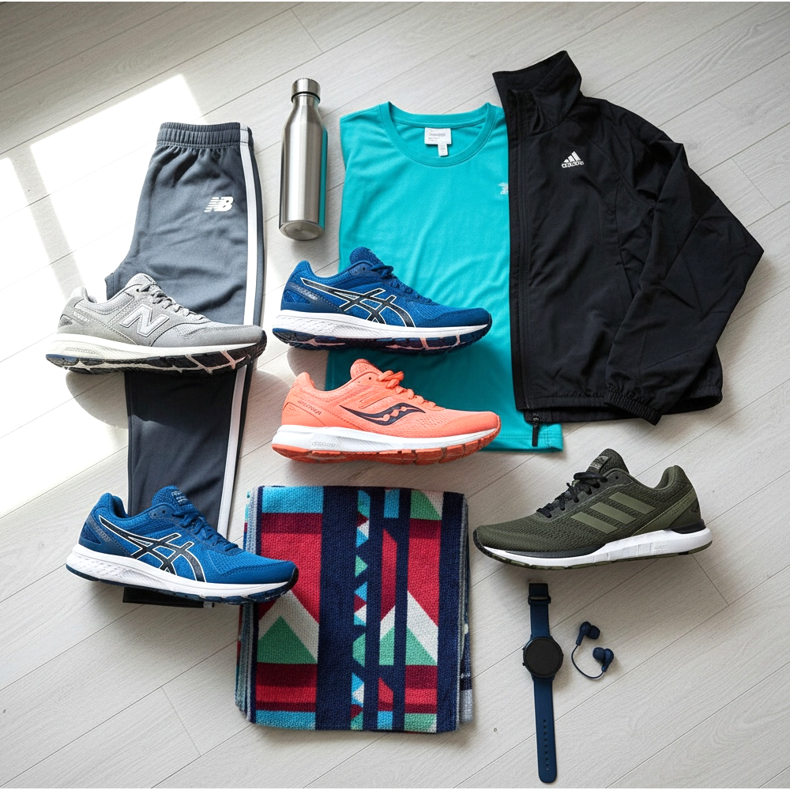
8. Budget: You don't have to be rich to be well-equipped
As a beginner athlete, you don't have to spend a fortune on the latest premium models. Mid-range sports brands such as New Balance, ASICS, Saucony, Brooks and Adidas offer great value for money. As you progress in your sport, you can invest in more specialized models. The most important thing is that the shoes are properly fitted to your foot type and discipline. Read reviews and don't hesitate to ask the sports store staff for recommendations.