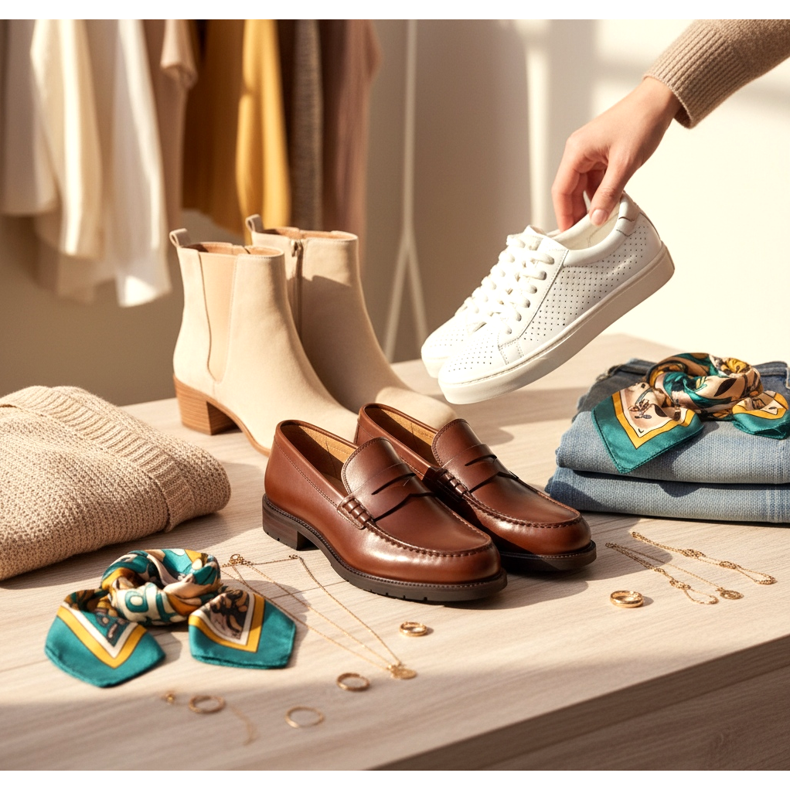
Seasonal transitions in the wardrobe - spring shoes from autumn
Transitions between seasons can be smooth with the right choice of shoes. Learn how to choose transitional footwear and prepare summer shoes for storage.

1. Introduction: seasonal transitions in footwear
The transition between seasons is not only about a change in temperature - it is also about changing your entire wardrobe. As fall approaches and you have a wardrobe full of summer shoes, the question arises: how to transition smoothly from one season to the next? In this article, we'll tell you how to choose shoes that will work during the transitional months and how to prepare your summer shoes for storage.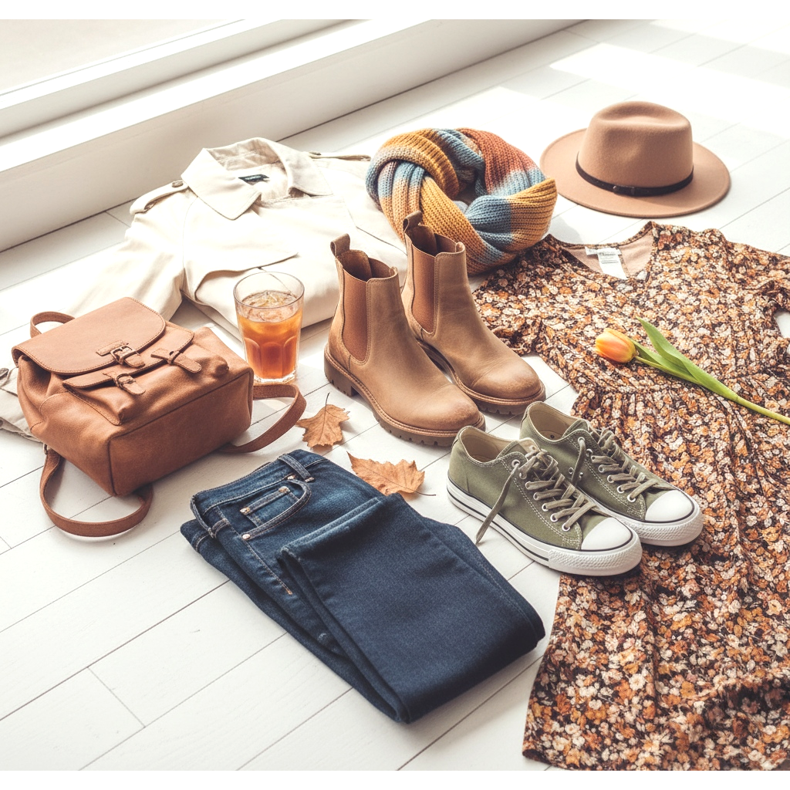
2. Understanding seasonal transitions
Transitions between seasons - spring to autumn, autumn to winter, winter to spring - are periods when the weather is unpredictable. There may be cool mornings and warm afternoons. It may be raining one day and sunny the next. This requires a strategic approach to footwear. The perfect transitional shoes should be versatile, functional and comfortable. They should work with both summer and autumn wardrobes and be resistant to changing weather conditions.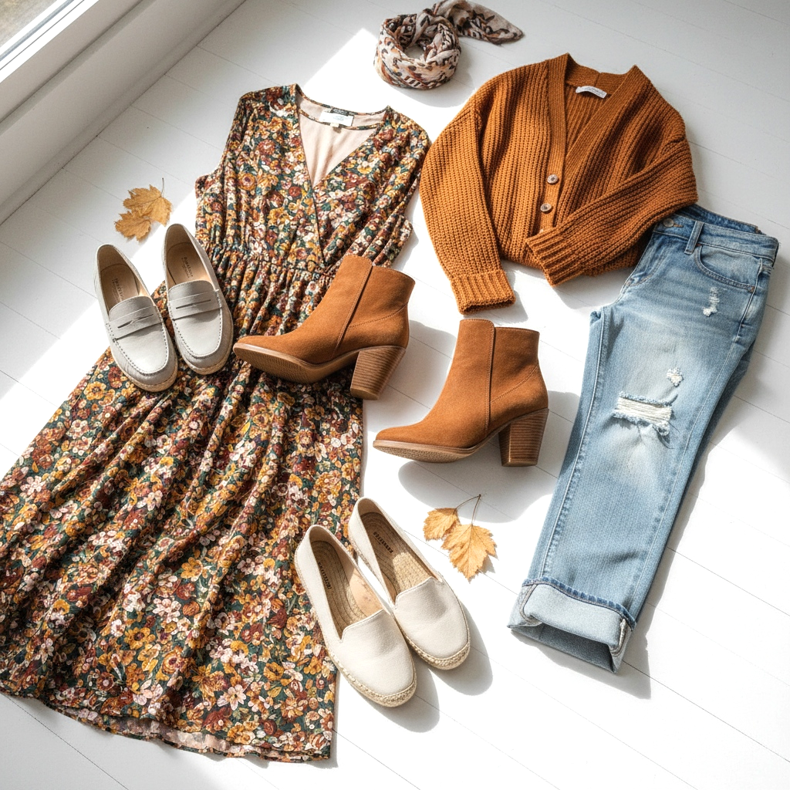
3. Summer-autumn transition: wardrobe change
The transition from summer to fall is the time to move from sandals, flip-flops and summer sneakers to more covered shoes. Boots are the perfect choice here - they can be worn with summer dresses and shorter pants, but also with jeans and more autumn styles. Espadrilles are another option that works with both summer and autumn outfits. If the weather is still warm, you can wear light shoes. The key is to have pairs that will transition between both seasons without requiring a complete wardrobe overhaul.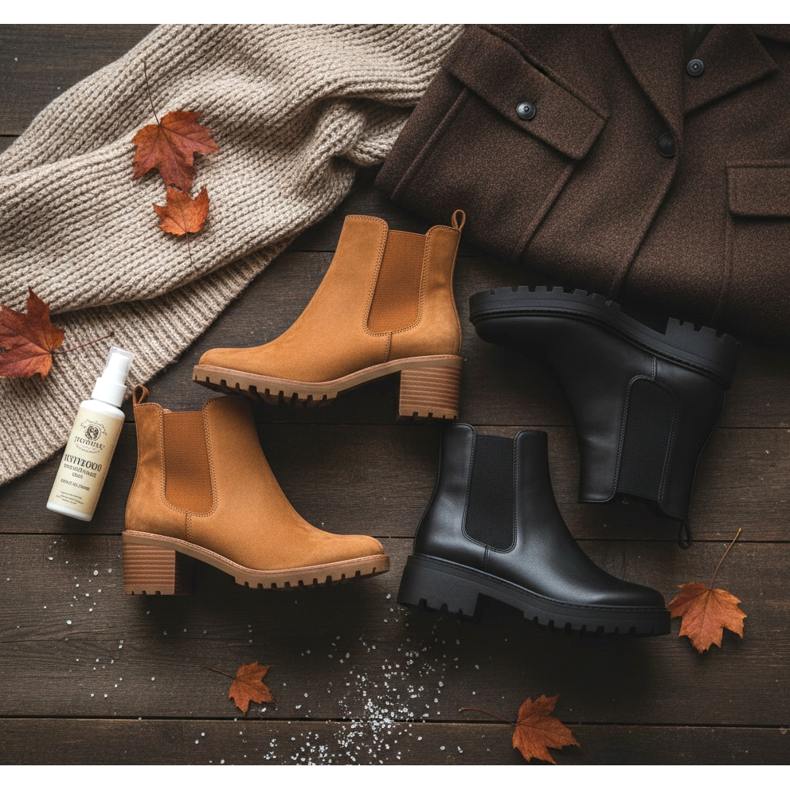
4. Autumn-winter transition: warmth and functionality
The transition from fall to winter requires a bigger change. Here you need to switch to warmer, more insulated shoes. However, instead of putting on your heavy winter boots right away, try going in stages. High heel or platform ankle boots can be worn most of the fall, and save heavy ankle boots or Chelsea boots for the peak of winter. If you have shoes in transitional colors - camel, brown, black - they can be worn by more people. Remember about waterproofing - when the weather deteriorates, make sure your shoes are protected against water and salt.
5. Preparing shoes for storage
Before storing your summer shoes for the season, make sure they are clean and dry. Any trace of dirt or sweat can lead to permanent stains or odors. Wipe them with a clean cloth and let them dry completely. If your shoes are suede or leather, apply a protective lotion. Remember to store them in a cool, dry place - never in bright sunlight, which can discolor the shoes. If you can, store them in boxes or cloth bags to protect them from dust.
6. Wardrobe assessment
Seasonal transitions are the perfect time to evaluate your shoe wardrobe. Do you really wear every pair you have? Are there any shoes that spend entire seasons in the closet without being used? If so, maybe it's time to get rid of them - sell them, donate them, or send them for recycling. Keeping only the shoes you actually wear simplifies the transition between seasons and makes your wardrobe more functional.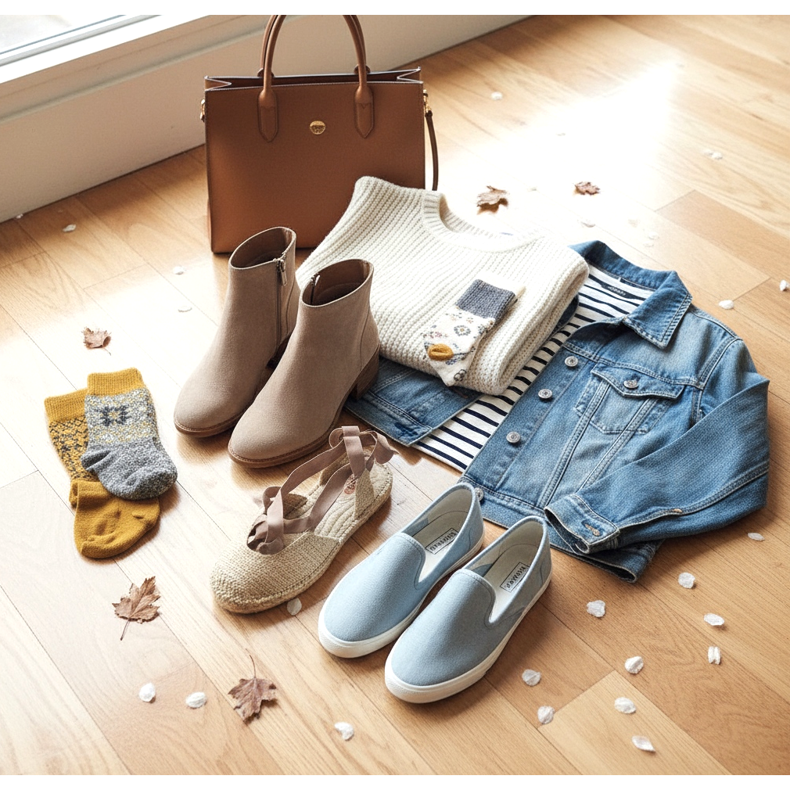
7. Strategies for smooth transitions
Transitions between seasons shouldn't be traumatic. Having a few pairs of shoes that work during the transitional months can make this process go smoothly. Ankle boots, espadrilles, and light shoes are universal options. Additionally, dressing in layers can help - if you have light shoes but cold feet, you can wear thicker socks. Fashion seasonal transitions are about adaptation and flexibility.