Platform or heel? A guide to choose the right one for your figure
Platform or heel? Learn the differences between these two options and how to choose the right one for your figure and comfort.
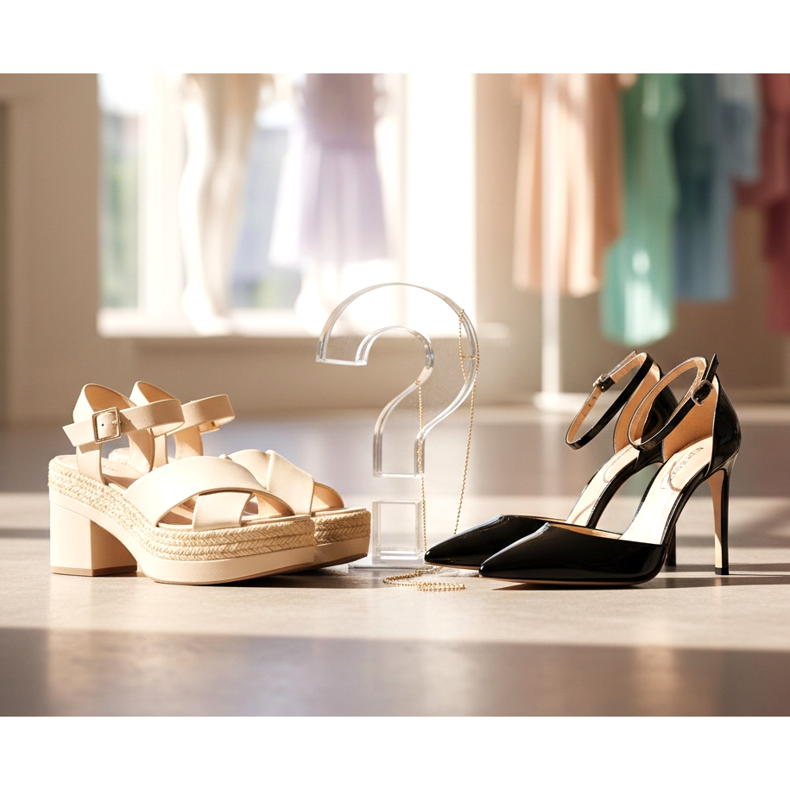
1. Introduction: platform or heel – a big dilemma
Platform or heel? This is a question every woman looking for new shoes asks herself. Both options have their pros and cons, but together they can change the way you feel in your shoes and how you look on the outside. The problem is that it's not just a matter of aesthetics - it also has a physiological impact on your body. In this article, we'll go through the differences between a platform and a heel, and show you how to choose the right one for your figure and style.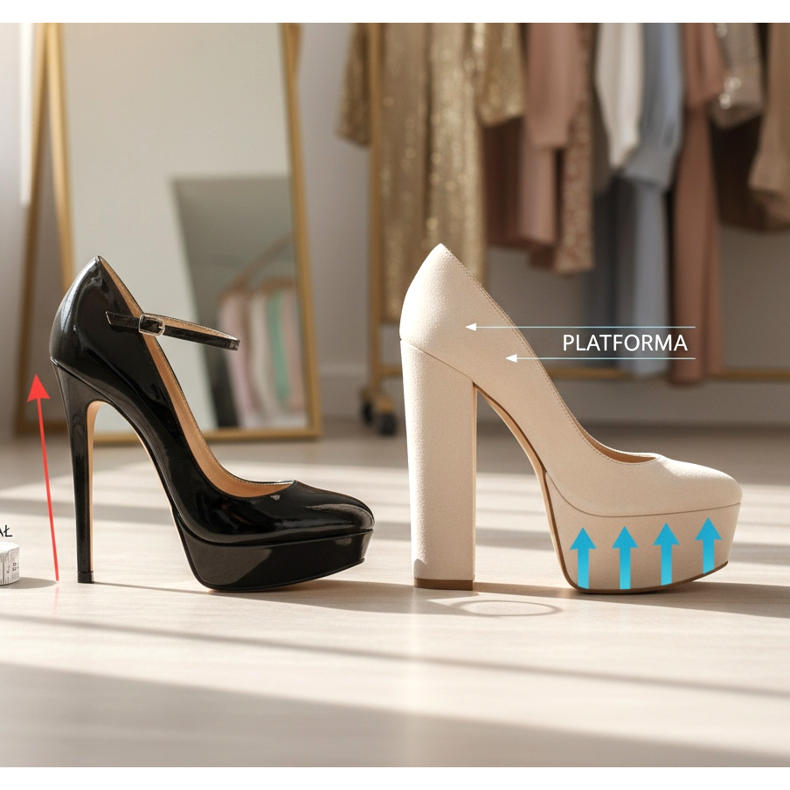
2. Anatomy: understanding the differences
Before we start comparing, it's important to understand the anatomy of both options. A heel is the traditional height under the heel that changes the angle of your foot and leg. The platform is an increase both under the heel and forefoot - the entire foot. Both options get you up, but they do it in different ways. The heel engages the leg and foot muscles more, while the platform spreads the weight over a larger surface. This means that heels may be more elegant, but platforms are more comfortable.
3. Body type: choose accordingly
If you have a taller body type, heels may be the perfect choice. They help lengthen the legs and make the figure look slimmer. However, if you have short legs, a platform will be a better choice - it will give you height without the stiffness that a high heel sometimes gives. For people with wider hips, heels can help to visually narrow the figure because they draw out the leg line. If you have a smaller body, moderation in height is important - neither too high a heel nor too high a platform will be suitable.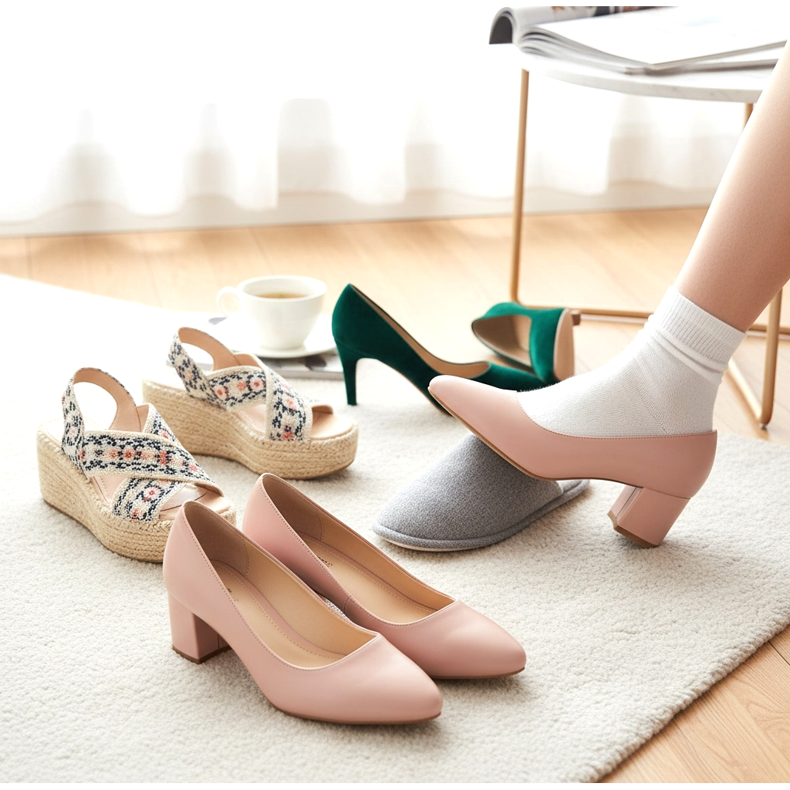
4. Comfort comes first
Comfort is key. High heels may be beautiful, but if your leg hurts after a few hours, you won't be able to wear them. Platforms are generally more comfortable because they distribute the weight evenly. However, when it comes to platforms, you should be careful about the height being too high - they may be less stable and more difficult to walk on. Heels, especially low ones (3-5 cm), can be more comfortable than they seem if they are well-shaped. Wear your shoes at home before going out in public for the first time - this will give you a sense of how they feel.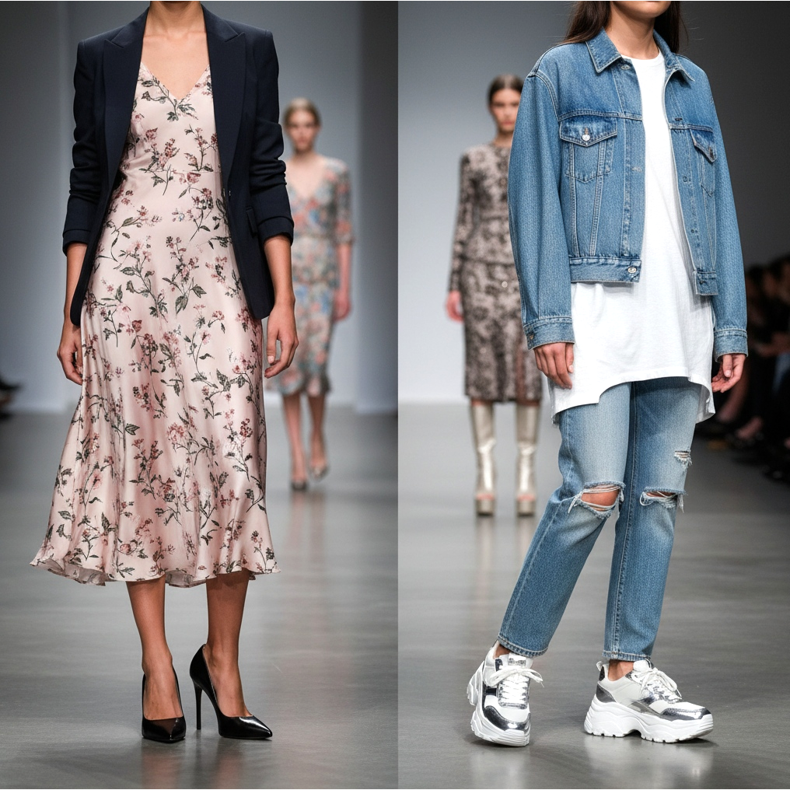
5. Styling: which choice for what?
The style changes depending on whether you're wearing a platform or heel. Heels evoke elegance, formality and self-confidence. They are the perfect choice for dresses, skirts and a more elegant wardrobe. Platforms are more casual and sporty - perfect for jeans, shorts or everyday styling. However, in modern fashion, the boundaries are blurred. You can wear high heels with jeans and shorts, and platforms with dresses. There are no hard and fast rules - it's about feeling confident.
6. Opportunity: Adapt
If you work in an office where elegance is required, heels may be a better choice. However, if you spend a lot of time on your feet, platforms will be more practical. When it comes to a date, the choice depends on the atmosphere - heels for a more romantic outing, platforms for a more casual meeting. Both heels and platforms will work great for a party - it just depends on what you feel more confident in.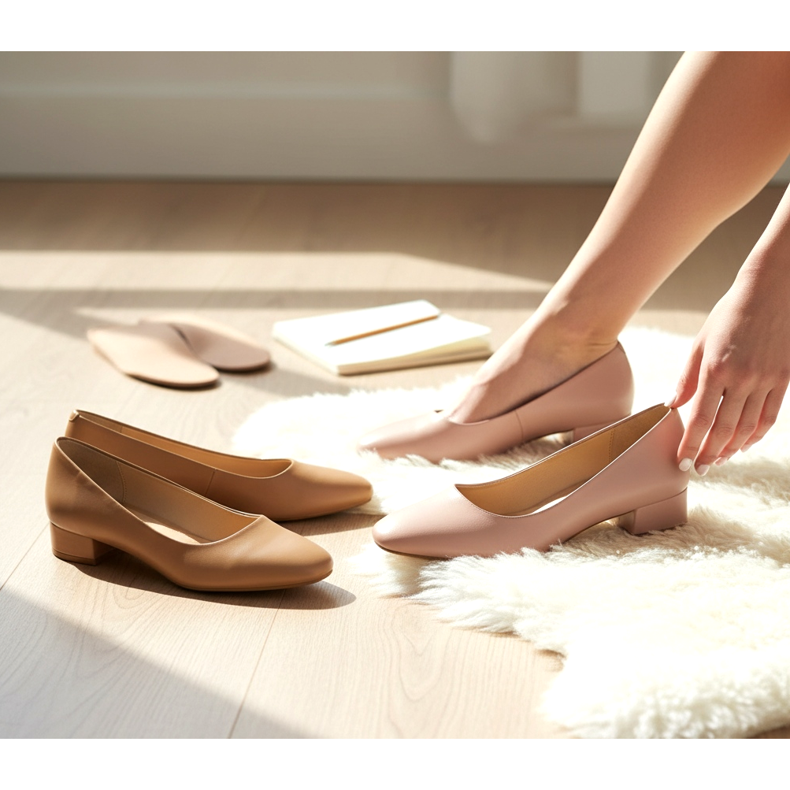
7. Listen to your body
The problem for many people is that they wear shoes that do not correspond to their natural physiological preferences. If you have back problems, high heels can make the situation worse. If you have foot or ankle problems, platforms may be too heavy. Listen to your body - it is your best advisor. If you feel uncomfortable in your shoes, no matter how beautiful they look, they are not for you.