
Old money style in footwear - how to look like a million
The old money style is the essence of discreet elegance. Learn the rules for selecting footwear in the spirit of old wealth - from classic models to care.
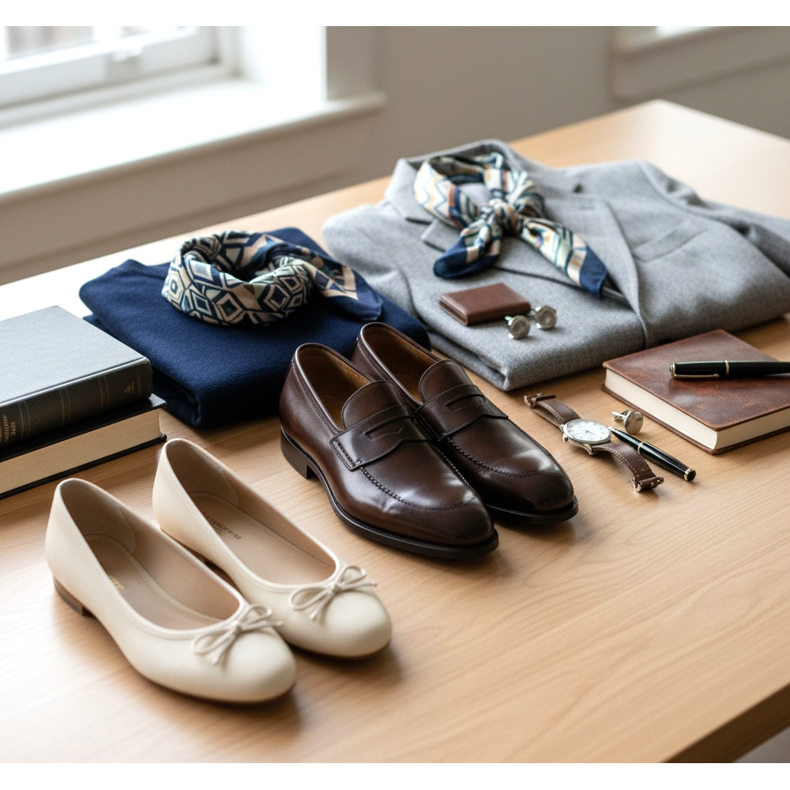
What is old money style and why does it dominate fashion in 2026
Old money style - aesthetics inspired by old wealth - is one of the strongest trends of recent seasons. Unlike the flashy luxury of new money, old money focuses on discreet elegance, timeless quality and subtle chic. This is the style of people who don't have to prove their status - their wardrobe speaks for itself, but in a whisper, not a scream.
In the world of footwear, old money style means a return to the classics: clean lines, noble materials, subdued colors and no visible logos. Forget about large logos on buckles or flashy patterns - what matters here is form, quality of workmanship and refinement of every detail.
This trend is so attractive because it is democratic - you don't have to spend thousands of zlotys to look like someone who has it. You just need to know the rules, choose the right styles and pay attention to details.
Key models of old money footwear - women's wardrobe
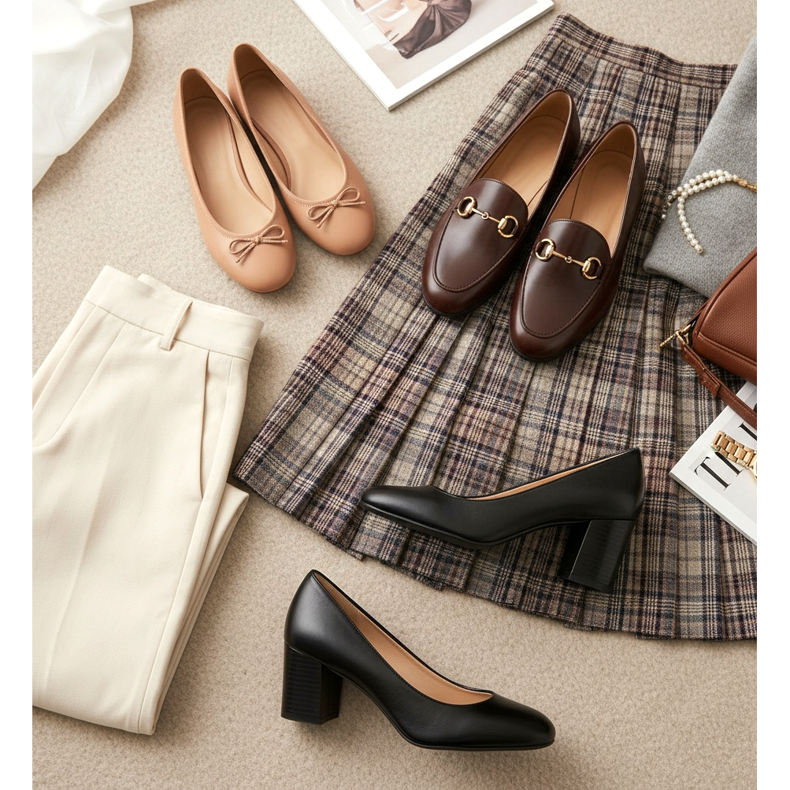
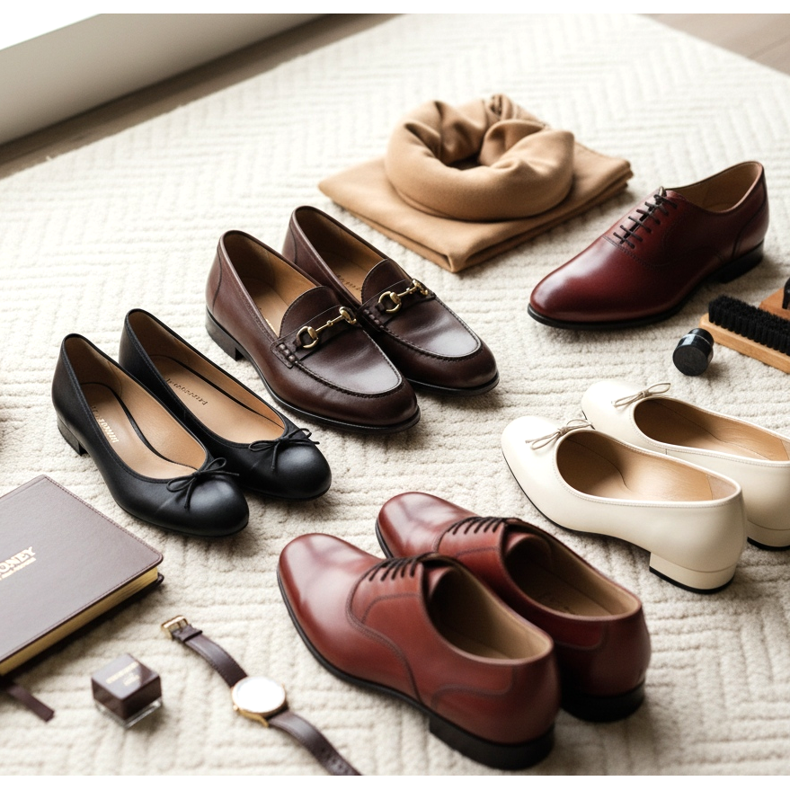
For women, the pillars of old money footwear are three types of shoes. First of all, ballet flats - preferably in nude, black or burgundy. This is the style icon of Jackie Kennedy and Audrey Hepburn, a symbol of effortless cashmere elegance. Wear them with straight, high-waisted trousers, pleated midi skirts and cashmere sweaters.
Secondly, loafer loafers - penny loafers or horsebit loafers in cognac or dark brown. These are probably the most old money shoes that exist. They combine comfort with elegance and match both chinos and a shirt dress.
Thirdly, classic medium-heeled pumps (5-7 cm) - in black or nude. Avoid extreme high heels and platforms - the old money is moderation in everything.
Old money men's style - gentleman's shoes
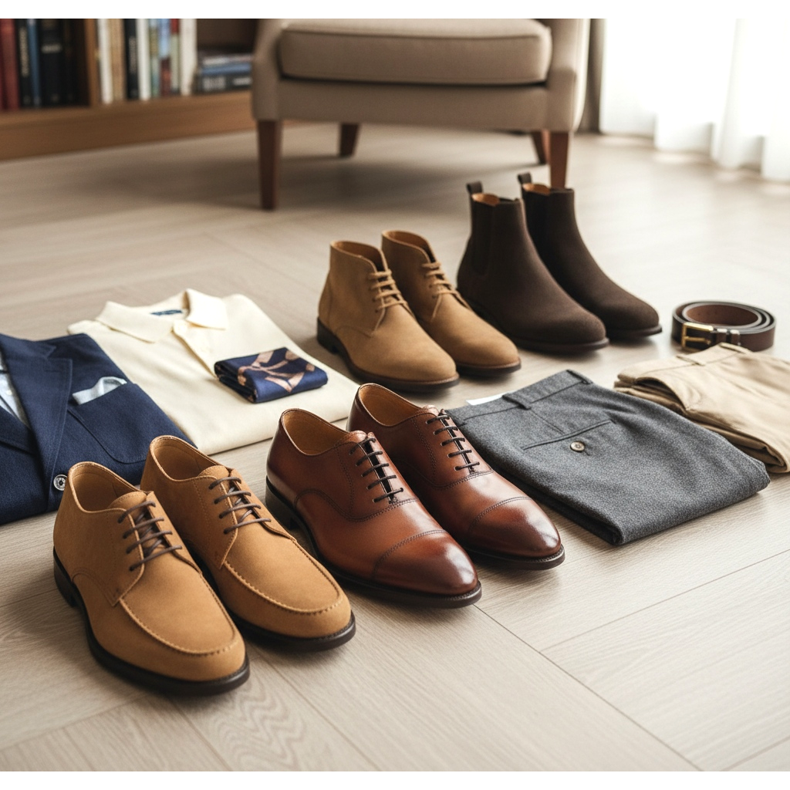
Three classics dominate the old money men's wardrobe. Penny loafers made of suede or smooth leather are an absolute must - worn without socks in summer, with woolen trousers and a jacket in autumn. Cognac or burgundy color adds warmth and depth to the styling.
The second must-have is Oxford or Derby shoes made of smooth, polished leather. Oxford with a closed lace for formal occasions, Derby with an open lace for everyday wear - this subtle difference is the detail that distinguishes an expert from an amateur.
The third pair are suede desert boots or Chelsea boots in sand, olive or dark brown. These are shoes for weekend outings - they make a perfect set with chinos, polo shirts and a linen jacket.
Old money style rules in footwear - what to avoid and what to focus on
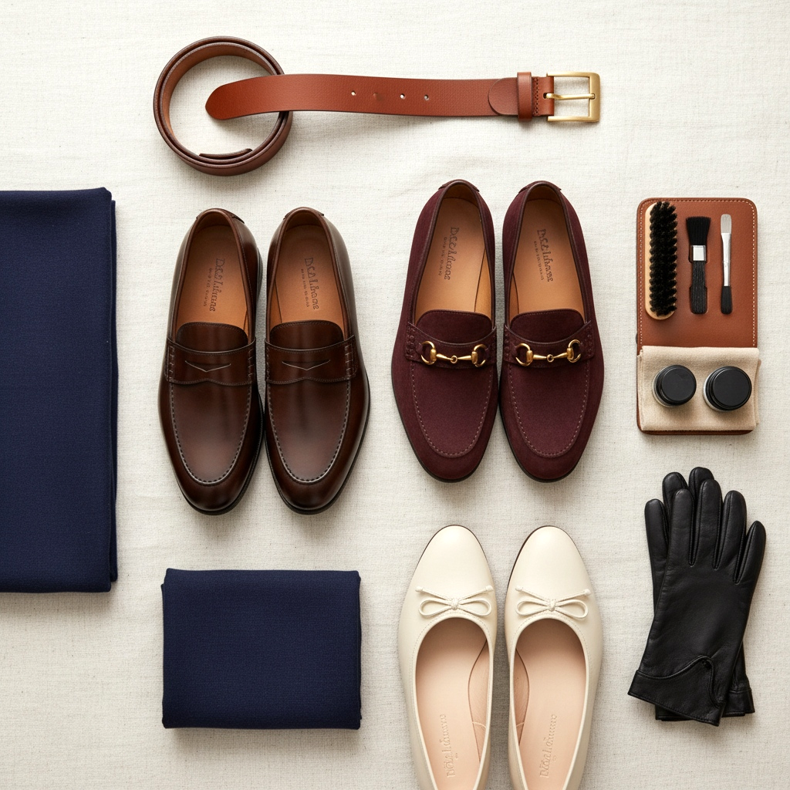
Colors: Stick to a neutral palette - black, ivory white, nude, cognac, dark brown, burgundy, navy blue. Avoid neon, metallic and flashy color combinations.
Materials: Natural leather and suede are an absolute must. The quality of the leather is crucial - it should be soft, matte and pleasant to the touch.
Details: Minimalism is king. No visible logos, massive buckles, chains or studs. The only acceptable ornament is the classic horsebit buckle or penny slot in loafers.
Shoe condition: This is perhaps the most important rule - old money shoes are ALWAYS well-kept. Polished, scratch-free, with clean soles. Regular cleaning, impregnation and polishing are a ritual, not an option.
Summary – elegance that doesn't scream
Old money style in footwear is, above all, an investment in quality and timelessness. Instead of chasing new trends, choose classic models that looked elegant 50 years ago and will look elegant in another 50. Loafers, ballet flats, medium-heeled pumps, oxfords - these are shoes that never go out of fashion.
Remember that true luxury does not require a price tag. Well-selected natural leather shoes, bought at a reasonable price and properly cared for, can look as exclusive as models costing several thousand zlotys. Visit our store for classic footwear models in timeless styles and colors!