
Minimalist shoe wardrobe – capsule wardrobe for your feet
A minimalist shoe wardrobe is a well-thought-out collection of several or a dozen pairs of high-quality shoes that cover all needs. Instead of dozens of pairs collecting dust, you invest in less, but better. Discover how to build the perfect capsule wardrobe for your feet!
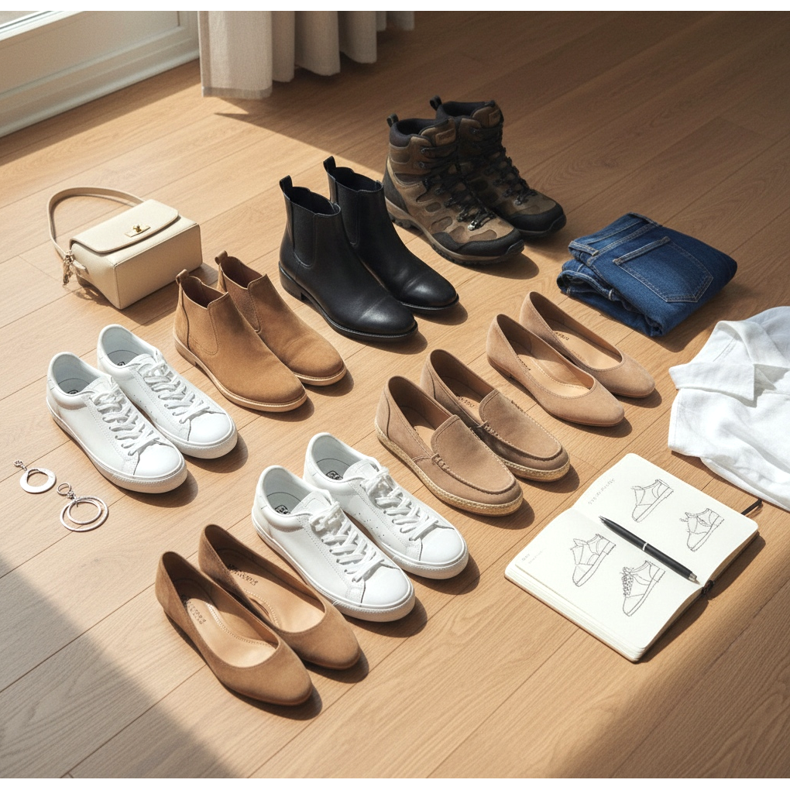
Capsule wardrobe – minimalism in the approach to footwear
In the era of excess and fast fashion, more and more women are turning to minimalism. The concept of a capsule wardrobe is winning the hearts of fashionistas all over the world. But how do you apply this philosophy to footwear?
A minimalist shoe wardrobe is a well-thought-out collection of several or a dozen pairs of shoes that are universal enough to cover all needs - from everyday activities to special occasions. Instead of dozens of pairs that you rarely wear, you invest in a smaller number of high-quality shoes that you really love.
The benefits of a minimalist approach are numerous. You save money by buying less but better. You save time in the morning by having fewer options to choose from. You reduce your carbon footprint by giving up excessive consumption. And above all, you always look stylish because each pair in your collection is carefully selected.
In this guide, we'll show you how to build a minimalist shoe wardrobe, which models are essential, and how to make sure they last for years.
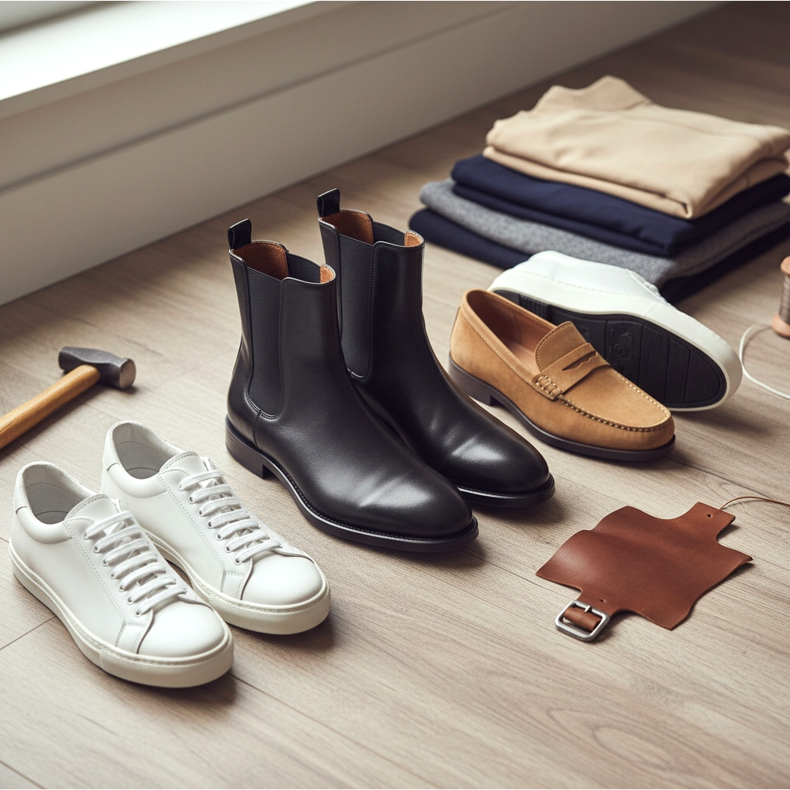
Quality over quantity – the foundations of a minimalist wardrobe
The key to a successful capsule wardrobe is investing in high-quality shoes. Here are the features worth paying attention to.
Natural leather it is the most durable material. Well-made leather shoes can last a decade or more with proper care. The initial higher price pays off many times over in terms of durability.
Solid construction – check the seams, gluing of the sole, quality of zippers and fasteners. Well-made shoes have even, strong seams and securely attached components.
Comfortable insert should be made of natural leather or breathable material. Anatomically shaped, it ensures comfort throughout the day.
Flexible sole adapts to the movements of the foot. A sole that is too stiff is tiring when walking.
Classic design survives changing trends. Avoid too avant-garde styles that will quickly go out of fashion. Choose timeless lines and proportions.
Neutral colors – black, brown, beige, navy blue – they match most styles and are the foundation of a minimalist wardrobe.
Reputable producers they often offer better quality and a longer warranty. It is worth investing in brands known for solid craftsmanship.
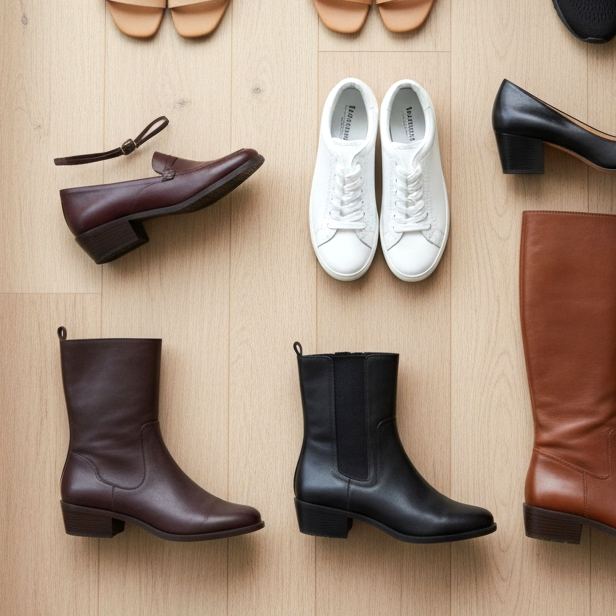
Essential models – the foundation of the collection
How many pairs of shoes do you really need? Depends on your lifestyle, but most women function perfectly well with 8-12 pairs. Here is the proposal for the basic collection.
1. White sneakers – universal everyday shoes that match jeans, dresses and trousers. Choose a classic, minimalist model made of leather.
2. Black pumps with a medium heel - necessary for the office and for larger occasions. A block or block heel is more comfortable than a stiletto.
3. Flat ballet flats in a neutral color - an elegant alternative to sneakers for warmer days.
4. Black ankle boots low heels – the basis of the autumn-winter wardrobe. They match everything.
5. Brown boots – a warm option for winter that changes the character of the styling compared to black.
6. Elegant sandals with a small heel - for summer parties and dates.
7. Flat sandals or flip-flops – for daily summer walks.
8. Moccasins or loafers – versatile shoes for transitional seasons.
Optional: sports shoes for exercise, elegant high heels for special occasions, comfortable rain boots for rainy days.
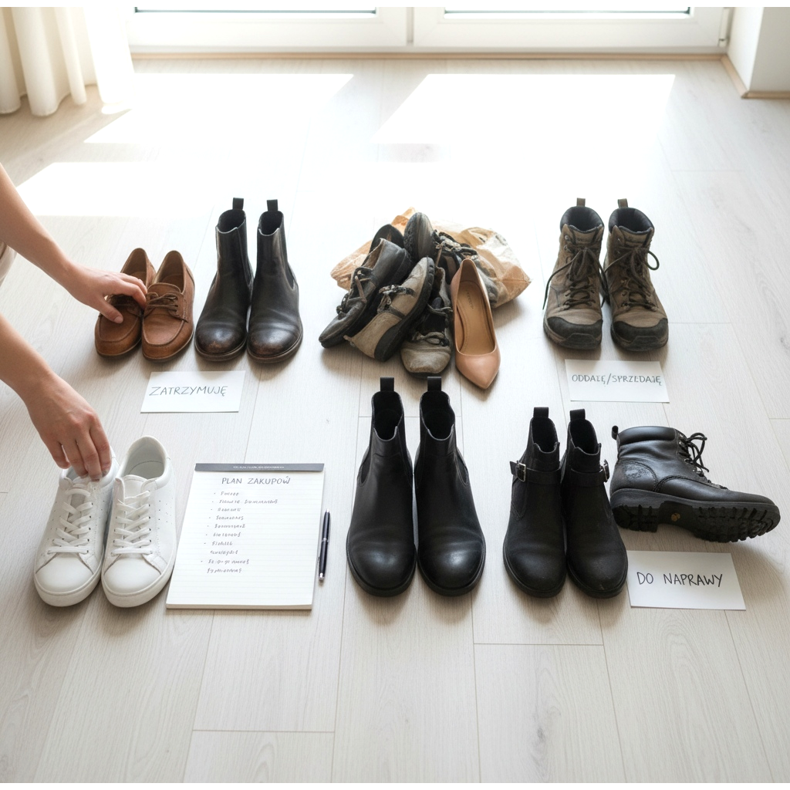
How to build a minimalist shoe wardrobe?
Switching to a minimalist shoe wardrobe requires a thoughtful approach. Here are the steps to help you with this process.
Step 1: Inventory – take all the shoes out of the closet and evaluate each pair. Are they comfortable? Do you wear them? Are they in good condition? Do they fit your current lifestyle?
Step 2: Selection – divide shoes into three categories: I keep them, I give them away/sell them, and I need them repaired. Be ruthless - if you haven't worn a pair in a year, you will probably never wear them.
Step 3: Identification of gaps – compare what is left with the list of necessary models. What are you missing? What needs replacing?
Step 4: Planning your purchases – create a list of shoes to buy. Don't buy everything at once - spread your purchases over time, choosing the best quality you can afford.
Step 5: Conscious shopping – with every purchase, ask yourself: does this shoe match at least 3 things in my wardrobe? Is it comfortable? Will it last for many seasons?
Step 6: Maintenance – take care of the shoes you have. Regular care will extend their life and help you avoid unnecessary purchases.
Colors in a minimalist shoe wardrobe
The success of a minimalist shoe wardrobe lies in the right selection of colors. Here are proven strategies.
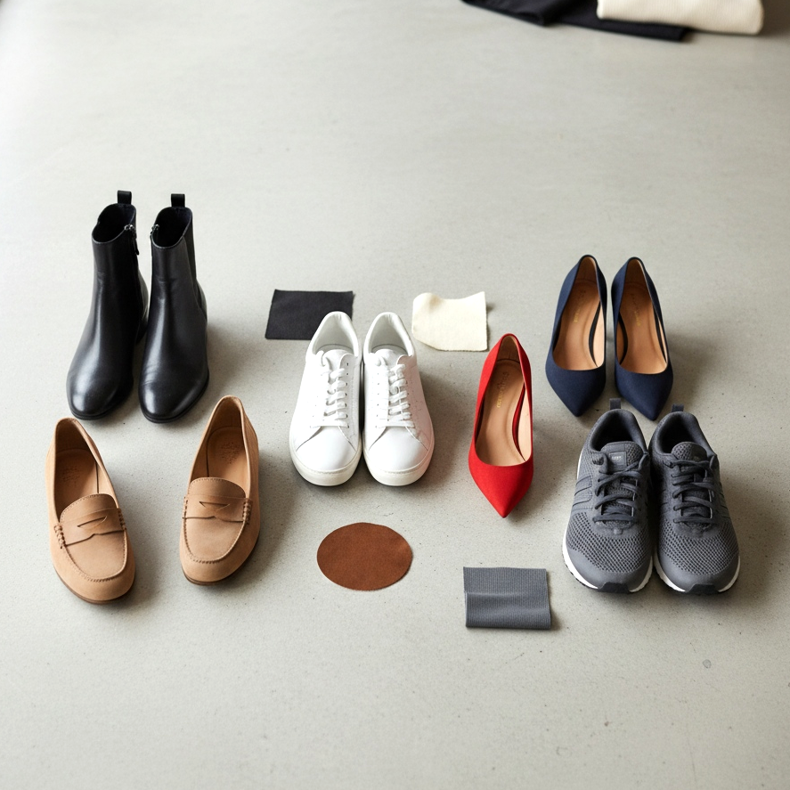
Neutral base – most shoes should be in neutral colors: black, brown, beige, navy blue, gray. These shades match virtually everything in your wardrobe.
Black vs brown – mixing black and brown was traditionally avoided, but modern fashion allows it. Nevertheless, in a minimalist wardrobe it is worth deciding which of these colors dominates. If your wardrobe is based on cool colors, choose black. For a warm palette – choose browns.
White as a universal – white sneakers match both cool and warm color palettes. This is the most universal color in footwear.
One color accent – if you like color, allow yourself one pair in a distinctive shade. Red high heels, green loafers or burgundy ankle boots can liven up neutral stylings.
Textures as variety – instead of many colors, play with textures. Smooth leather, suede, varnish, mesh - the variety of textures adds depth to the collection in neutral colors.
Care – the key to longevity
In a minimalist wardrobe, every pair of shoes must be in perfect condition. Here's how to care for them.
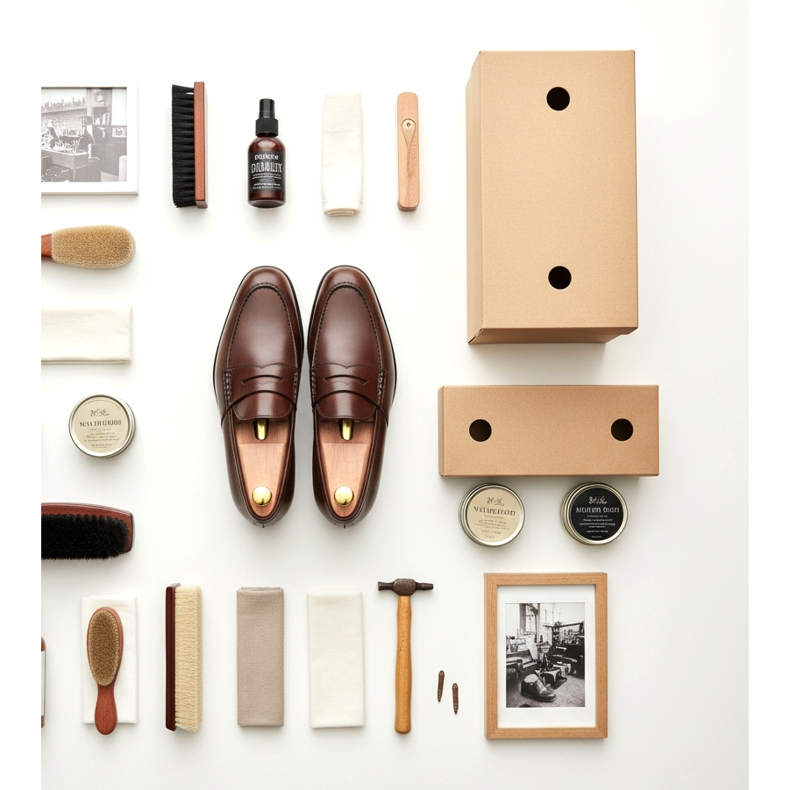
Routine care – after each wearing, wipe the shoes and let them "rest" a day before the next use. Regular impregnation and polishing will extend the service life.
Proper storage – use shoe trees, store shoes in boxes with appropriate ventilation holes. Protect from light and moisture.
Quick repairs – do not delay in replacing the soles or repairing the sole. Small repairs prevent larger damage.
Professional renovation – invest in professional cleaning and renovation once a season. A good shoemaker can bring shoes back to life.
Seasonal storage – before storing your shoes for the next season, clean and condition them thoroughly. Store in a cool, dry place.
Replacement, not repair – some damage means the end of the shoe's life. Know when repairs don't make sense and plan for replacement.
Summary – less is more
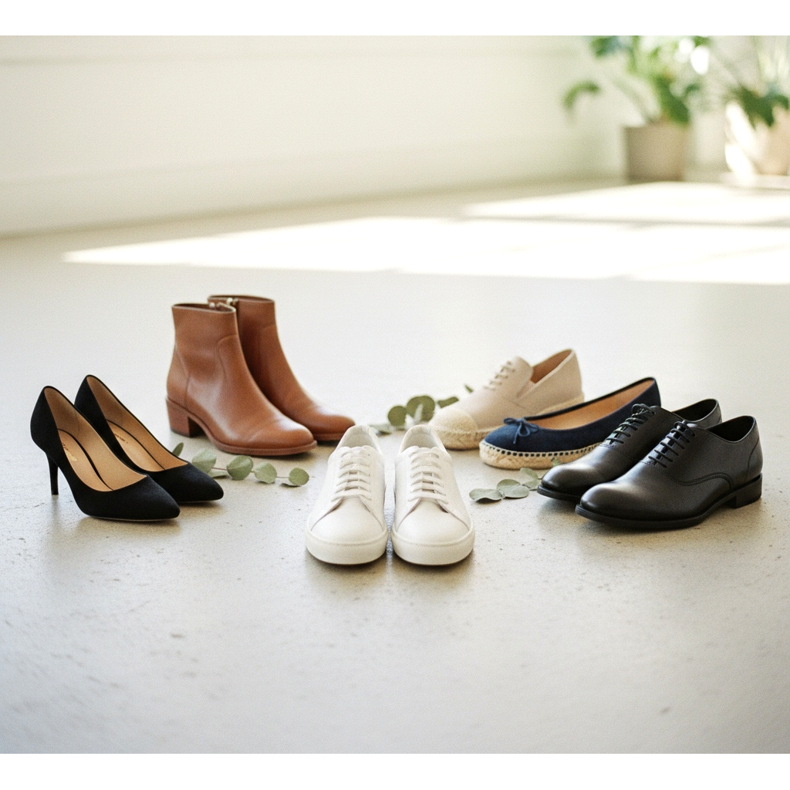
A minimalist shoe wardrobe is not just a trend - it is a change in the approach to fashion and consumption. Instead of accumulating dozens of pairs, you invest in a thoughtful collection of high-quality shoes that you actually wear and love.
The benefits are multi-dimensional: you save money in the long run, reduce the stress of choosing, care for the environment and always look elegant.
Remember that minimalism is a process, not a one-time revolution. Allow yourself to gradually build the perfect collection. Don't throw everything away at once - give away or sell what you don't need. Buy consciously, choosing quality over quantity.
Your minimalist shoe wardrobe should reflect your lifestyle. If you work in a corporation – you need more elegant shoes. If you lead an active lifestyle, choose comfortable models. Adapt the base collection to your real needs.
Less is more. Discover the joy of having a smaller but better shoe collection. Your feet – and your wallet – will thank you!