
Men's shoes - differences between countries of production (Italy, UK, Spain, Asia)
Italy, Great Britain, Spain or Asia? The country where the shoes are produced has a huge impact on quality, style and price. Get to know the characteristic features of shoes from different countries and find out which shoemaking tradition best suits your needs.
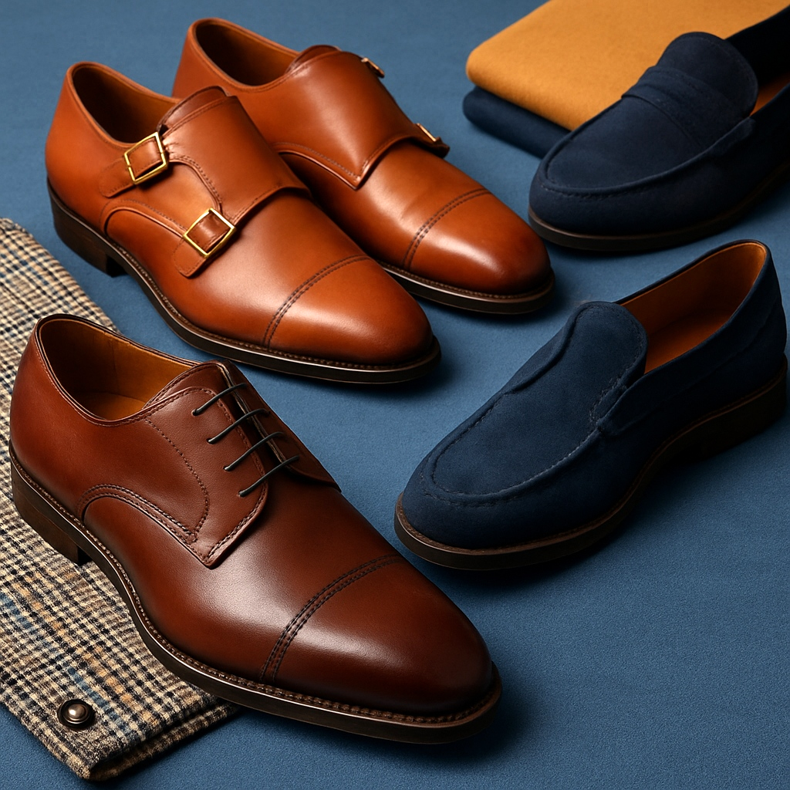
Why does the country of production matter?
Men's shoes can cost from several dozen to several thousand zlotys. One of the key factors influencing price and quality is where they are produced. The country of origin often determines not only the quality of workmanship, but also the style, materials used and shoemaking tradition.
Italy is famous for elegance and sophistication, Great Britain for classic workmanship and durability, Spain offers excellent value for money, Portugal is becoming more and more recognizable and Asia dominates in mass production.
In this guide, you will learn the distinctive features of shoes from different countries and which shoemaking tradition best suits your needs.
Italy - elegance and sophistication
Characteristic:
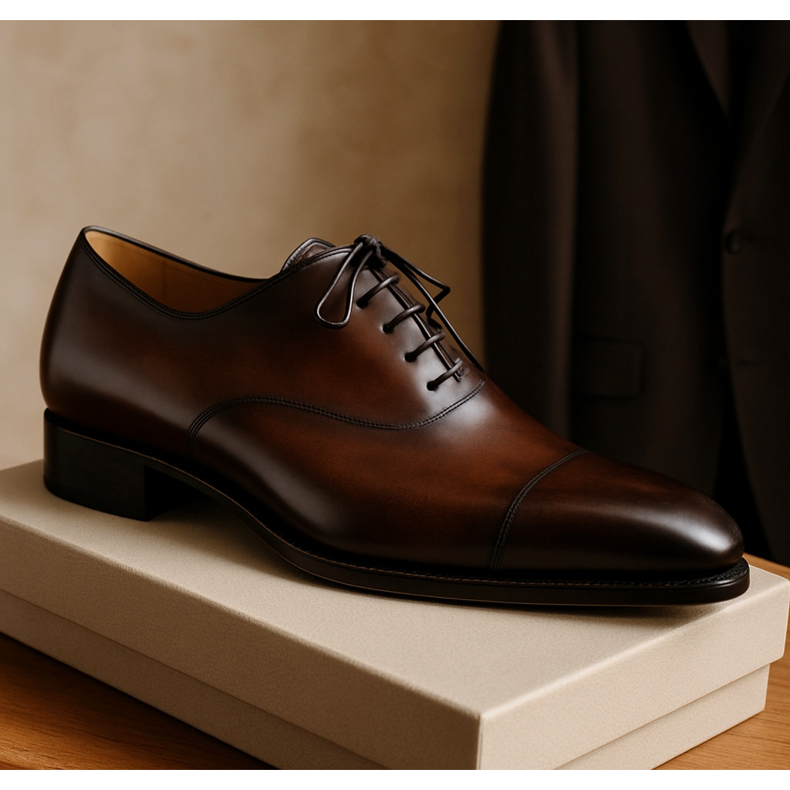
- Slim, elongated silhouette (narrow toe, high instep)
- Elegance and refinement of form
- Luxurious materials: calfskin, cordovan, exotic leathers
- Blake construction - lighter, more flexible
- Minimalist decorations, focus on clean lines
Pros:
The most beautiful aesthetics - true works of art
Luxurious finish and details
Prestigious brands with a long tradition
Light and elegant
Cons:
Very high prices
Narrow cut - not for wide feet
Blake construction is less durable than Goodyear Welted
They require delicate maintenance
Popular brands:
Santoni, Berluti, Testoni, Magnanni (Italian production), Fratelli Rossetti, Silvano Lattanzi, Stefano Bemer (bespoke)
For whom:
People who value aesthetics and elegance above all else, ready to pay a premium for appearance and prestige.
Great Britain - tradition and durability
Characteristic:
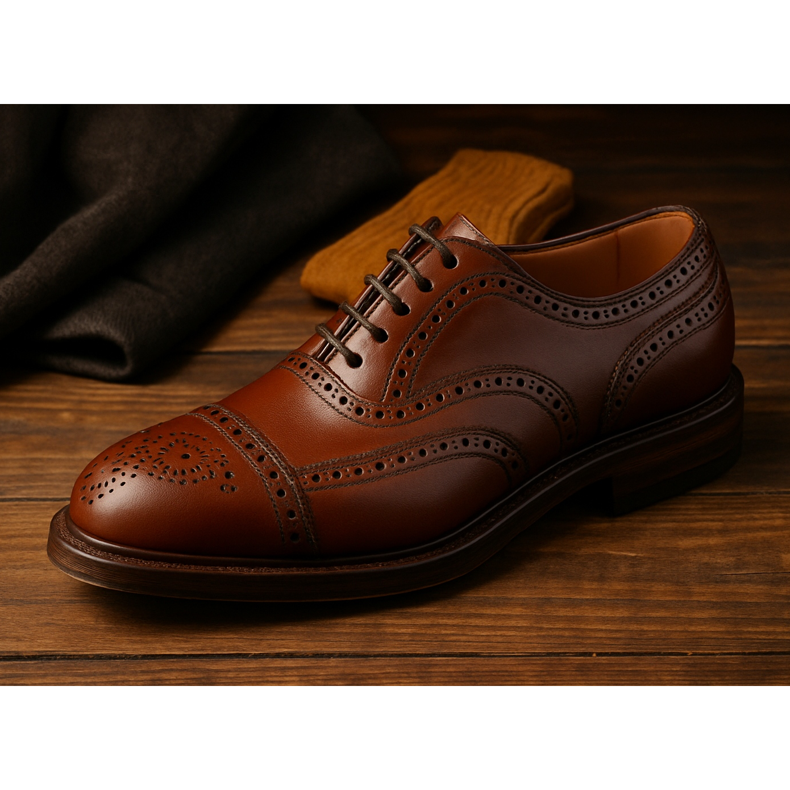
- Solid, classic Goodyear Welted construction
- Wider cut, greater comfort for different types of feet
- Thicker leather, more durable
- Traditional decorations: broguing, medallions
- Focus on durability and functionality
Pros:
Exceptional durability - can last for decades
Possibility of repeated resolting
Wider cut - more comfortable for most feet
Classic, timeless style
Good value for money (compared to Italy)
Cons:
Heavier than Italian shoes
Require break-in period
Less striking look - more conservative
Higher prices than Spanish counterparts
Popular brands:
Crockett & Jones, Church's, Tricker's, Cheaney, Loake (various price lines), Edward Green, John Lobb (top tier), Grenson, Barker
For whom:
People who value durability, classic style and solid workmanship. Perfect for owners of wider feet.
Spain - quality at a reasonable price
Characteristic:
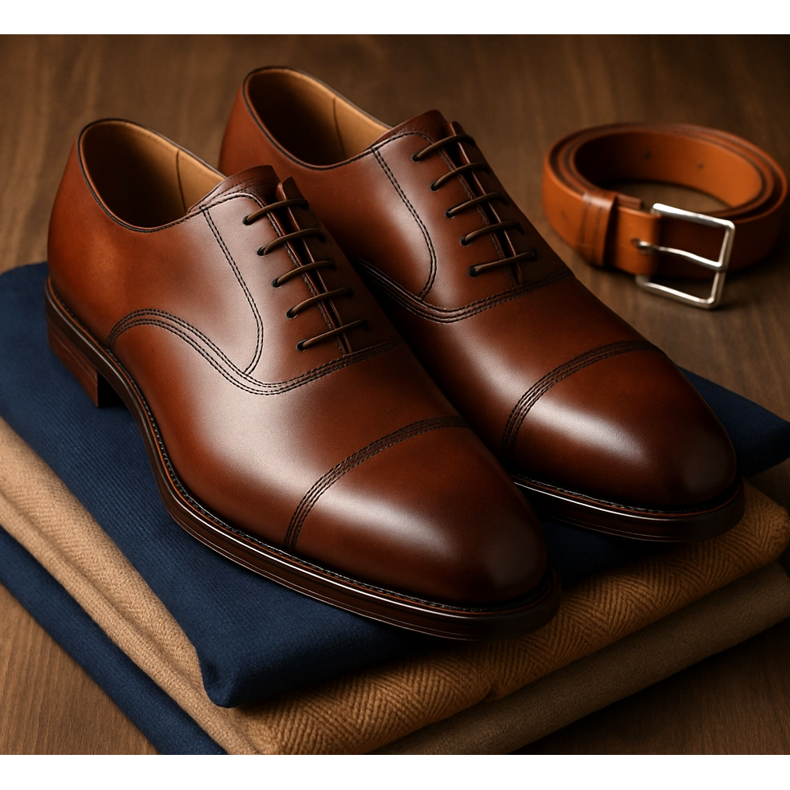
- A perfect compromise between Italian elegance and British solidity
- Goodyear Welted at more affordable prices
- Good quality leather
- Modern design with respect for tradition
- Growing recognition on the international market
Pros:
The best value for money
Solid construction (often Goodyear Welted)
Elegant look similar to Italian
Comfortable cut (wider than Italian, narrower than British)
Easier available than Italian and British brands
Cons:
Lower brand prestige than Italian or British ones
Sometimes lower quality materials than in top tier brands
Fewer bespoke/MTO options
Popular brands:
Meermin (best value), Carmina, Yanko, Berwick 1707, Norman Vilalta, TLB Mallorca
For whom:
People looking for high-quality shoes at reasonable prices. The perfect entry point into the world of premium footwear.
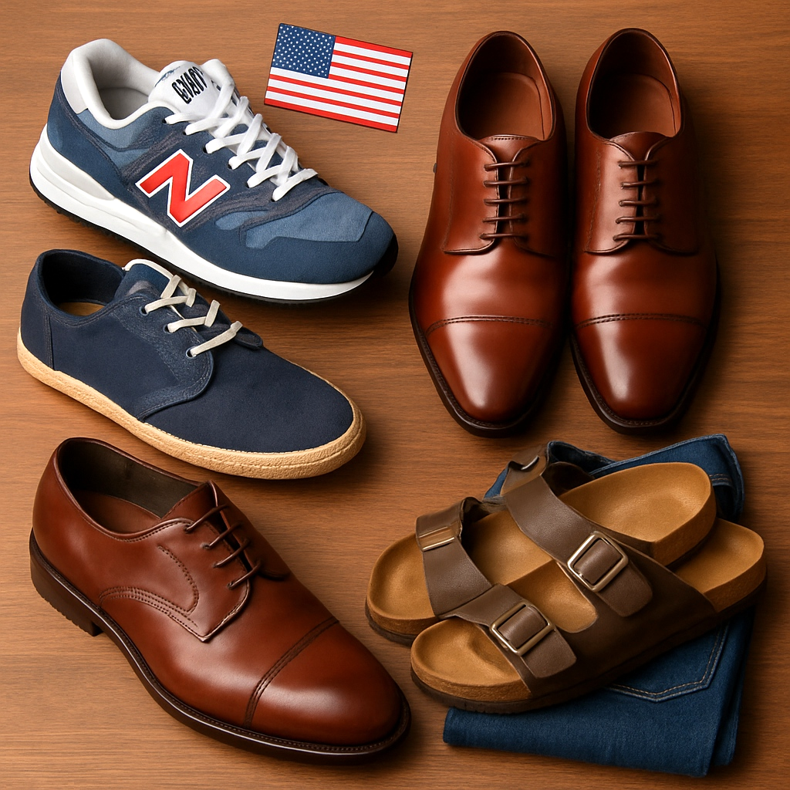
USA and other countries
USA - innovation and sports:
Sports tradition - the best sneakers and sports shoes. Focus on technology and innovation. Brands: Allen Edmonds (formal shoes), Alden (cordovan specialists), Nike, New Balance (sports shoes).
Portugal - emerging player:
Increasing quality of production, they often produce for well-known Western brands. Very good value for money. Brands: Carlos Santos, Atelier do Sapato.
Asia (China, Vietnam, Bangladesh):
Mass production for global brands. Low production costs = low prices. Often lower quality of materials and workmanship. Sufficient for occasional use.
Other countries:
- Germany: Solid workmanship, focus on comfort (Birkenstock, Lloyd)
- France: Luxury haute couture brands (Berluti, JM Weston)
- Poland: Growing quality, good local brands (Conhpol, Gino Rossi premium)
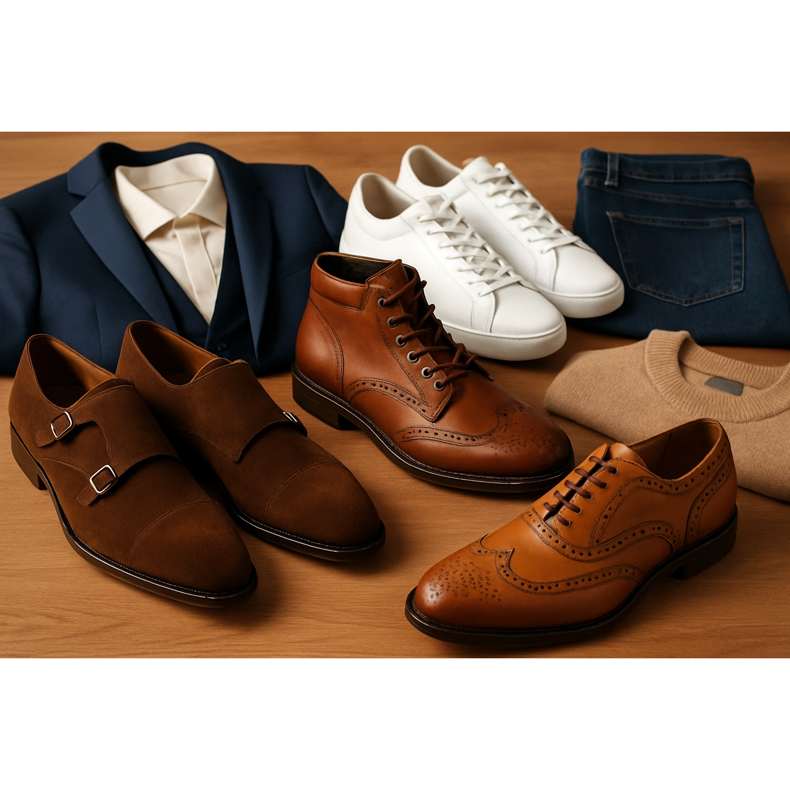
Which country should I choose?
For maximum elegance and prestige: Italy or France (haute couture)
For durability and classic: Great Britain
For the best value for money: Spain
For a medium budget: Portugal, Poland
For sneakers and sports shoes: USA (brands), global production
For the cheapest options: Asia (mass production)
Universal advice:
Instead of buying 5 pairs of cheap Asian shoes, invest in 2 pairs of Spanish or Portuguese shoes - they will be more comfortable, more durable and ultimately cheaper in the long run.
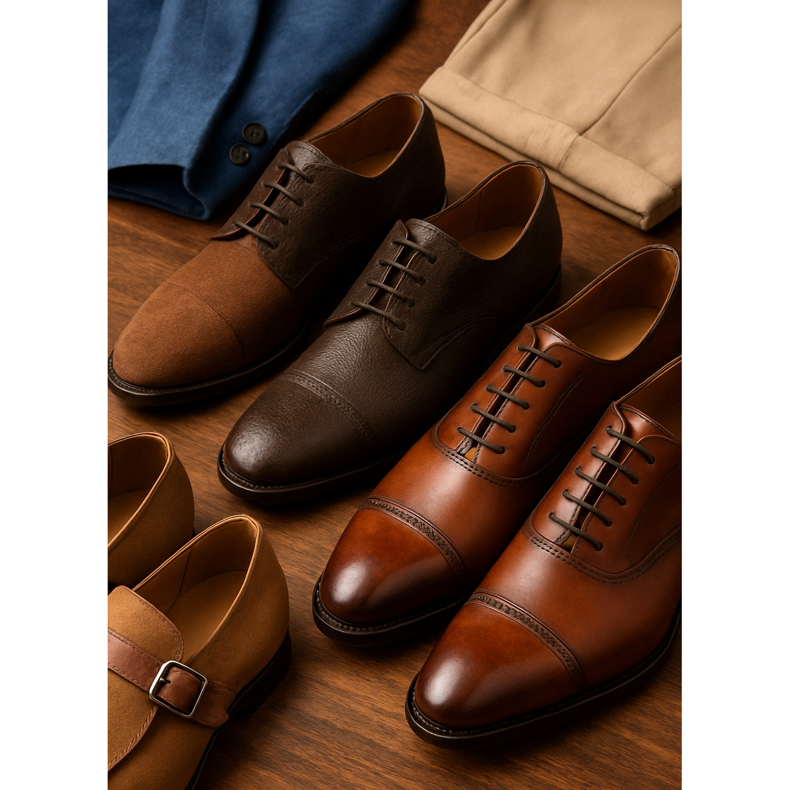
Summary
The country where the shoes are manufactured matters, but it is not the only factor. What is more important is the combination of origin, design, materials and price.
Italian shoes delight with their aesthetics, British ones with durability, and Spanish ones offer the best value for money. The choice depends on your priorities - whether you value elegance, durability or budget.
Regardless of the origin, always check the construction (Goodyear Welted is a guarantee of quality), materials (full-grain leather) and user reviews.