
Men's shoes and dress code - how to choose shoes for the level of formality?
Dress code is a set of rules defining appropriate attire for a given occasion. Explore all levels of formality - from White Tie to Casual - and what shoes to choose for each. A practical guide to men's dress codes.
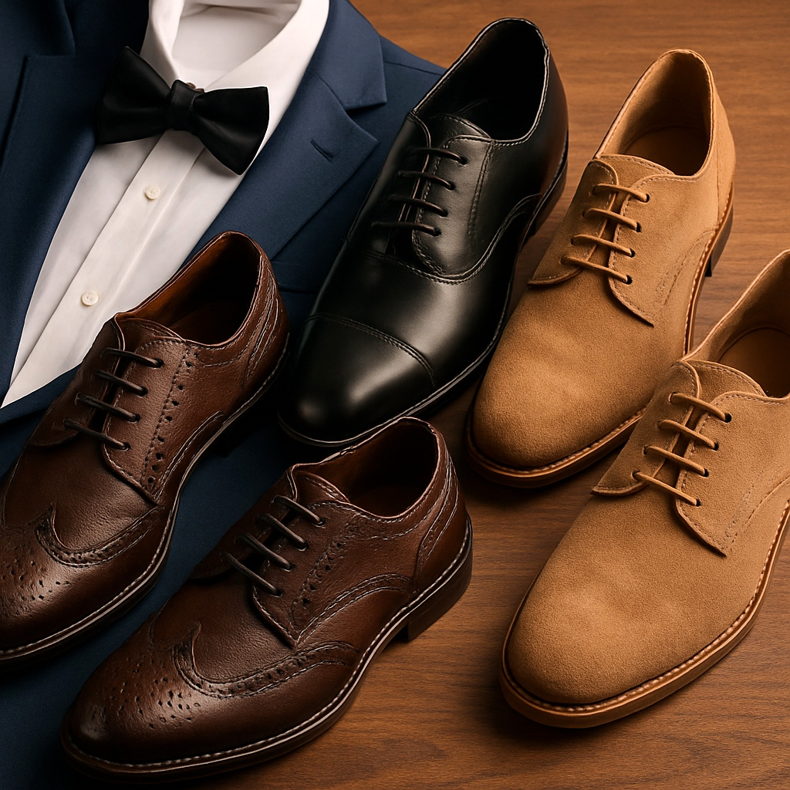
Why is knowing the dress code important?
Dress code is a set of rules specifying how to dress for a specific occasion. In the world of men's fashion, there are several levels of formality - from the most casual Casual to the extremely formal White Tie. Shoes play a key role in following these rules.
Improperly selected footwear can ruin even the best-tailored suit and make you feel uncomfortable at the event. On the other hand, knowledge of dress codes allows you to move confidently in any situation.
In this guide, you'll explore all levels of formality and what shoes to choose for each of them.
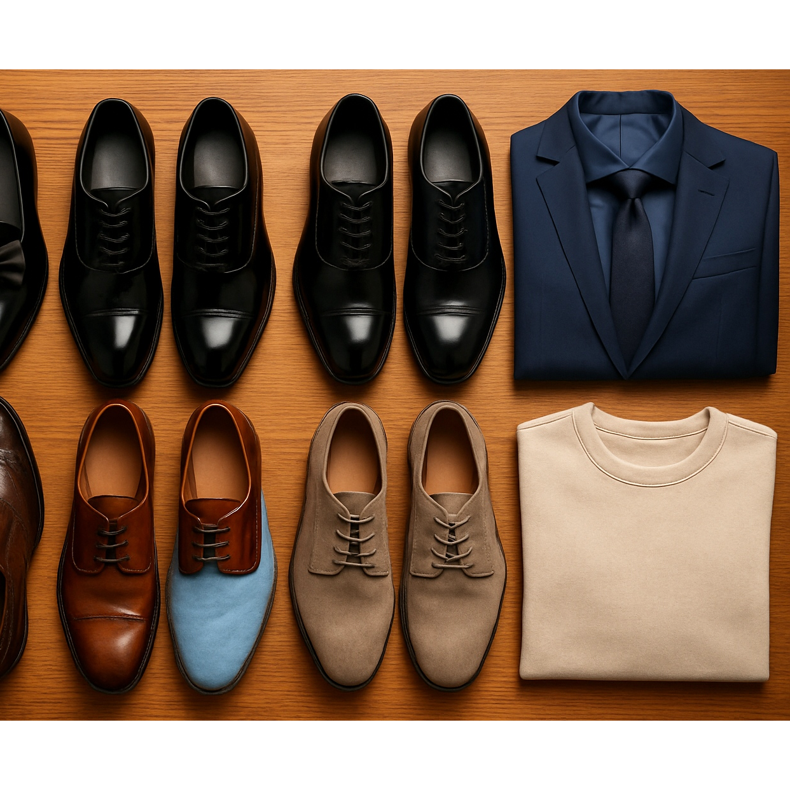
Dress code levels - an overview
Levels of formality (from most to least formal):
1. White Tie — the highest level of formality
2. BlackTie — very formal
3. Black Tie Optional — formal with some casualness
4. Attire cocktail — elegant and sociable
5. Business Formal/Corporate — business formal
6. Business Casual — informal business
7. Smart Casual — elegant-casual
8. Casual — casual
9. Athletics — sporty and casual
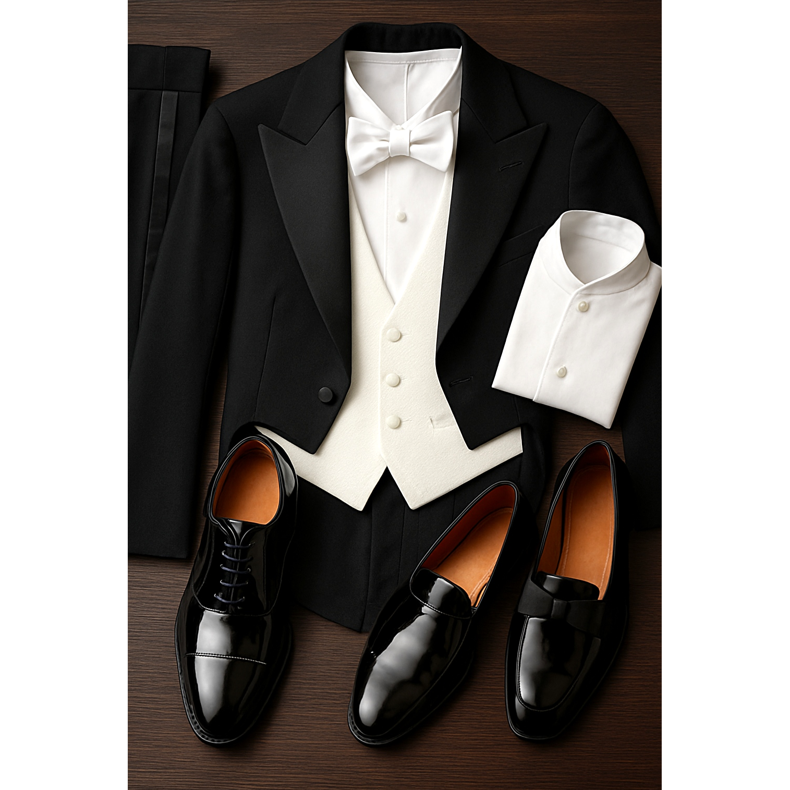
White Tie - the highest level of formality
What is: The highest level of formality - balls, galas, opera, official state ceremonies.
Outfit:
- Tailcoat in black
- White vest
- White shirt with stiff trim
- White bow tie
- Black patent trousers
Shoes:
✓ Black patent oxfords (Patent leather Oxfords)
✓ Black lacquered opera pumps (without laces, with grosgrain ribbon)
✗ Everything else
Attention: White Tie is an extremely rare dress code - most men will never encounter it.
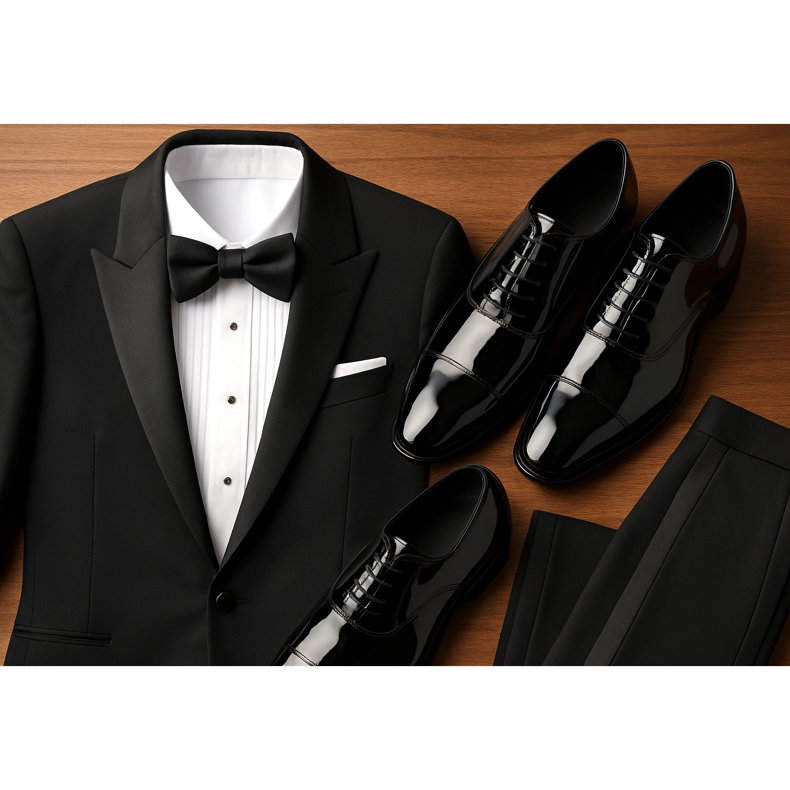
Black Tie - Very formal
What is: Very formal events - elegant weddings, galas, business dinners, concerts, premieres.
Outfit:
- Tuxedo (tuxedo) in black or dark granite
- Black bow tie
- White tuxedo shirt (with pleats or plain)
- Black vest or kummerbund
- Black tuxedo pants with stripes
Shoes:
✓ Black patent oxfords (best)
✓ Black smooth Oxfords (perfectly acceptable)
✗ Brown shoes (never!)
✗ Derby shoes, moccasins, sneakers
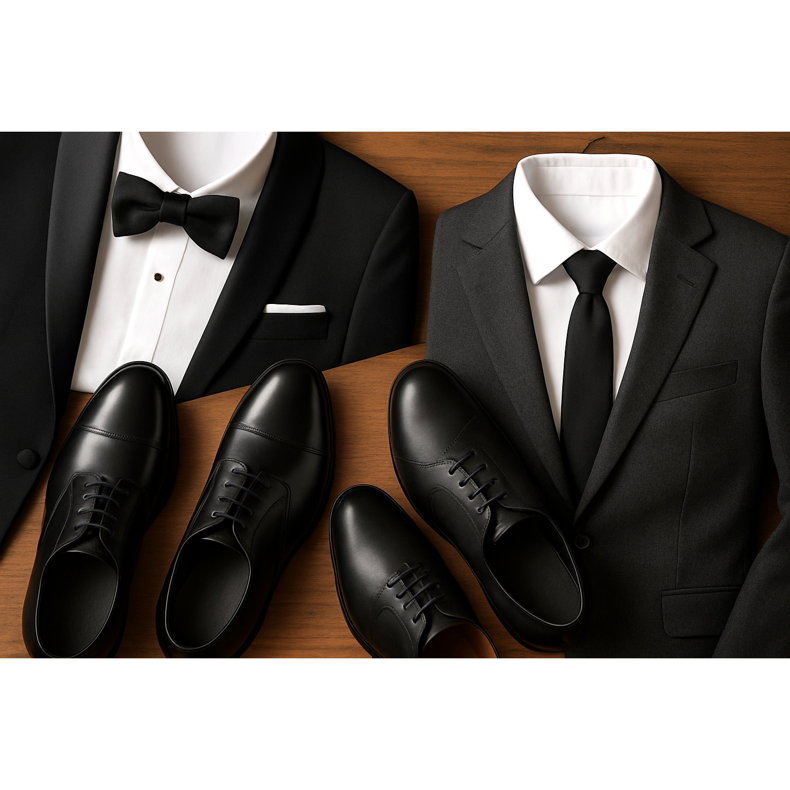
Black Tie Optional
What is: Formal with the option of a less formal alternative - elegant weddings, dinners, corporate events.
Outfit (Option 1 - Tuxedo):
Like Black Tie
Outfit (option 2 - dark suit):
- Dark suit (black, navy blue, dark gray)
- Tie or bow tie
- White shirt
Shoes:
✓ Black Oxfords (smooth or varnished)
✓ Black Derby (if not tuxedo)
○ Dark brown Oxfords (only with suit, not with tuxedo)
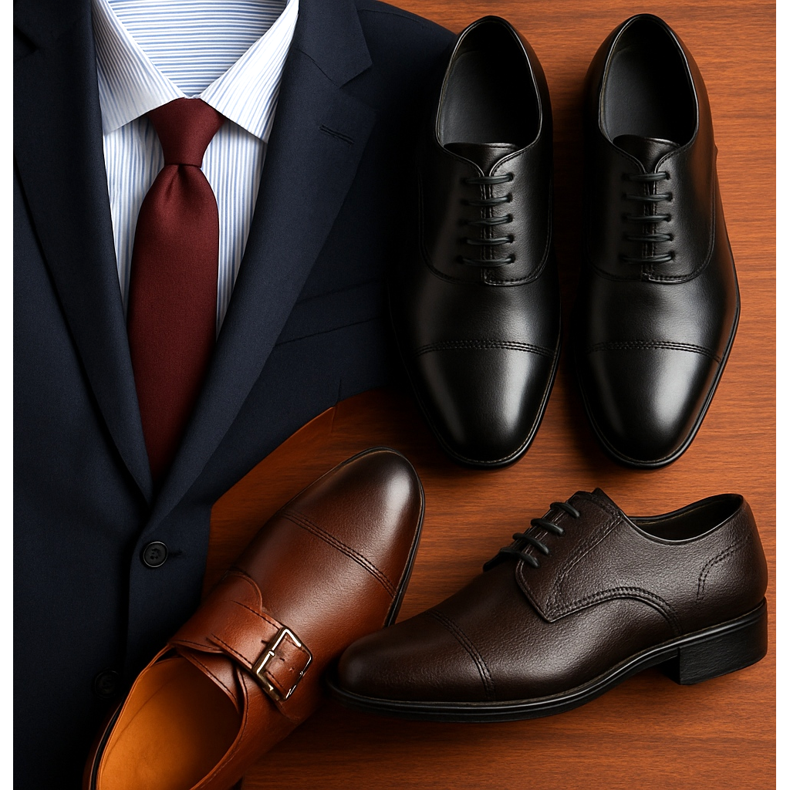
Attire cocktail
What is: Elegant evening social event - cocktails, receptions, dinners, community events.
Outfit:
- Dark or navy blue suit
- Shirt (can be colored)
- Tie (optional)
Shoes:
✓ Black or dark brown Oxfords
✓ Black or brown Derby
✓ Monk Strap (elegant alternative)
○ Loafers (for more casual cocktail events)
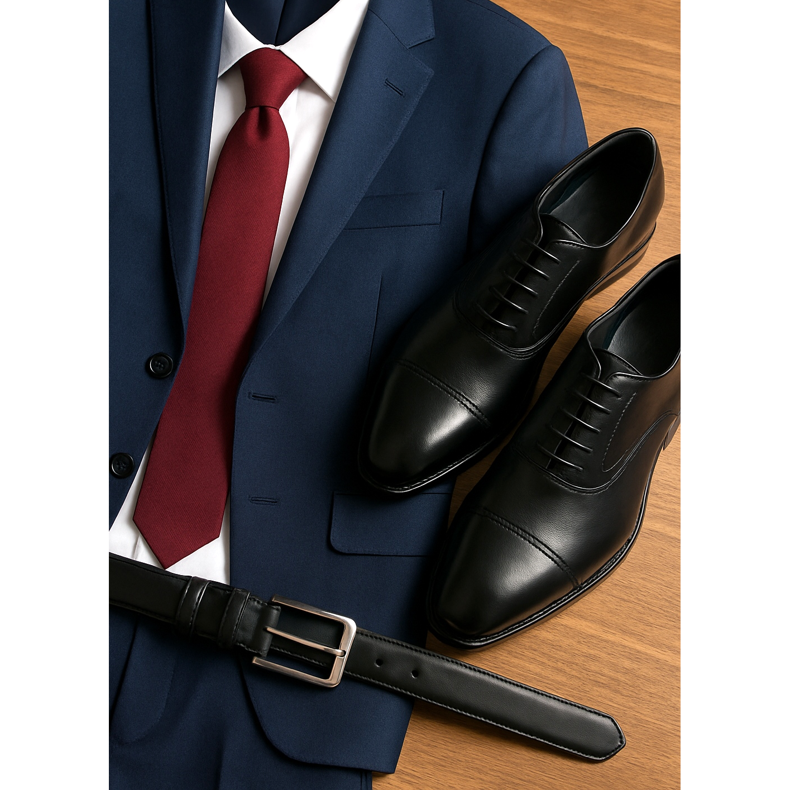
Business Formal/Corporate
What is: Standard dress code in corporations, banking, law firms, and meetings with clients.
Outfit:
- Suit (navy blue, gray, black)
- Shirt (white, light)
- Tie
- Strap to match the shoes
Shoes:
✓ Black Oxfords (safest)
✓ Black Derby
✓ Dark brown Oxford/Derby shoes (with navy blue or gray suit)
✗ Moccasins, sneakers, casual shoes
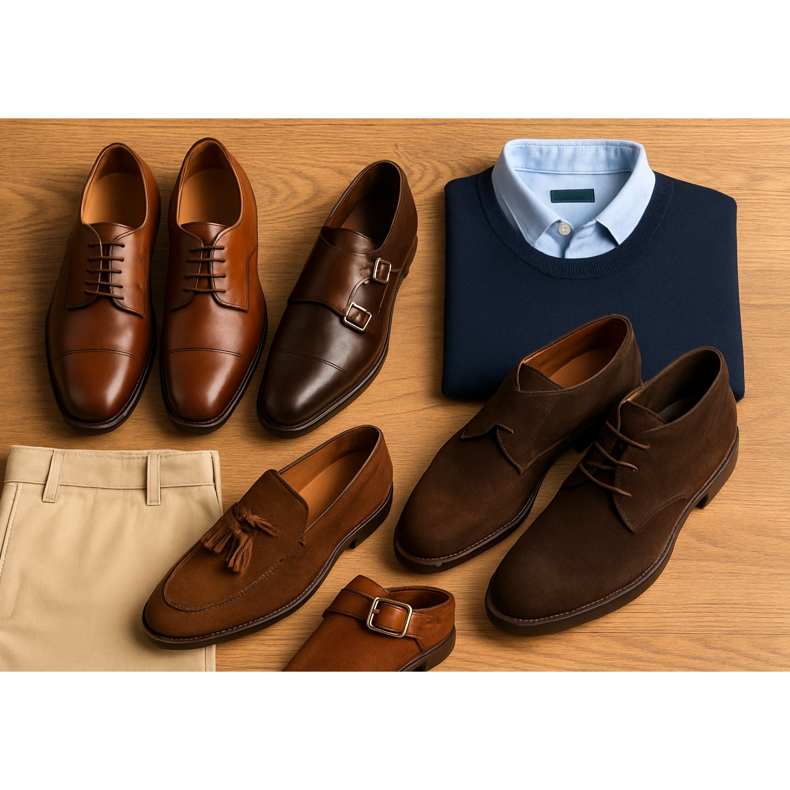
Business Casual
What is: Looser office dress code - startups, creative agencies, Fridays in corporations.
Outfit:
- Chinos or suit trousers (without jacket)
- Shirt (can be unbuttoned at the collar)
- Optional: sweater, jacket without tie
Shoes:
✓ Brown or black Derby
✓ Monk Strap
✓ Moccasins (penny loafers, tassel loafers)
✓ Chukka boots
○ Minimalist sneakers (in more casual companies)
Smart Casual
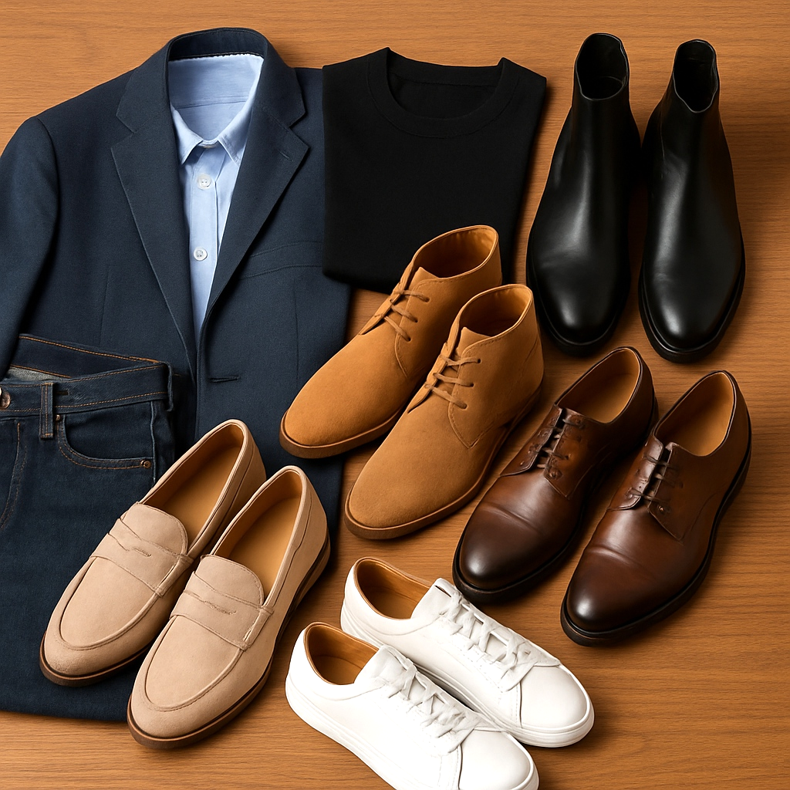
What is: Elegance with casual comfort - dates, dinners at restaurants, community events, informal business meetings.
Outfit:
- Jeans (dark, without holes) or chinos
- Shirt, polo or sweater
- Optional: jacket or blazer
Shoes:
✓ Moccasins
✓ Chelsea Boots
✓ Chukka boots / Desert boots
✓ Brown Derby
✓ Minimalist sneakers (white, black)
✗ Sports shoes, flip-flops, sandals
Casual
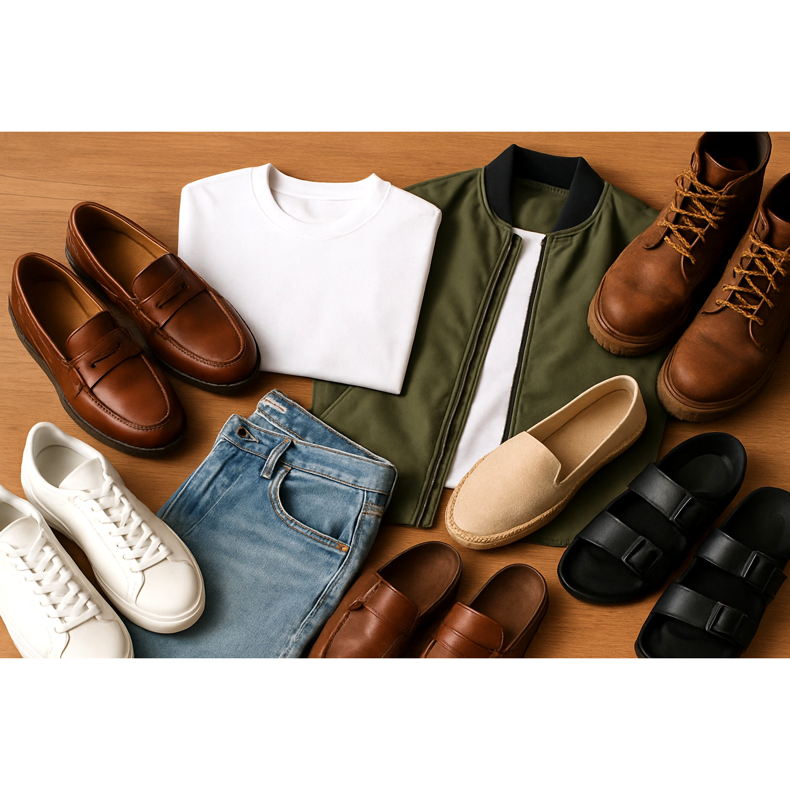
What is: Casual, everyday attire - weekends, walks, meetings with friends, shopping.
Outfit:
- Jeans
- T-shirt, polo, sweatshirt
- Jacket, bomber, parka
Shoes:
✓ Sneakers (all types)
✓ Moccasins
✓ Espadrilles (in summer)
✓ Sandals (summer, outdoors)
✓ Work boots, Dr. Doc Martens
✓ Virtually anything that is convenient
Practical tips
1. When in doubt, overdress
It's better to be too elegant than too casual. You can take off your jacket, but you can't suddenly dress better.
2. Check the dress code before the event
If the invitation does not specify - ask the organizer.
3. Match accessories
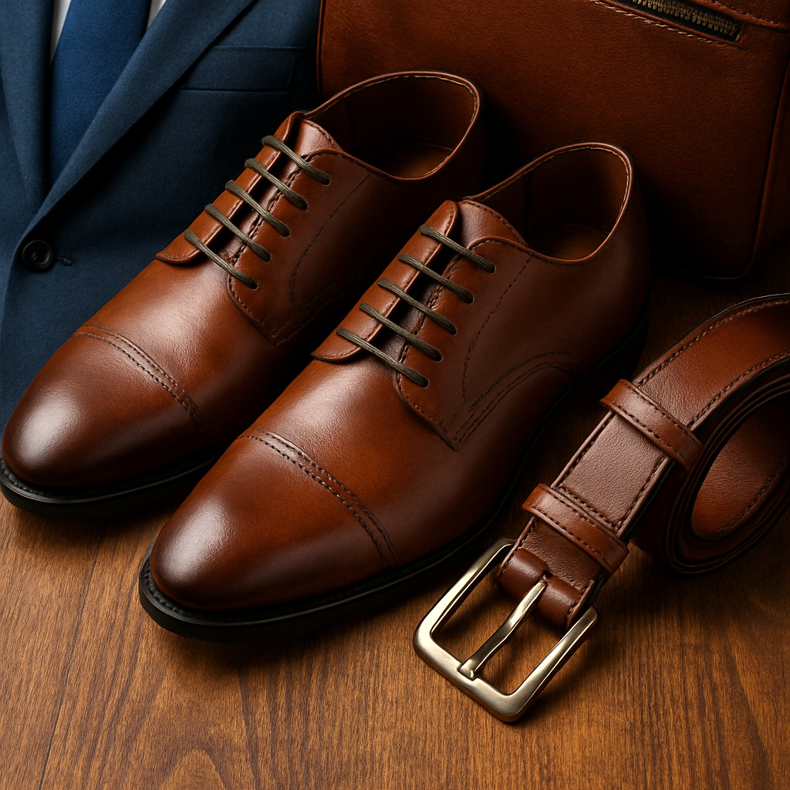
Shoes = belt = bag (same color and material).
4. Context matters
Cocktail attire on the beach ≠ cocktail attire at the hotel. Adapt to the place.
5. Culture matters
The dress code in the USA is more casual than in Europe. The dress code in Asia is more formal.
Summary
Knowledge of dress codes and the ability to choose the right shoes are the key to self-confidence on any occasion. Remember the basic rules: the more formal the event, the darker and more classic the shoes.
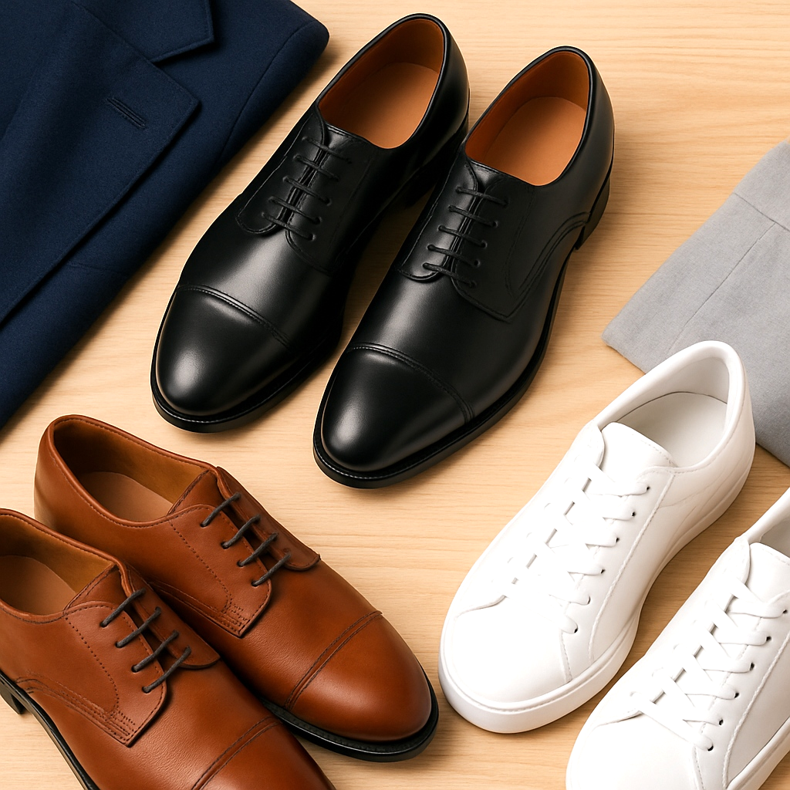
Black Oxfords will cover most formal situations. Add a brown Derby and white sneakers and you'll be prepared for 95% of the occasions.
When in doubt, choose the more elegant one. You can always adjust the level of formality down, but not up.