International shoe sizes - size grid for major brands
Shoe sizes vary between countries and brands. Get to know the main size systems (Polish, European, British, American, Japanese) and learn how to measure your foot correctly.
1. Introduction: chaos of sizes in the global market
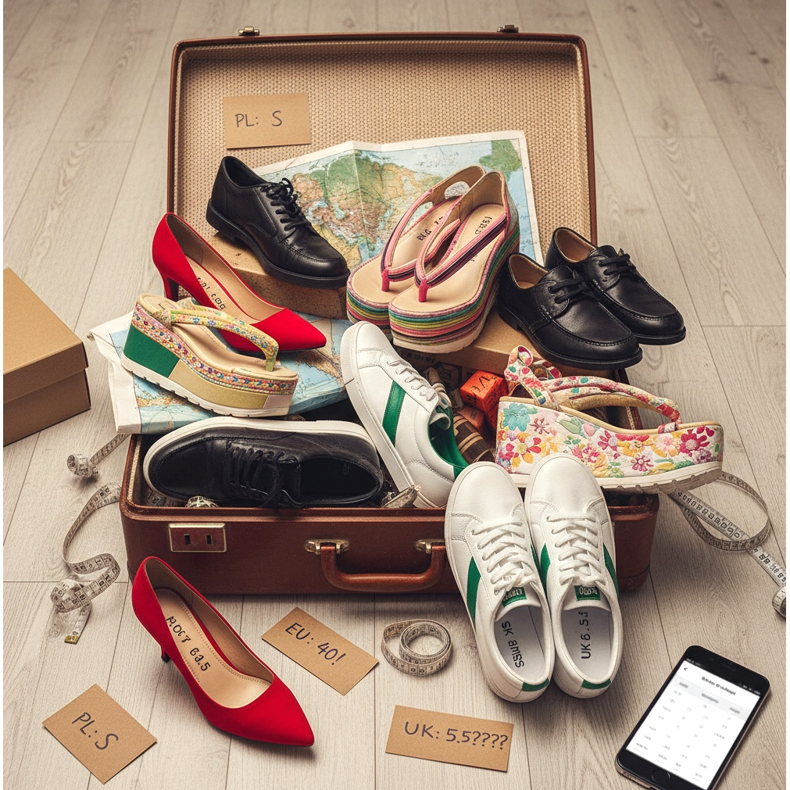
When buying shoes online or traveling abroad, many of us encounter the problem of international sizes. The Polish size is XS, but does this mean US size 5 or 6? Is European size 39 always 6.5 UK? The reality is more complex. Different countries and even different brands use different sizing systems, which can lead to confusing purchases and returns. In this article, we will go through the main sizing systems available on the market and show you how to accurately measure your foot to always choose the right size.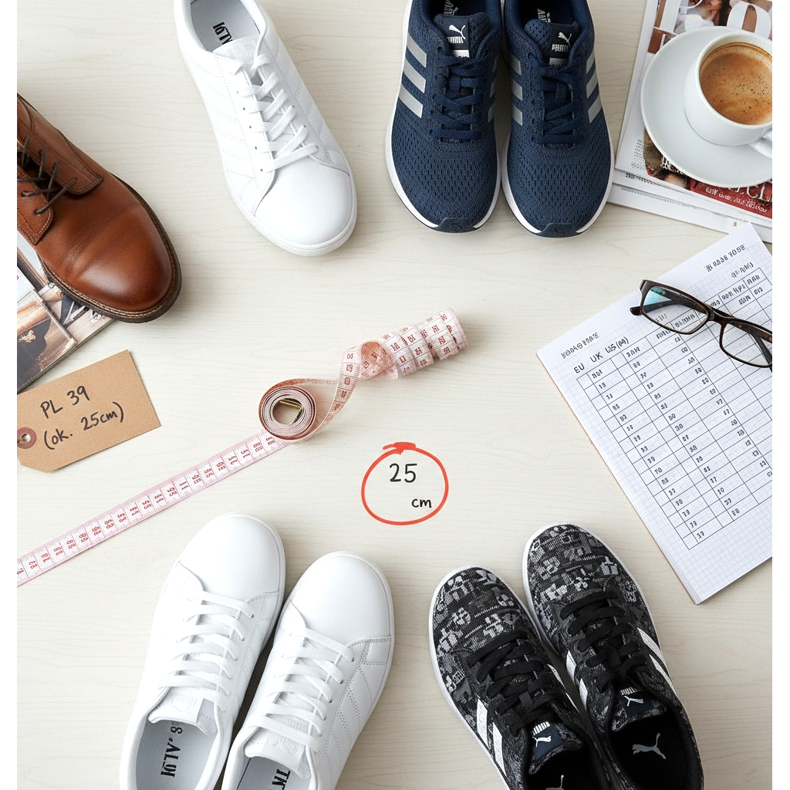
2. Polish size system: starting point
Polish sizes are based on the European metric system. Sizes range from 35 (approx. 22 cm) to 46 (approx. 30 cm). However, many Polish brands, especially older ones, may have their own standards. As a starting point, if you wear size 39 in Poland, you should look for an equivalent in other systems. But - and this is important - always try on shoes or check the manufacturer's specific instructions, as brands like Nike, Adidas and Puma may have their own size conversion charts.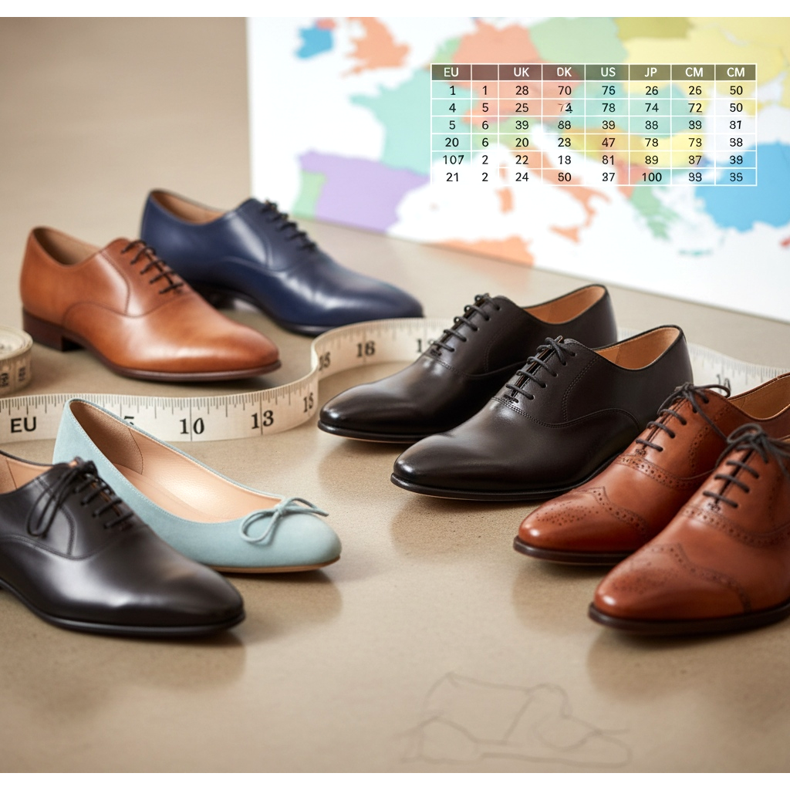
3. European size system: too close for comfort
The European size system is used in France, Germany, Italy and most of Western Europe. It is very similar to the Polish system, but there are minor differences. In general, the European size corresponds to the Polish one, but differences in the workmanship and width of shoes between brands have been observed. For example, Polish sizes may be slightly wider than Italian or French ones. If you are purchasing European shoes, always check the brand's size chart as size interpretation may vary.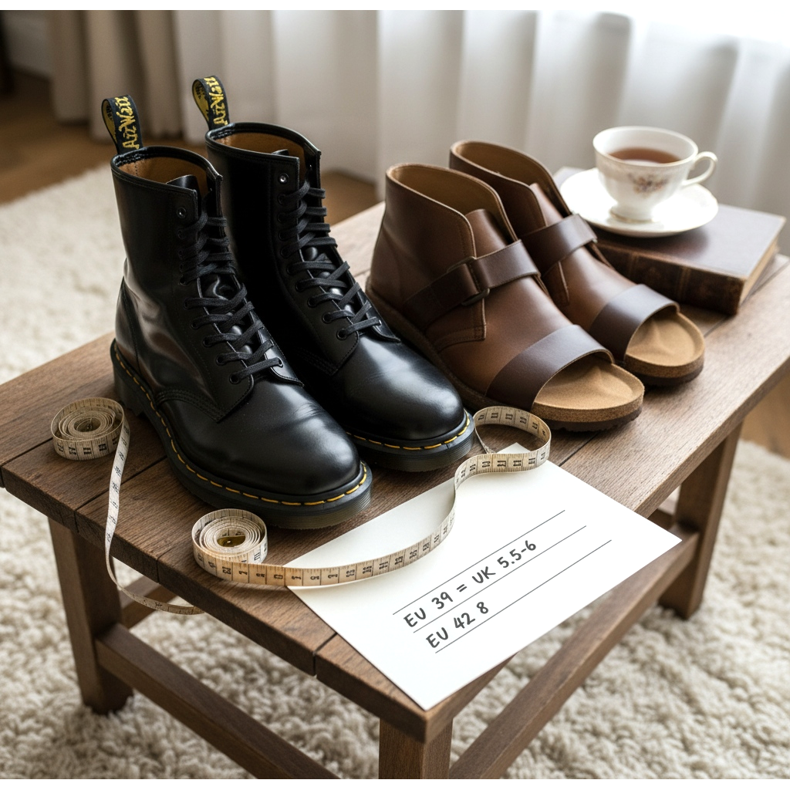
4. British size system: smaller is different
British and Irish sizes are different from European sizes. For example, a European size 39 corresponds to approximately a UK size 5.5-6. British sizes are smaller than European sizes - European 42 is approximately UK 8. If you buy shoes from British brands, pay special attention, because this size may be the size for you. British brands such as Dr. Martens, Clarks and Scholl have their own size charts, which may differ from the standard.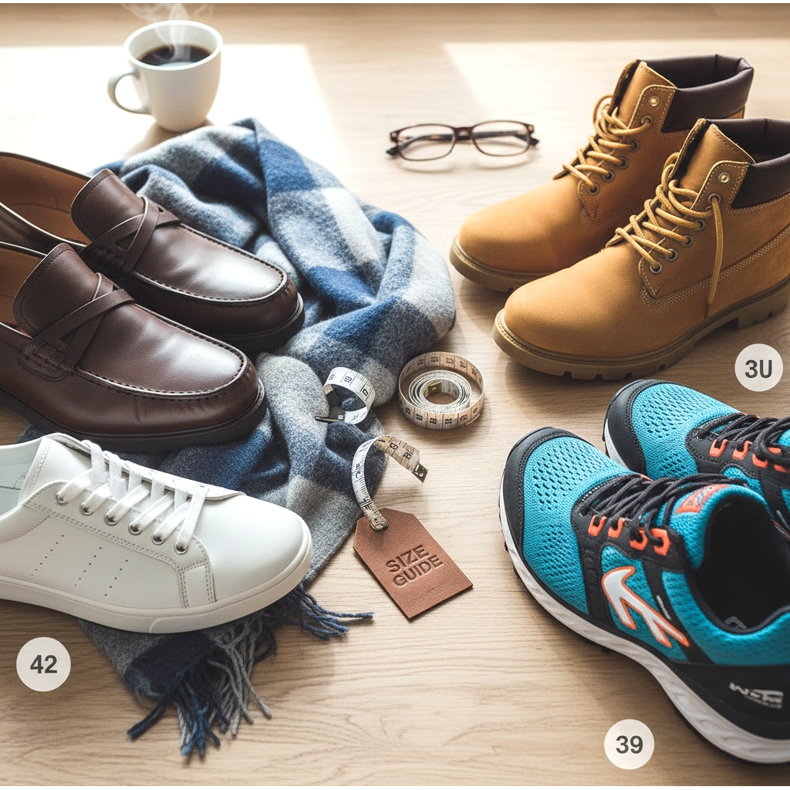
5. US and Canadian sizes: the transatlantic difference
The American and Canadian systems are very similar, but different from the European one. European size 39 corresponds to US/CAN size 7 for women. Men's sizes vary - European 42 is approximately US/CAN 8 for men. USA/CAN sizes are usually smaller than European sizes. If you are purchasing shoes from brands such as Nike, Adidas or New Balance that have different size charts for the US and EU markets, please check the specifike charts as they may vary. For business and casual shoes, sizes may be slightly larger than for sports shoes.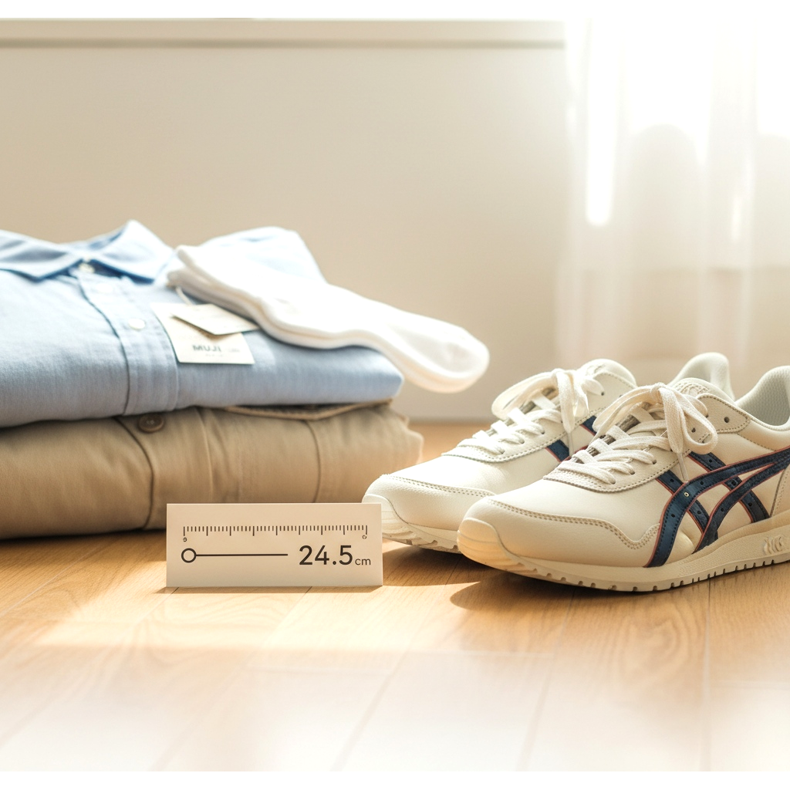
6. Japanese size system: an exception on the market
Japan has its own sizing system, which is completely different. Japanese sizes are generally smaller than European sizes. European size 39 is approximately Japanese size 24-25 cm. If you buy Japanese shoes (especially sneakers like Asics or New Balance), expect them to be smaller. Brands such as Muji, Uniqlo or high-end Japanese shoe manufacturers may have specific size charts. Always try them for a while or consult customer service before purchasing online.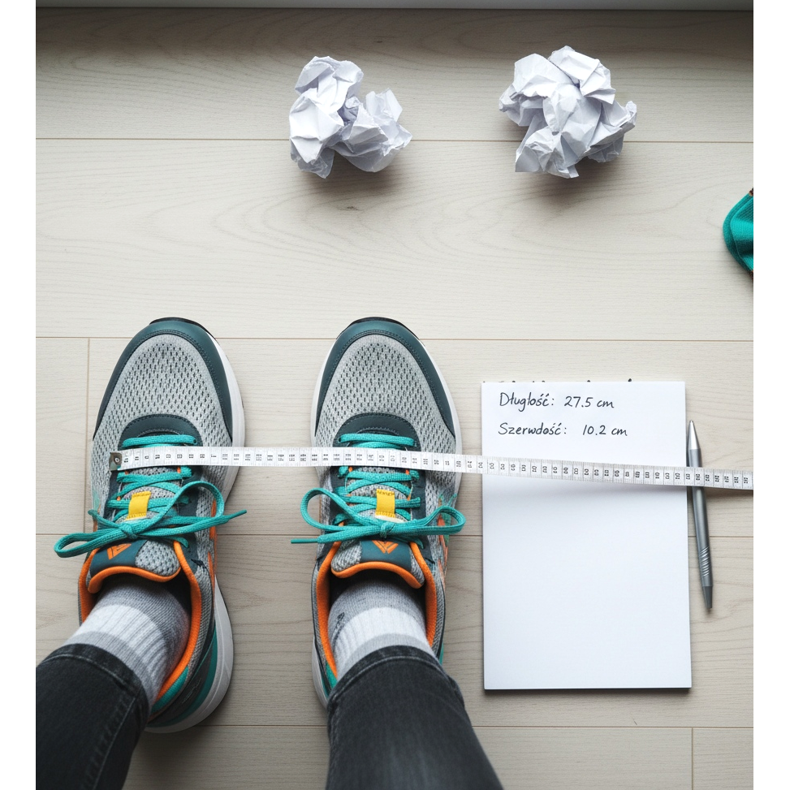
7. How to measure your foot correctly
Regardless of the size system, correct foot measurement is crucial. Measure the length from the heel to the tip of your biggest toe - this is the most important measurement. Also measure the width of your foot at the widest point. Do it in the evening when your foot is slightly swollen (after wearing shoes for a day). It is extremely important to measure in the socks you will wear with your shoes. Record the dimensions in centimeters - this is a universal dimension that fits any size system.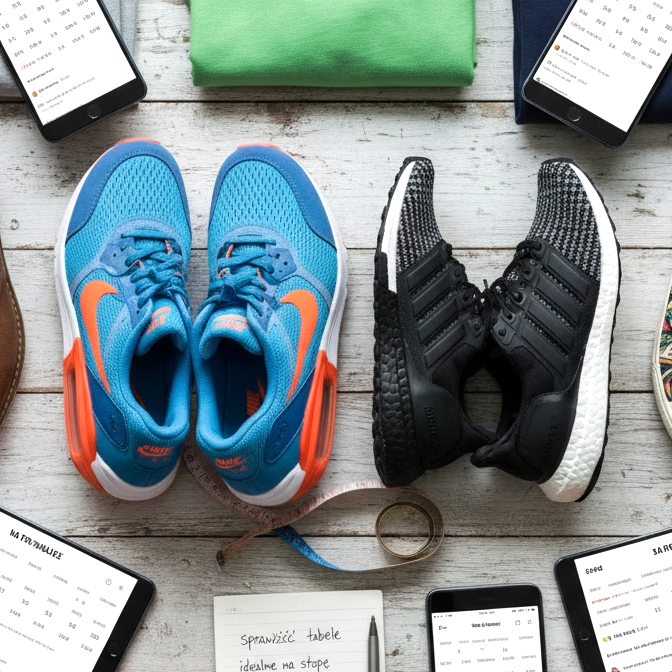
8. Brand sizing: exceptions again
Each brand – whether Nike, Adidas, Clarks or others – may have their own size charts and their own interpretations. It is not always standardization, but rather an individual approach of the manufacturer. Always check the size chart for a specific brand before purchasing, especially if you are buying online. Customer reviews can also tell you a lot - whether the shoes run small, custom-made or large. Read them carefully because they can save you time and money on returns.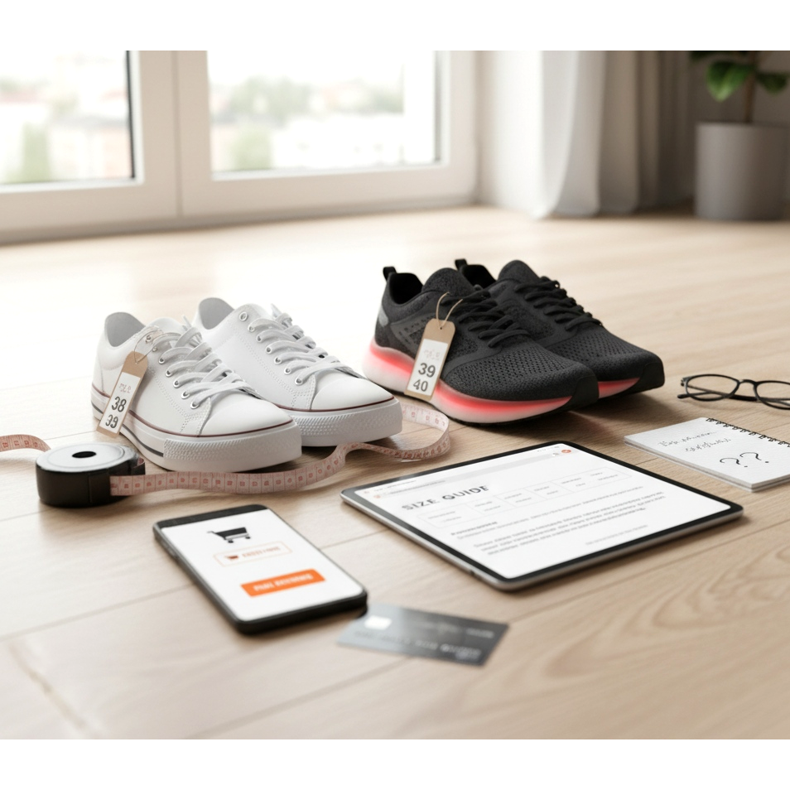
9. Summary: be a wise buyer
Staying safe when purchasing shoes online comes down to three things: knowing your size in centimeters, reading size charts for a specific brand, and reading reviews from other customers. If the shoes can be returned free of charge, try two sizes - one that you think is yours and one size up just in case. Remember that new shoes may be a little tight - this is normal. But if they're too tight or too loose, there's no point in keeping them, even if you like them.