
How to match shoes to clothes colors - a complete color guide
The art of combining shoe colors with the rest of your wardrobe is a skill that will change your styling. Learn the rules of colors, proven combinations and find out which shades of shoes are the most universal. A practical guide for everyone.
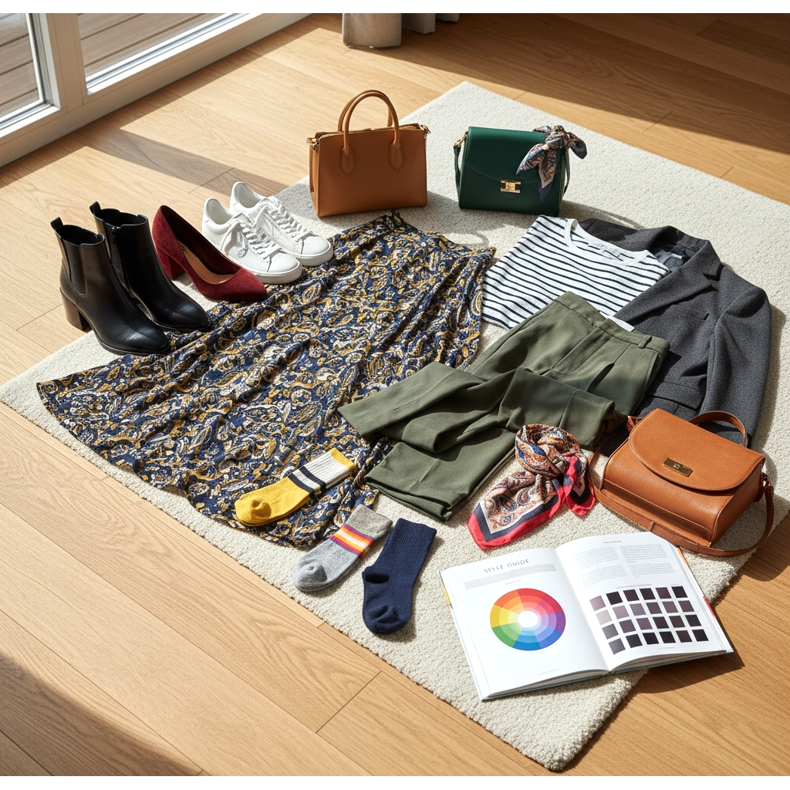
Why the color of shoes matters
Choosing the color of your shoes is one of the most important elements of creating a successful styling. Properly selected footwear can emphasize the advantages of an outfit, optically lengthen the silhouette and give the whole thing a coherent, well-thought-out character. On the other hand, poorly selected colors can ruin even the most carefully planned outfit.
Many people approach the choice of shoes intuitively, guided by the general impression of whether it fits. And although fashion intuition is valuable, knowing the basic rules of color can significantly facilitate everyday decisions and open the door to more creative combinations.
In this guide, we will look at both classic, safe combinations and bolder combinations for those who want to experiment. You will learn which shoe colors are the most universal, how to combine shoes with patterned clothes and what mistakes to avoid.
Remember that fashion is, above all, fun and an expression of personality. The principles we present are guidelines, not hard and fast rules. Once you master them, you can consciously break them, creating unique, bold styles.
Universal shoe colors - a wardrobe staple
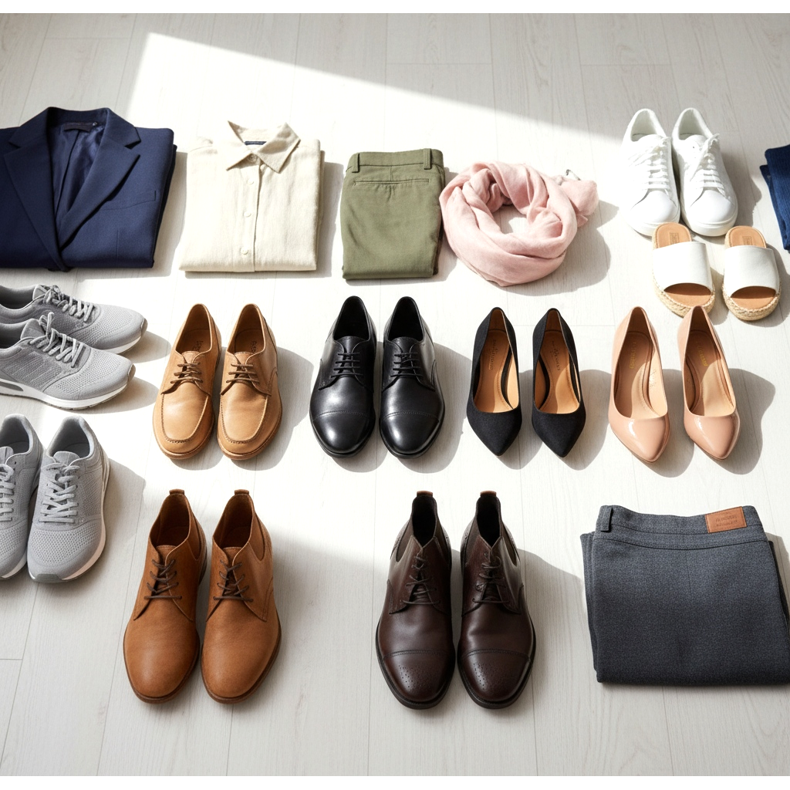
When building a footwear collection, it is worth starting with neutral colors that match the largest number of clothes. These universal shades are the foundation of a functional shoe wardrobe.
Black is an absolute classic. Black shoes go with almost everything - from formal outfits to casual. They are irreplaceable for official occasions and go perfectly with cool colors: navy blue, gray, purple, pink. However, avoid combining black with warm browns - this combination rarely looks harmonious.
Brown in various shades is the second must-have. Light camel, medium cognac or dark chocolate - each of these shades has a different use. Brown shoes go perfectly with a warm color palette: beige, creamy white, olive green, masculine navy blue. They are less formal than black ones, which makes them perfect for everyday wear.
Nude, i.e. flesh color, is the secret weapon of stylish women. Shoes in a shade similar to your skin tone optically lengthen your legs and match virtually any color of clothes. This is the perfect solution when you don't know what shoes to choose.
White and cream are summer and sporty colors. White sneakers or sandals enliven the style and add freshness. However, remember that they require more care - dirty white shoes spoil the whole effect.
Gray is an underrated neutral. Especially in men's fashion, gray shoes are an interesting alternative to black, being equally universal, but less obvious.
Rules of combining colors – theory in practice
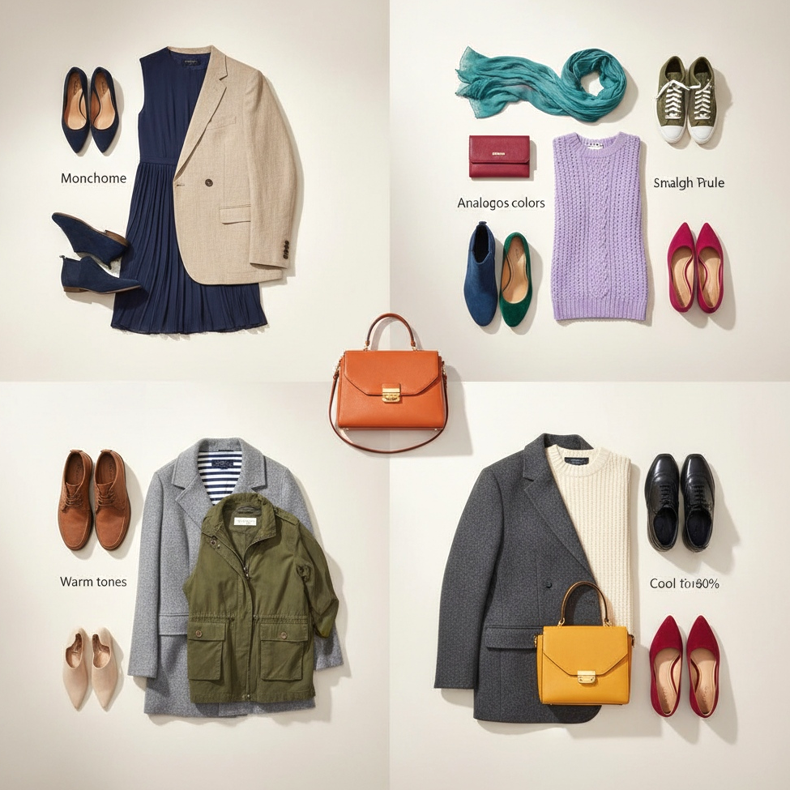
Color theory may seem complicated, but the basic principles are intuitive and easy to apply. Here are some key concepts to help you create harmonious styles.
Monochromatic combinations are combinations of different shades of the same color. For example, a navy blue dress with dark blue shoes or a beige suit with caramel loafers. Such styles are elegant, coherent and optically lengthen the figure. It's a safe choice for important occasions.
Complementary colors are shades that lie opposite each other on the color wheel - navy blue and orange, red and green, yellow and purple. Such connections are dynamic and attract attention. In fashion, they are used carefully - it is better when one color dominates and the other is an accent (e.g. shoes).
Analogous combinations are adjacent colors on the color wheel: blue with green, red with orange, purple with pink. They are harmonious and pleasing to the eye, although they require a bit of courage in combination.
The 60-30-10 rule will help you balance the colors in your styling. 60% of the outfit should be the dominant color (e.g. dress), 30% the secondary color (e.g. handbag, coat), and 10% the accent color (e.g. shoes, jewelry). Shoes as an accent can be expressive without overwhelming the whole.
Warm with warm, cold with cold - this is a simple rule that rarely fails. Brown shoes for beige and olive clothes, black for navy blue and gray clothes. Mixing color temperatures takes practice.

Shoes for patterned clothes – how not to overdo it
Patterned clothes are beautiful, but they pose a challenge when choosing footwear. Too many competing elements can create a chaotic, overwhelming effect. Here are some rules to help you keep your balance.
Basic rule: choose single-color shoes for patterned clothes. If the dress has flowers, checks or geometric patterns, the shoes should be subdued and simple. This will allow the clothes to play the leading role and the whole thing will look harmonious.
Choose the color of your shoes from the pattern palette. If a floral dress has navy blue, red and green elements, shoes in one of these colors will fit perfectly. This is a technique that makes the styling look thoughtful and coherent.
Neutral always safe. If you are not sure what shoes to choose for patterned clothes, choose black, brown or nude. These colors will not compete with the pattern and always look good.
Avoid mixing patterns with patterns. A striped dress and leopard print shoes? This is a combination for very experienced fashionistas. For most people, it's safer to stick to the one pattern per style rule.
Consider the size of the pattern. Large, expressive prints need simple, minimalist shoes. Small, delicate patterns give you a bit more freedom - you can afford shoes with small decorations or in more interesting colors.

Colorful shoes as an accent – how to wear bold colors
Colorful shoes are a great way to liven up your wardrobe and express your personality. Red high heels, yellow sneakers or cobalt blue loafers can become the focal point of the styling. You just need to know how to wear them.
The principle of contrast with neutrals works best. Colorful shoes look fantastic with clothes in subdued colors - black, white, gray, beige. Red high heels with a little black dress, yellow loafers with a white shirt and jeans, green ankle boots with a gray sweater. The shoes become the star, the rest of the outfit is the background.
Denim is the friend of colorful shoes. Jeans in a classic blue shade are a neutral background for virtually any color of footwear. This is the easiest way to introduce colorful shoes into your everyday styling.
Repeat the color in a small accessory. If you wear red shoes, add red lipstick or a handbag in a similar shade. It doesn't have to be exactly the same color - just a reference in the same color family. This technique makes the styling look coherent and thoughtful.
Avoid excess colors. If the shoes are expressive, the rest should be subdued. A colorful blouse and colorful shoes in a different shade is a recipe for chaos. Limit bold colors to one or two styling elements at most.
Adjust the color saturation. Pastel shoes look better with other pastels or white, intense colors contrast better with black or dark neutrals. Mixing pastels with intense shades rarely looks harmonious.
Metallic and glitter shoes – special occasions and more
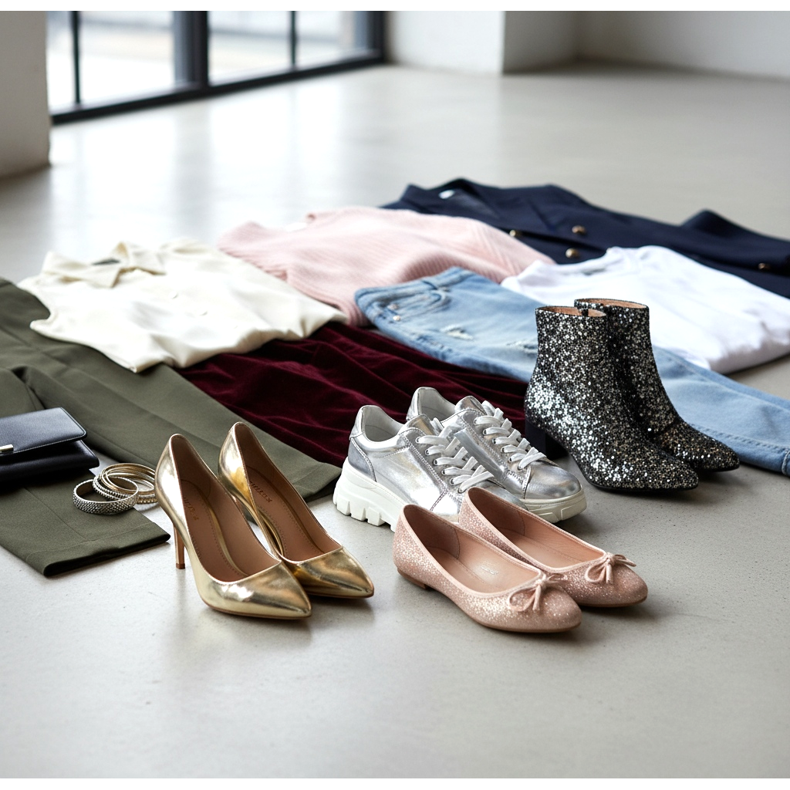
Shoes in gold, silver or with a glitter finish are a category in themselves. Although they may seem to be reserved for special occasions, with the right choice they can also be used every day.
Gold harmonizes with a warm palette - creamy whites, beiges, browns, olive green, red and burgundy. Gold shoes also look great with black, adding a touch of luxury to it. It's a good choice for evenings out and parties in warm lighting.
Silver prefers cool colors - gray, navy blue, pink, purple, blue. With black it creates an elegant, modern combination. Silver shoes are also more universal as a complement to white and pastel styles. In everyday styling, they can replace gray shoes, adding a bit of shine.
Rose gold is a compromise between a warm and cool palette. It matches most colors and is more subtle than classic gold or silver. This is a good choice for people who want metallic shoes but are afraid of too expressive an effect.
Glitter shoes are best worn in the evening and on special occasions. In daylight they may look exaggerated. However, if you want to wear glitter every day, choose a small, subtle one and combine it with very simple, subdued clothes.
Metallic sneakers are a way to add everyday shine. Gold or silver sports shoes look great with jeans and a simple T-shirt, giving a casual style a fashionable character.

The most common color mistakes and how to avoid them
Finally, let's look at the most common mistakes when choosing shoe colors and how to avoid them. Being aware of these pitfalls will help you create better styles.
Black plus brown is a controversial combination. Traditionally, they were considered a faux pas, and although modern fashion is more tolerant, it requires practice. If you are not sure, it is better to avoid combining black shoes with brown clothes and vice versa.
Too many colors at once. Each element in a different color creates a chaotic effect. Limit your palette to three colors maximum, including shoes.
Color temperature mismatch. Warm browns with cold pink or cool gray with warm orange - such combinations rarely look harmonious. Try to stay in one color temperature.
Too dark shoes for light clothes in summer. Heavy black ankle boots with a light white dress? This combination disturbs the proportions and looks a bit overwhelming. In summer, choose lighter footwear colors.
Ignoring the color of tights and socks. When you wear shoes that reveal your feet, the color of your tights or socks becomes part of the color scheme. Black tights with nude high heels? This is an interruption of the leg line, which optically shortens it.
Lack of consistency with the bag and belt. Although you don't have to have the same color of shoes and handbag, they should match each other. Brown shoes with a black handbag may look random if they are not part of a well-thought-out outfit.
Remember that color rules are there to help you, not limit you. Once you master them, you can consciously experiment and create unique combinations. Because the best styling is the one in which you feel confident and express yourself!