
How to choose sports shoes for different disciplines? The complete guide
Choosing the right sports shoes is crucial for your health, comfort and training results. Find out what shoes to choose for running, basketball, football, gym and other sports and what to pay attention to when buying.

Why are the right sports shoes so important?
Sports shoes are not just a tool for practicing sports - they are equipment that directly affects your health, comfort and performance. Improperly selected footwear can lead to injuries, joint pain and long-term orthopedic problems.
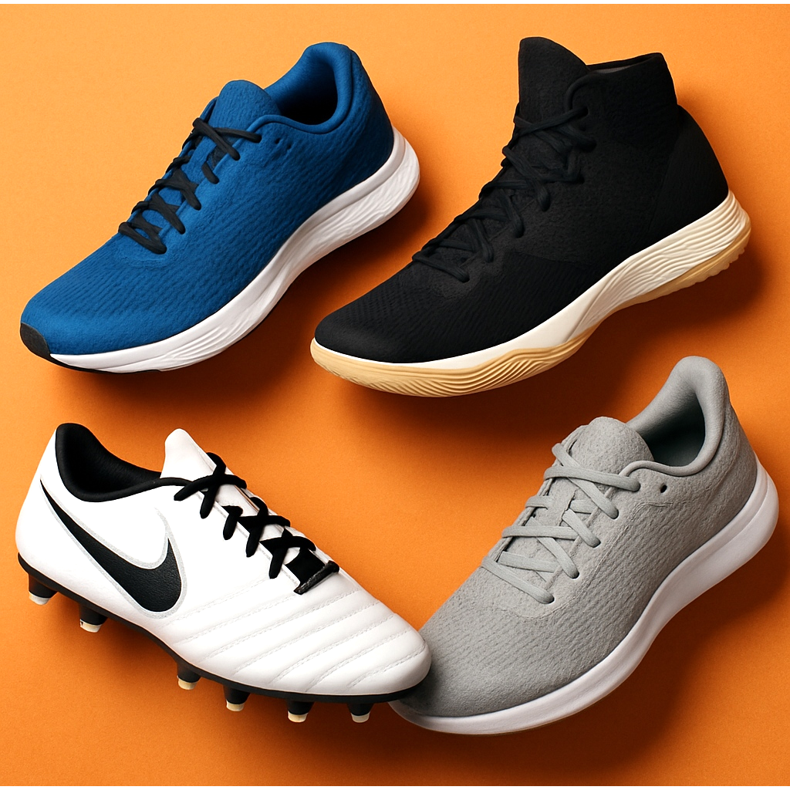
Each sport discipline places different requirements on footwear. A runner needs maximum cushioning, a basketball player needs ankle support, a soccer player needs excellent traction, and a strength athlete needs a stable, flat sole.
In this guide, you will learn how to choose shoes for a specific sports activity and what to pay attention to when buying.
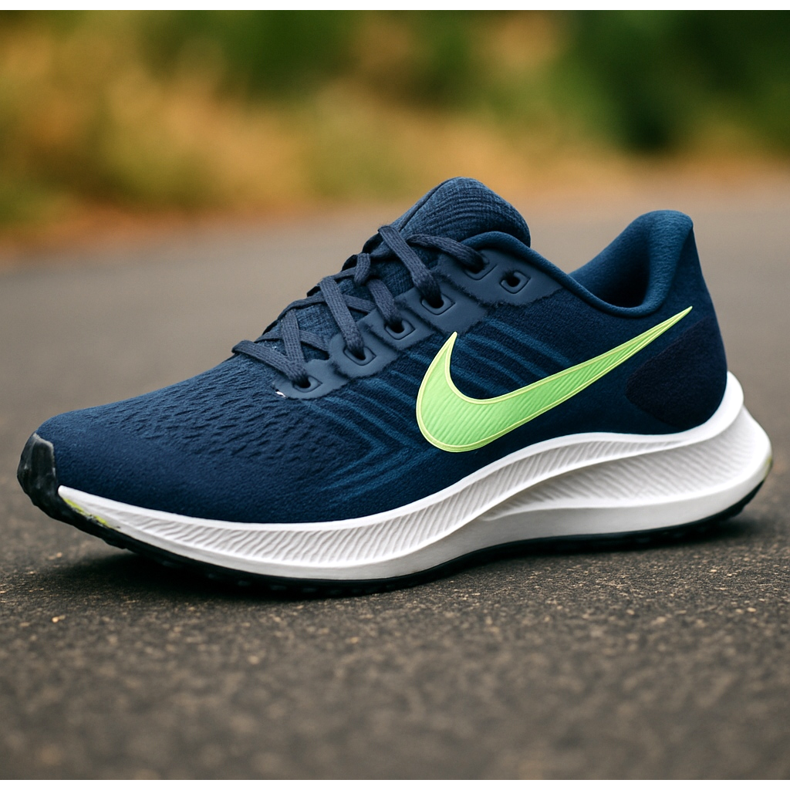
Running shoes
Depreciation
Good cushioning in the heel and forefoot is crucial for runners. It protects joints from impacts and reduces the risk of injury. Materials such as EVA, Air, Gel or Boost provide adequate damping.
Type of foot and way of stepping
- Neutral pronation: The foot is placed evenly - choose neutral shoes with moderate cushioning
- Overpronation: The foot turns inwards - you need stability shoes
- Supination: The foot turns outwards - choose neutral shoes with plenty of cushioning
Drop (heel-toe height difference)
- Drop 10-12 mm: for beginners, reduces the load on the Achilles tendon
- Drop 4-8 mm: for experienced runners
- Drop 0 mm (minimalist shoes): for advanced users, requires adaptation
Area
- Running on asphalt: cushioning, light shoes
- Trail running: aggressive tread, stone protection, waterproof
Distance
- Short runs (up to 10 km): lighter shoes with less cushioning
- Long distances and marathons: maximum cushioning and support
Recommended models: Nike Air Zoom Pegasus, Adidas Ultraboost, Asics Gel-Nimbus, Hoka One One Clifton, Brooks Ghost

Basketball shoes
Ankle support
Basketball requires intense jumps, quick changes of direction and load on the joints. High-top boots offer the best ankle support and protect against sprains.
Adhesion
A rubber sole with an appropriate tread pattern provides excellent grip on the dance floor.
Depreciation
Technologies such as Nike Air, Adidas Boost and UA HOVR protect joints when landing after jumps.
Stability
Wide flat soles offer better stability during fast lateral movements.
Recommended models: Nike LeBron, Air Jordan, Adidas Harden, Under Armor Curry, Puma Clyde All-Pro
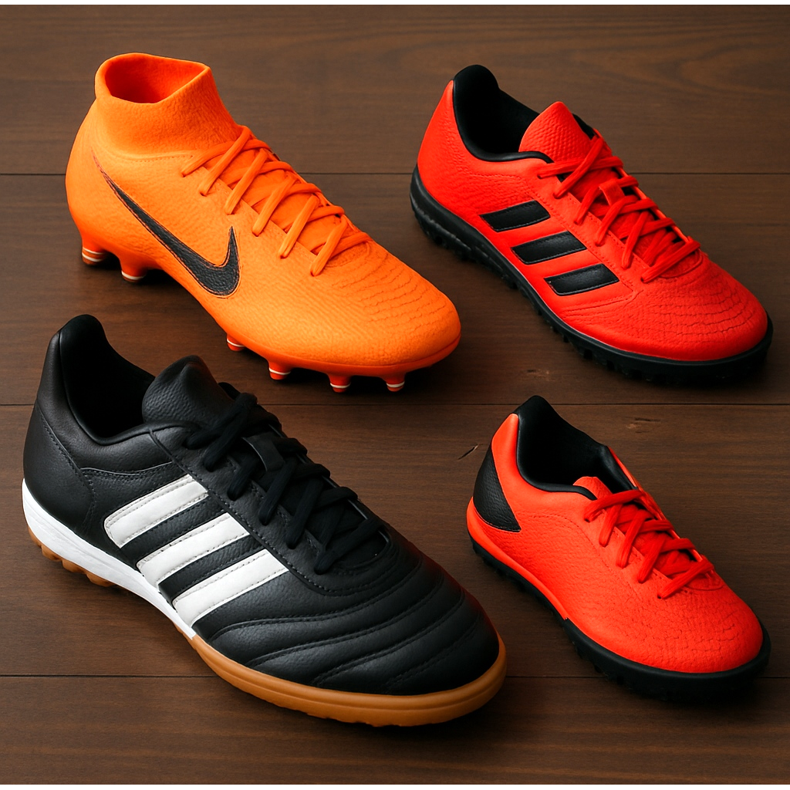
Football shoes
Corks vs turf
- Traffic jams (FG - Firm Ground): For natural grass pitches
- Turfs (TF - Turf): For pitches with artificial turf and hard pitches
- Indoor(IN): Flat sole for indoor use
Fit
Football boots should fit closely, almost like a second skin - this ensures better ball control.
Upper material
- Kangaroo/calf leather: best ball feel, fit
- Synthetic materials: more durable, easier to maintain, lighter
Recommended models: Nike Mercurial, Adidas Predator, Puma Future, Adidas Copa Mundial (classic)

Gym and weightlifting shoes
Flat, stable sole
Unlike running shoes, weightlifting shoes should have a flat, hard sole without cushioning. This ensures stability and maximum force transfer.
High heels (weightlifting shoes)
Specialized Olympic shoes have elevated heels (0.75-1.5 inches), which aids in deep squats and improves movement mechanics.
Strong mounting
Velcro or strong lacing ensure stable foot attachment.
Alternatives
Many people train in Converse Chuck Taylors (flat sole) or even barefoot/in socks with deadlifts.
Recommended models: Nike Romaleos, Adidas Adipower, Reebok Legacy Lifter, Converse Chuck Taylor (budget option)

Shoes for CrossFit and functional training
Versatility
CrossFit shoes must cope with running, jumping, weightlifting and gymnastic movements - a trade-off between stability and cushioning.
Resilience
CrossFit is very intense - the shoes must be durable and abrasion-resistant.
Grip and stability
Good grip on the rope (rope climbs) and stability during burpees.
Recommended models: Reebok Nano, Nike Metcon, NOBULL Trainer, Inov-8 F-Lite
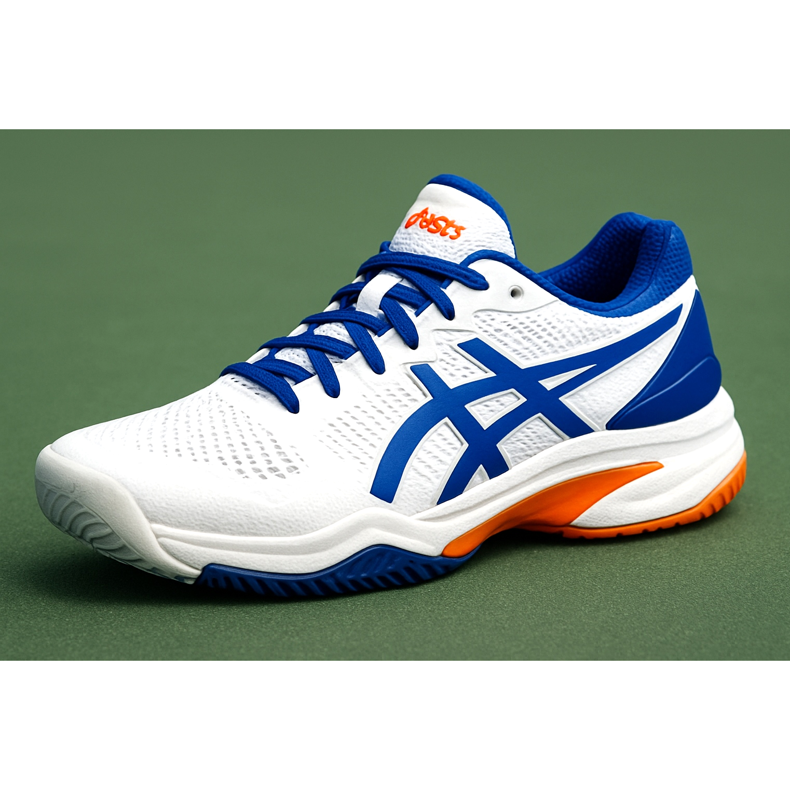
Tennis shoes
Depreciation
Tennis requires intense lateral movements and quick stops - you need cushioning in the forefoot and heel.
Lateral stability
The reinforced sides of the shoes protect against twisting during lateral movements.
Durable sole
The court wears out the soles quickly - choose shoes made of durable rubber.
Types of courts
- Hard court: universal tennis shoes
- Clay court: shoes with a herringbone pattern
- Grass court: shoes with small lugs
Recommended models: Asics Gel-Resolution, Nike Air Zoom Vapor, Adidas Barricade
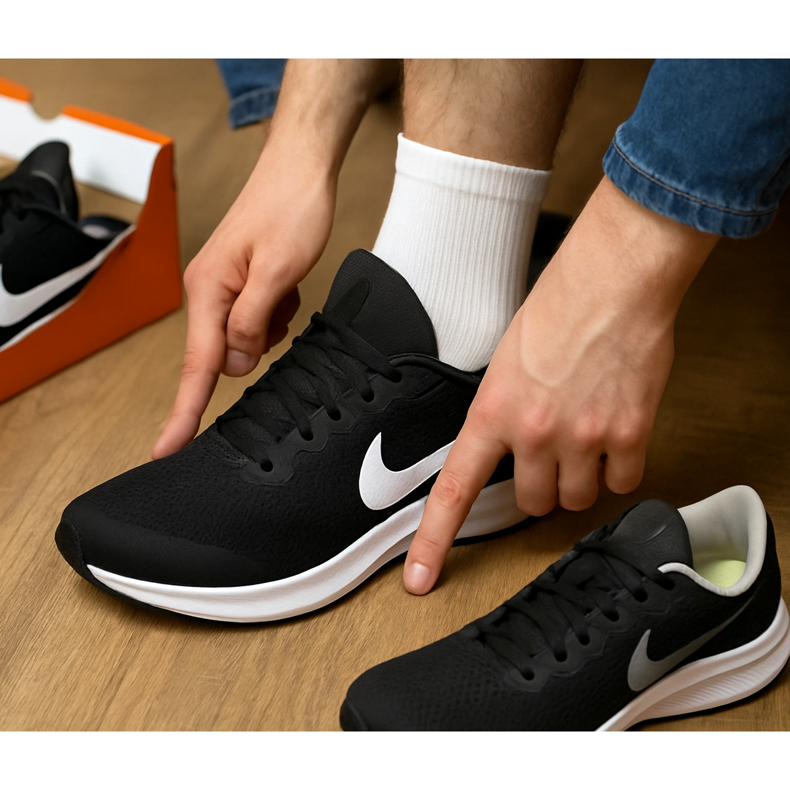
How to choose the correct size of sports shoes?
Fit
There should be a space of about 1 cm (the width of your thumb) between your toes and the toe of the shoe. Feet swell during activity - try on shoes in the afternoon.
Test in store
Run, jump, do some lateral movements in your shoes. Don't buy them if anything bothers you.
Replacing shoes
Running shoes should be replaced every 500-800 km. Gym shoes can last for years if they are well made.
Socks
Buy shoes with socks to wear during sports. Thicker socks require a larger size.
Different brands - different sizes
Nike has narrower shoes, Asics has wider ones. Always try on before purchasing.
Summary
Choosing the right sports shoes is an investment in your health and performance. Each sport requires specific footwear adapted to the type of activity, foot type and terrain.
Don't skimp on sports shoes - they are the most important element of your equipment. Well-chosen shoes will prevent injuries, increase comfort and help you achieve better results.
Remember to regularly replace worn out shoes and properly care for them so that they serve you as long as possible.