
How to choose shoes for wide feet? A practical guide
A wide foot is not a cause for complexes, but a challenge in the world of footwear. Choosing the right shoes will not only provide comfort, but will also protect the health of your feet. Find out which models to choose, what to pay attention to when shopping and what mistakes to avoid to enjoy comfortable wearing all day long.
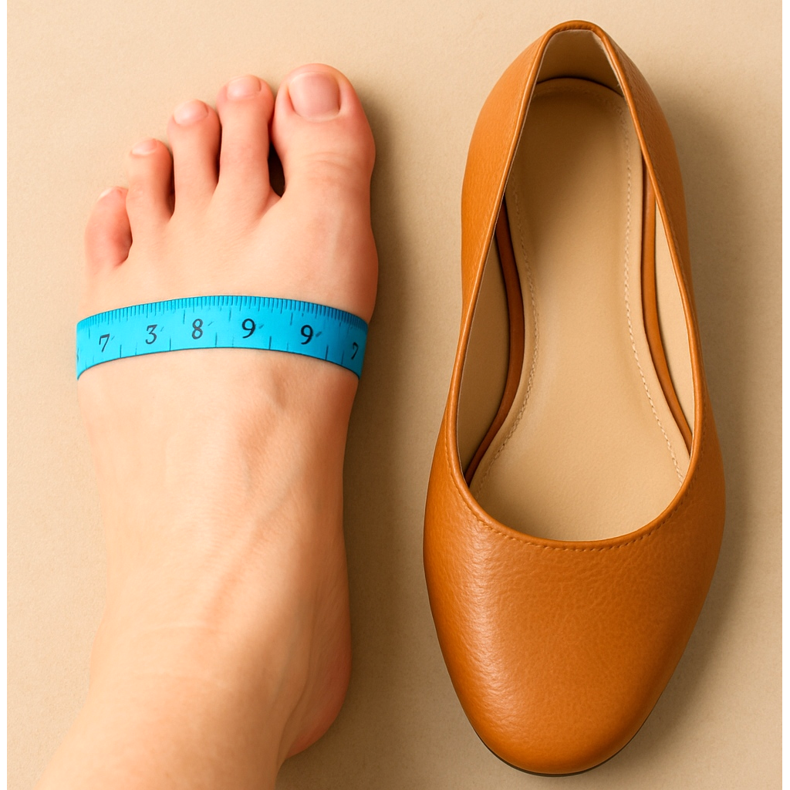
Wide foot – what does it actually mean?
A wide foot is an anatomical feature that affects many people. It is characterized by greater width in the widest part of the forefoot, i.e. around the phalanges. This type of foot structure requires shoes with a suitably wide cut that will not compress or limit natural movements while walking.
Many people with wide feet make the cardinal mistake of buying shoes one size larger, hoping for more space. This solution does not work in practice because the shoe is too long and the foot moves inside, which leads to abrasions and discomfort. Proper fit means choosing the right width while maintaining the right length.
Manufacturers are increasingly offering models in various widths, marking them with the letters H, G or K. A wide foot is not a disadvantage, it is simply a specific body structure that requires a conscious approach to the choice of footwear.
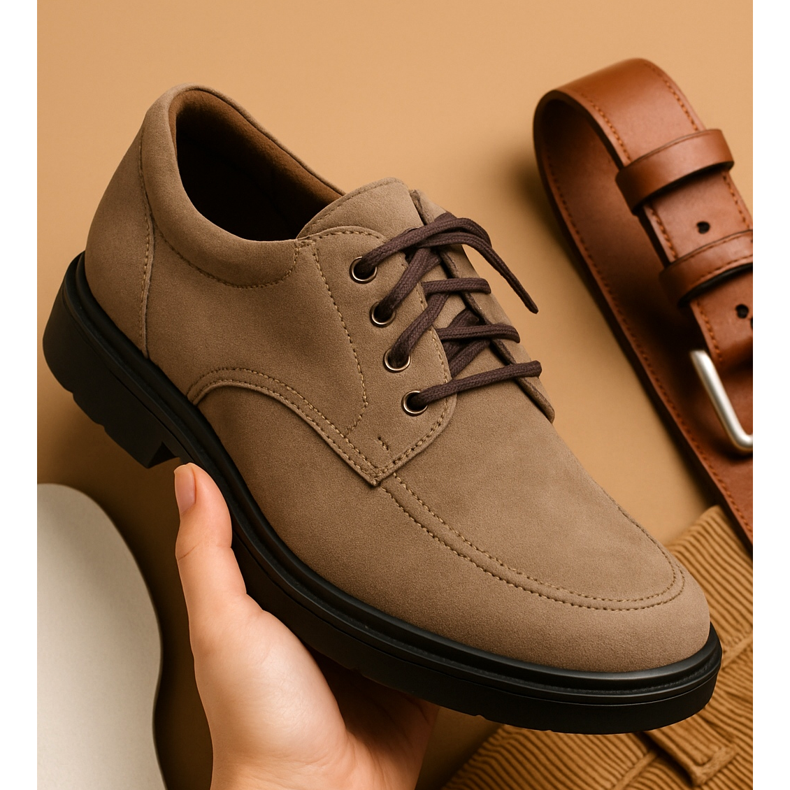
What to pay attention to when choosing shoes for wide feet
When deciding to buy shoes, people with wide feet should be guided by several key criteria. First of all, the material of the upper is of great importance. Natural leather is the perfect choice because it adapts to the shape of the foot over time, providing individual comfort. Soft suede leather also works great because it is flexible and does not compress.
The shape and construction of the shoe
Pay attention to the shape of the shoe's toe. Models with a rounded or square toe provide more room for the toes, while pointed toes press into the forefoot and cause pain. A well-constructed shoe should have a reinforced heel that stabilizes the foot, but at the same time flexible sides that do not limit the natural width.
Fastening system
Shoes with laces work best as they allow you to individually adjust the tightness of the upper. Shoes with zippers or without any fastening may be problematic because they cannot be adjusted. Velcro is also a good solution, especially for sports shoes.
Sole and insole
A wide sole is the foundation of comfort. Pay attention to whether the outsole is wider than the upper - this is a sign that the shoe is designed with wider feet in mind. Orthopedic or anatomical insoles will provide additional support and distribute the body weight evenly.
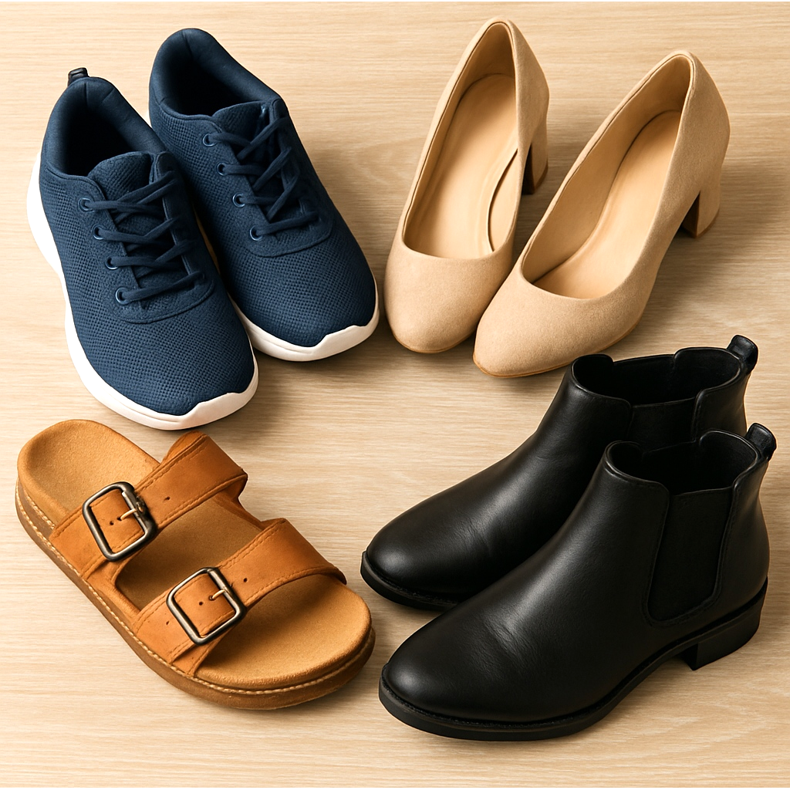
What shoe models to choose for wide feet
Sporty and casual
Mesh sneakers and sports shoes are a great choice for everyday wear. The flexible material adapts to the shape of the foot, and the lacing allows for a perfect fastening. Look for models with a wider platform and a reinforced toe that does not deform when worn.
Elegant pumps
For women with wide feet, low or medium heel pumps with a rounded toe are best. Pole models provide better stability than stilettos. Avoid patent pumps without rubber inserts - natural leather or suede is a much better choice and will wear out slightly over time.
Summer sandals
In the warm months, choose sandals with adjustable straps. Models with wide straps that spread over the instep provide more comfort than narrow straps that cut into the skin. Sandals with a cork sole are also a good choice because cork is a flexible material.
Ankle boots and boots
In autumn and winter, choose ankle boots with elastic inserts on the sides or lacing at the front. Boots for wide feet should have a looser upper and a zipper on the inside, which makes them easier to put on. Avoid tight, fitted models without adjustments.
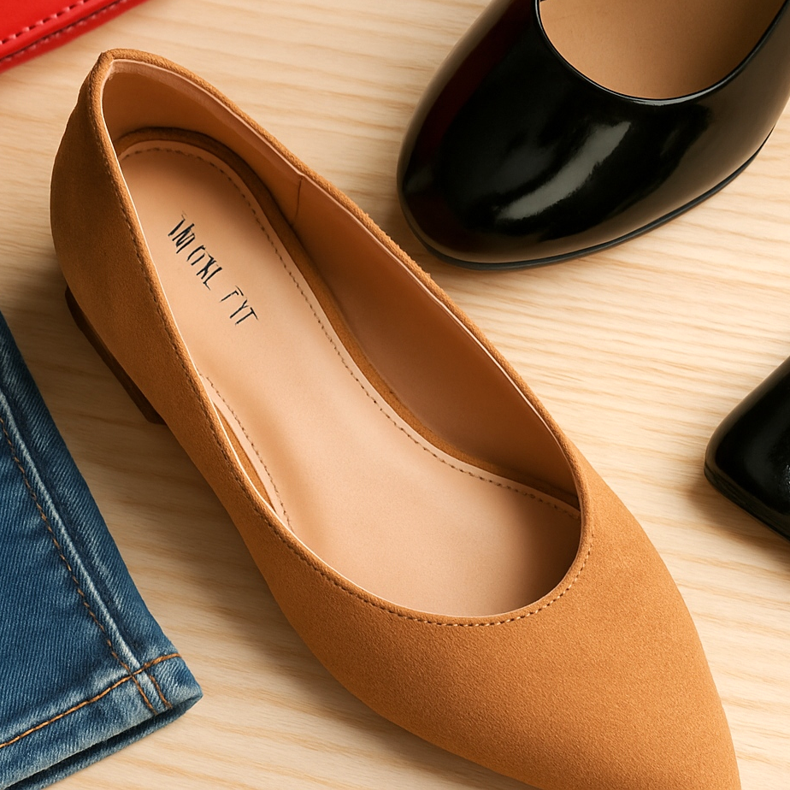
The most common mistakes when choosing shoes
Buying shoes a size larger is the most common mistake. Too long shoes cause the foot to slide forward, which leads to abrasions and incorrect weight distribution. Instead, it is worth looking for models available in wider versions marked as wide fit or special width.
Another problem is choosing stiff materials that do not give way. Shoes made of hard plastic, stiff leather or patent leather models without flexible panels are a bad investment for wide feet. Such footwear will never adapt to the anatomy and will be a constant source of pain.
Some people give up trying on shoes and order shoes online without checking the dimensions. Even if you know your size, each manufacturer has slightly different patterns. It's always worth checking the size chart and reviews from other shoppers with wide feet.
Ignoring the symptoms is another pitfall. If, after wearing the shoes, you notice calluses, redness, your toes overlap or you feel pressure, this is a sign that the model is not suitable. There is no such thing as wearing uncomfortable shoes. Properly fitted footwear should be comfortable from the first wear.
Shoe care and customization
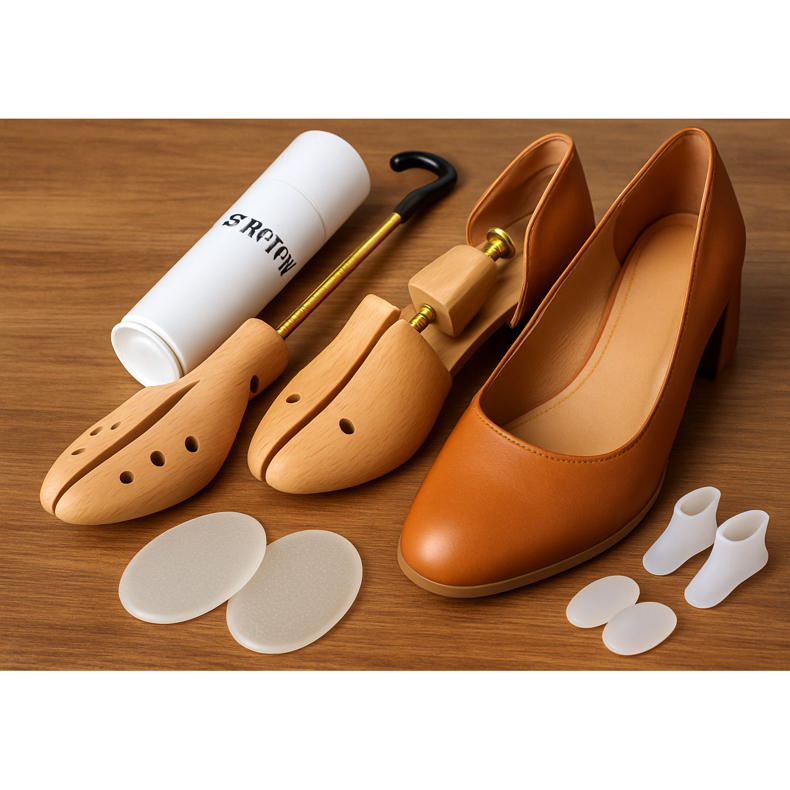
Even the best-fitting shoes can be adjusted further. The shoemaker can expand the upper in key places using special expanders. This works especially well in the case of shoes made of natural leather, which gently yields under the influence of the appropriate tool.
Helpful accessories
Shoe spreaders are a small investment that significantly extends the life of shoes. Wooden or plastic models are placed in shoes overnight, gradually stretching the material. Special skin stretching sprays are also available to make this process easier.
Gel pads under the forefoot reduce pressure and prevent abrasions in sensitive areas. Silicone toe caps protect against abrasions if the shoe pinches slightly, but overall it is comfortable.
When to replace your shoes
Damaged soles, deformed uppers or worn-out interiors are signals that it's time for a new pair. Wearing worn-out shoes leads to incorrect foot positioning and health problems. Regularly replacing shoes is an investment in the health of the entire musculoskeletal system.
Foot health comes first
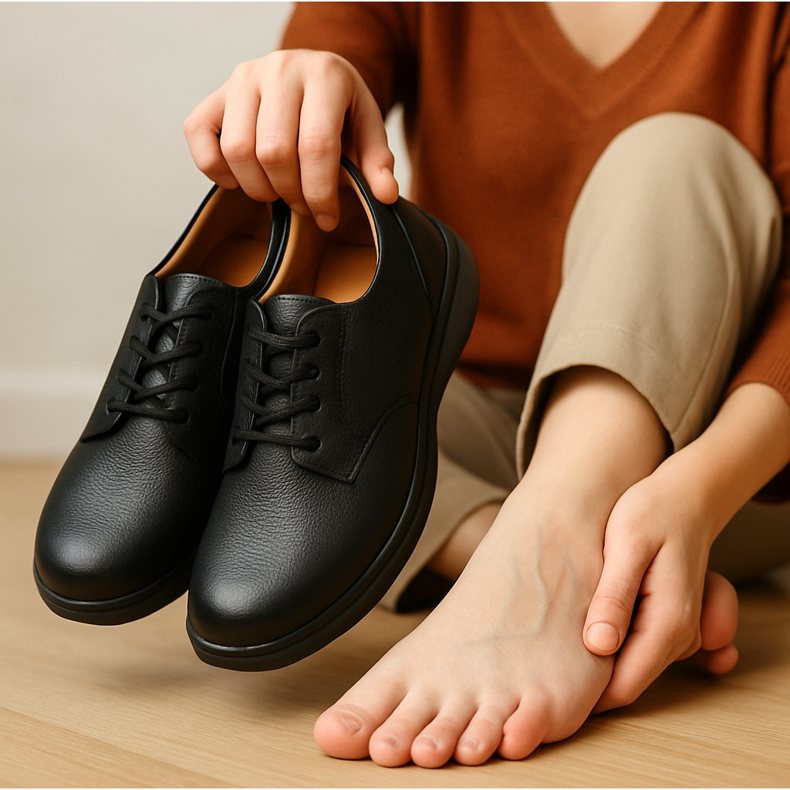
Wide feet require special care, but choosing the right footwear makes it no longer a problem. It is not worth compromising on comfort - ill-fitting shoes lead to halluxes, hammer toes, knee and spine pain.
Check the condition of your feet regularly. If you notice changes in their shape, increasing calluses or persistent pain, consult an orthopedist or podiatrist. The specialist may recommend custom-made orthopedic insoles that will significantly improve walking comfort.
Remember that it is best to measure your foot at the end of the day, when it is slightly swollen. When trying on, wear socks that you will wear the shoes in. Always check that there is approximately one centimeter of space between your longest toe and the toe of the shoe.
Investing in good, properly fitting shoes is an investment in health and comfort for years. A wide foot does not have to mean sacrificing style - modern brands offer more and more fashionable models in wider versions, combining aesthetics with functionality.