
How to care for shoes in winter? The complete guide to winter shoe care
Winter is the hardest season for shoes - snow, salt, moisture and frost can destroy them in one season. Find out how to prepare your shoes for winter, how to care for them on a daily basis and how to store them after the season so that they will last for years.
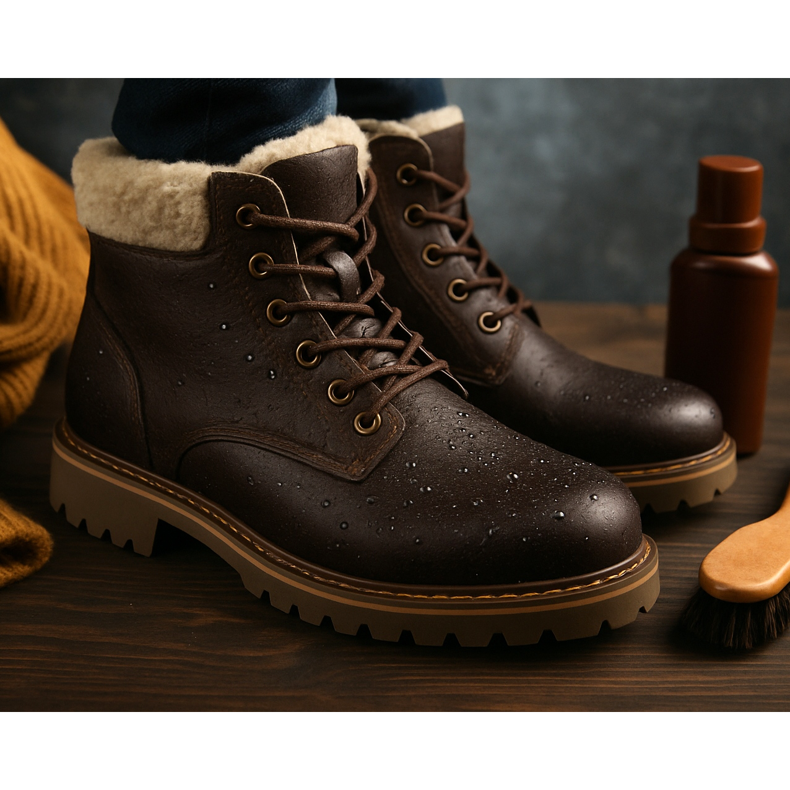
Why is winter shoe care so important?
Winter is a difficult season for shoes - snow, ice, road salt, humidity and sub-zero temperatures can destroy even the best shoes in one season if you don't take proper care of them.
Winter shoes must meet many requirements: be waterproof, warm, provide good grip and look good. Equally important is regular maintenance, which will allow them to last many seasons.
In this guide you will learn how to prepare your shoes for winter, how to care for them during the season and how to store them after winter is over.
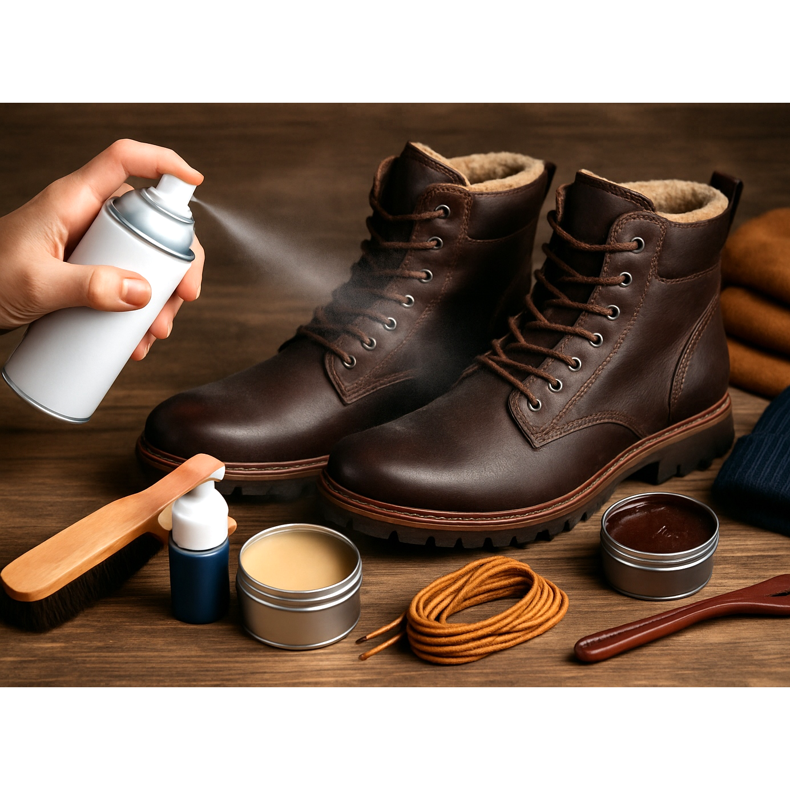
Preparing your shoes before winter
Impregnation
This is the most important step before winter. Waterproof ALL shoes – leather, suede, nubuck – a few days before first wearing. Apply the impregnation agent according to the instructions, let it dry and repeat the process 2-3 times. Impregnation creates an invisible barrier protecting against water and salt.
Leather maintenance
Apply shoe cream or wax generously (especially recommended for winter). The skin dries and cracks in winter - regular moisturizing prevents this process. Use a cream that is darker than the color of your shoes or is colorless.
Check the soles
If the soles are worn, take your shoes to a shoemaker before winter. A smooth sole on ice is a recipe for falling. Consider attaching non-slip pads.
Replace your shoelaces
Replace old, damaged shoelaces with new ones - they will be exposed to greater loads in winter.
Stock up on winter care products
Buy: shoe cream, impregnating agent, brushes (for smooth leather and suede), wooden shoe trees, shoe deodorant, newspaper for drying.
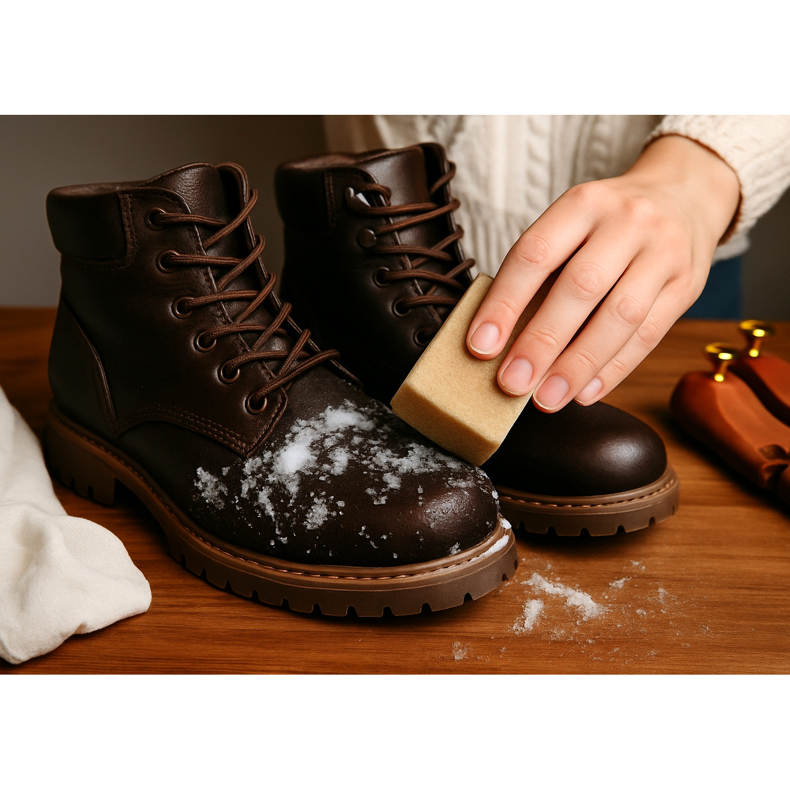
Daily care in winter
Clean your shoes after every outing
Road salt is the number one enemy of shoes. As soon as you get home, remove snow, mud and salt with a soft, damp cloth. Don't delay - the longer salt stays on your shoes, the more damage it will do.
Drying
NEVER dry wet shoes on a radiator, radiator or near the stove! High temperature destroys the leather and glue, causing cracking and deformation. Instead:
- Stuff your shoes with newspaper (replace it several times when it gets wet)
- Place in a ventilated, dry place away from heat sources
- Use wooden planers - they will absorb moisture and keep their shape
- Consider purchasing an electric shoe dryer (low temperature)
Regular maintenance
Apply shoe cream or wax every 2-3 weeks. Re-impregnate once a month or after heavy snowfall.
Shoe rotation
Don't wear the same shoes every day - they need 24-48 hours to dry and recover. Have at least two pairs of winter shoes.
Fighting salt
Remove white salt stains with a mixture of water and vinegar (50/50). Wipe your shoes, dry them and apply cream.
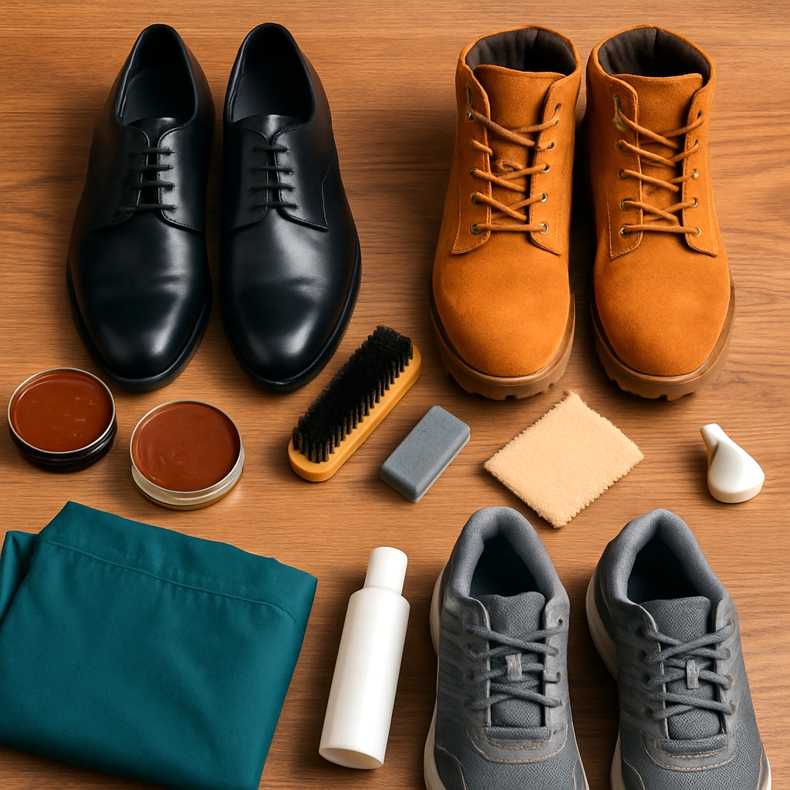
Care of various materials
Smooth skin
- Remove dirt with a soft, damp cloth or brush
- Apply the shoe cream in circular motions
- Allow to absorb for a few minutes
- Polish with a soft cloth until shiny
- Impregnate every 3-4 weeks
Suede and nubuck leather
- Remove dirt with a suede brush (brass bristles)
- Use a suede eraser for tough stains
- Apply a shoe-colored or colorless suede spray
- Impregnate with a special suede agent
- NEVER use water to clean suede - leave it to the professionals
Goretex and synthetic materials
- Wash with warm water and mild soap
- Do not use detergents and bleaches
- Impregnate with dedicated agents for membranes
- Check the membrane regularly - damage reduces water resistance
The most common winter problems and how to solve them
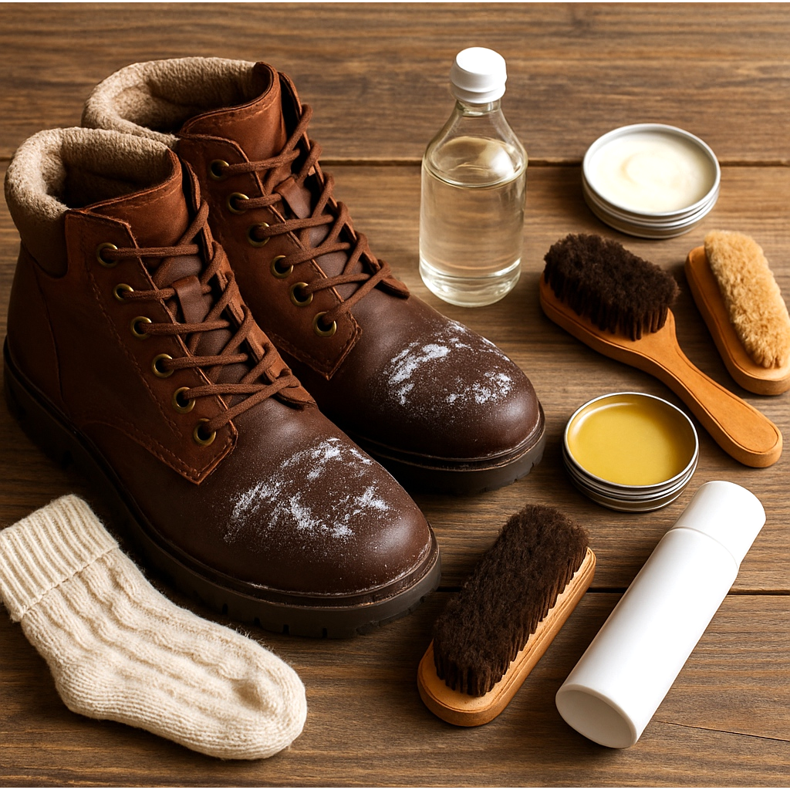
White salt stains
Solution: A mixture of water and white vinegar (50/50). Wipe stains, dry, apply cream.
The shoes were completely soaked
Solution: Stuff it tightly with newspaper and replace it several times. Leave in a dry place for 24-48 hours. Apply the cream generously once it dries.
The leather hardened when wet
Solution: Apply generous amounts of wax or leather grease (e.g. mink oil). Rub in for several days until the skin softens.
The sole is peeling off
Solution: Go to the shoemaker immediately. Don't try to repair it yourself with glue - it requires professional tools.
Bad smell
Solution: Sprinkle the inside of your shoes with baking soda overnight, then vacuum. Use shoe deodorant. Air your shoes after each use.
Storing shoes after winter
Thorough cleaning
Before storing your shoes for the summer, clean them thoroughly - remove all traces of salt, mud and dirt.
Maintenance
Apply cream or wax generously. This will nourish the leather and protect it during storage.
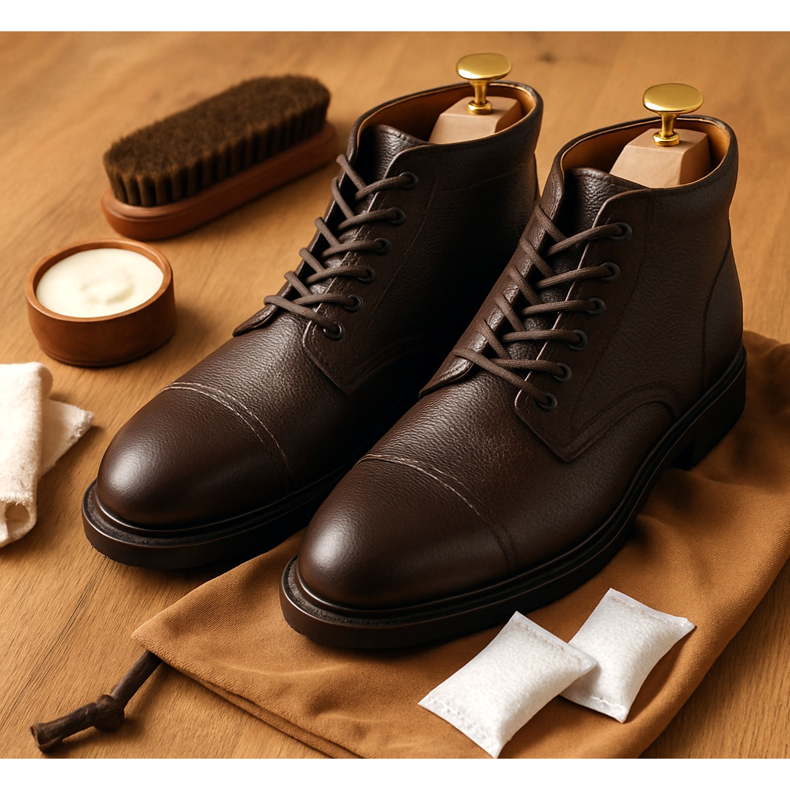
Tree trees
Insert wooden shoe trees - they will keep the shape of the shoes during long storage.
Fabric bags
Store your shoes in cloth bags or original boxes. DON'T use plastic bags - they don't allow your skin to breathe.
A dry, airy place
Avoid basements and damp places. Ideal: a wardrobe in an airy room.
Moisture-absorbing bags
Add silica gel sachets to boxes to prevent mold from growing.
Summary
Winter shoe care is an investment in their durability. Regular maintenance, impregnation and proper drying can extend the life of your shoes for many years.
Remember: prevention is cheaper than repair. It's better to spend 10 minutes a day on cleaning and maintenance than buying new shoes every season.
Well-cared for winter shoes will serve you for many years, maintaining their elegant appearance and functionality.