
How to care for leather shoes? Complete maintenance guide
Leather shoes are a classic that never goes out of fashion. To last for years and look like new, they require systematic care. Learn how to properly clean, maintain and store natural leather shoes to enjoy their beauty for many years.
Why is leather shoe care so important?
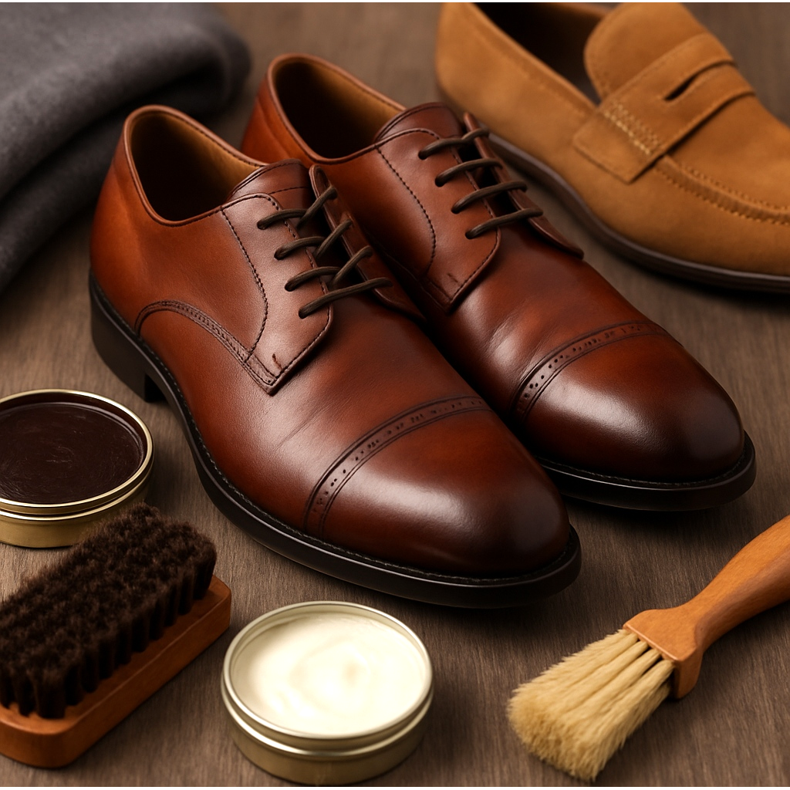
Natural leather shoes are an investment that can last for many years as long as you provide them with proper care. Leather is a natural material that breathes and changes over time. Without proper maintenance, it quickly loses elasticity, cracks and fades.
Regular care not only extends the life of your shoes, but also makes them look like new for a long time. Well-kept leather footwear is a sign of style and attention to detail. Regardless of whether you have elegant pumps, casual loafers or sports leather sneakers, they all require regular maintenance.
Remember that each skin type has its own specific needs. Grain leather requires different products than suede or nubuck. In this guide, we will present universal rules and detailed tips for specific skin types.
Basic rules for caring for leather shoes
Impregnation before first use
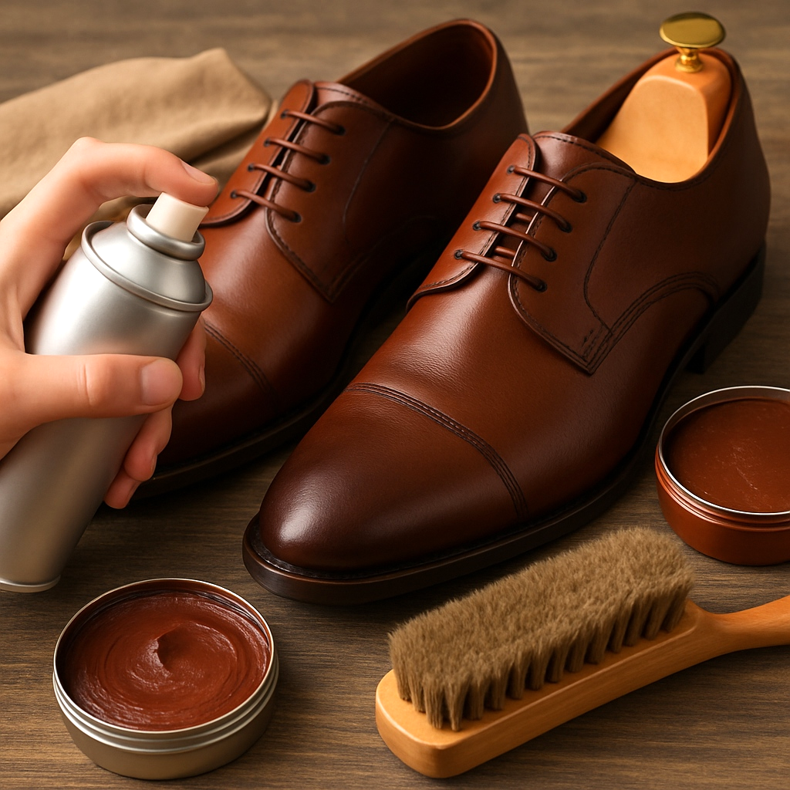
Before you wear new leather shoes for the first time, be sure to protect them with waterproofing. This is the key to the long life of shoes. The preparation creates an invisible protective layer that repels water, dirt and salt. It is best to use it twice with an interval of several hours, allowing the shoes to dry completely between applications.
Cleaning after each use
After returning home, it is a good idea to remove dust and dirt with a soft brush or damp cloth. Never use wet shoe cleaner directly under the tap. Too much water damages the skin, causing it to stiffen and crack. For daily cleaning, a slightly damp cloth is enough.
Drying properly
Wet shoes should never be allowed to dry on a radiator or in a direct heat source. High temperature destroys the structure of the skin and causes it to deform. Fill the shoes with newspapers or special wooden trees that will absorb moisture and maintain the shape of the shoe. Leave to dry in a ventilated place at room temperature.
Wear toothpastes and creams regularly
The skin, just like our skin, requires hydration. Apply appropriate shoe polish or cream once every two weeks. Spread the product with a soft cloth in circular motions. After about ten minutes, polish the shoes with a brush or flannel cloth. Thanks to this, the skin will remain elastic and shiny.
Storage
Shoes should be stored in a dry, ventilated place, away from direct sunlight. Textile bags that allow the skin to breathe are ideal. Shoe trees prevent creases and help maintain the correct shape of the upper.
Skin types and their specific needs
Grain leather
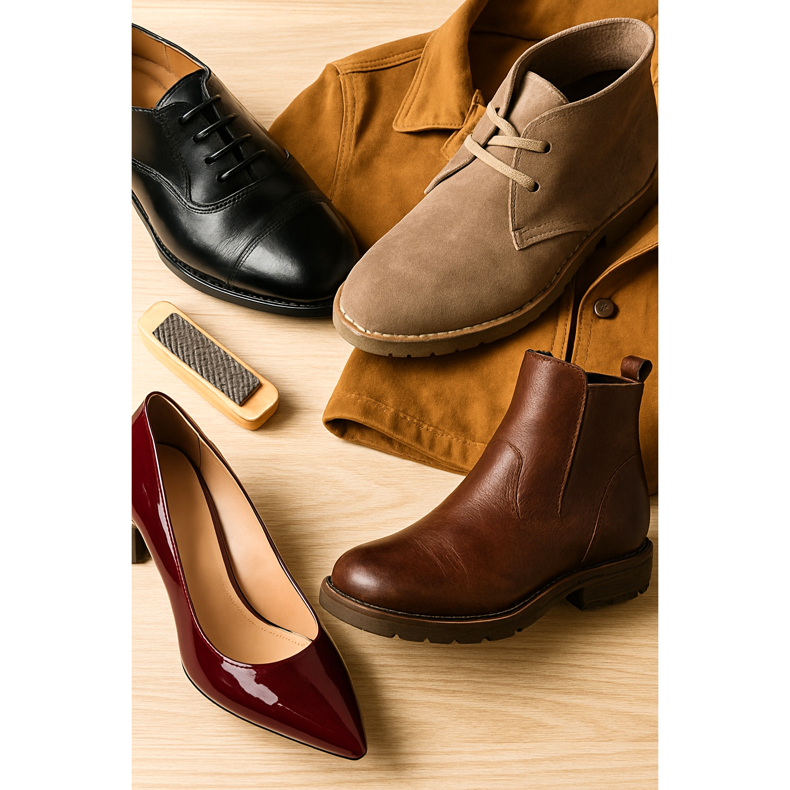
This is the most common type of leather in elegant and casual shoes. It is characterized by a smooth, shiny surface. For care, use creams based on natural wax that nourish and shine. After applying the cream, polish the shoes with a soft brush. Regularly use impregnations that increase water resistance. Grain leather tolerates cleaning well with a slightly damp cloth.
Suede and nubuck
These velvety types of leather are very delicate and require special care. Do not use ordinary shoe polishes! Invest in a special brush with rubber bristles that lifts the hairs of the material. For cleaning, use dry brushing or foams designed specifically for suede. Impregnation is absolutely necessary here, because suede absorbs water and dirt very easily. Avoid wearing suede shoes in rainy weather.
Patent leather
The varnished surface requires gentleness. Do not use aggressive cleaning agents or brushes. All you need is a soft, damp cloth and a special milk for patent leather. After cleaning, you can apply a thin layer of glycerin cream, which adds shine and prevents cracks in the paint. Be careful not to bend the shoes in painted areas, as this may cause irreversible scratches.
Oiled natural leather
This type of skin has a matte, slightly oily finish. It works perfectly in difficult weather conditions. For care, use oils or waxes intended specifically for oiled leather. Avoid ordinary pastes, which may change the nature of the material. Oiled leather is very resistant, but requires regular moisturizing to prevent it from drying out.
How to deal with the most common problems
White streaks from winter salt
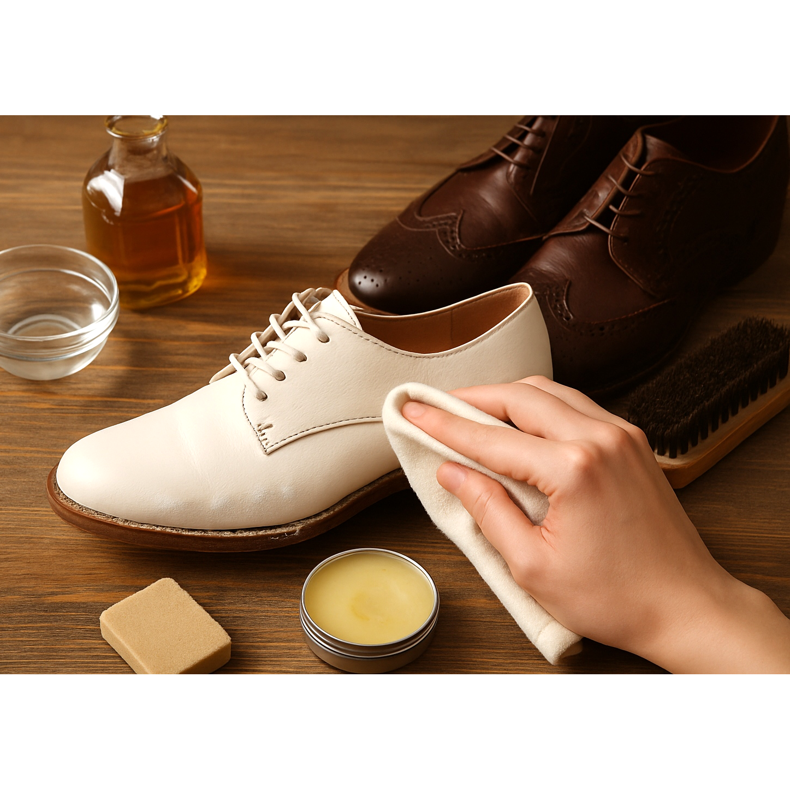
In winter, road salt is the biggest enemy of leather shoes. You can remove white stains with a mixture of vinegar and water in a ratio of one to two. Apply the solution to the streaks using a soft cloth, then wipe dry. Once completely dry, apply a nourishing paste or cream. Remember to waterproof your shoes more often than usual during the winter season.
Stains and dirt
Fresh stains are easiest to remove. The longer you wait, the harder it is to get rid of them. For greasy stains, use talcum powder or potato starch, which will absorb the grease. Leave it for a few hours and then remove it with a brush. For stubborn dirt on grain leather, you can use special cleaning foams. Suede requires delicate suede rubber or special sponges.
Scratches and abrasions
Minor scratches on grain leather can be camouflaged with a paste of an appropriate color. Deeper damage requires the intervention of a shoemaker. Some scratches can also be filled with special repair wax, which, melting under the influence of the heat of the hand, fills the scratches and smoothes the surface.
Bad smell
Odor in shoes is caused by the growth of bacteria in a moist environment. Air your shoes regularly and allow them to dry completely between wears. You can put baking soda sachets inside to neutralize odors. Special spray shoe deodorants are also available. It is also worth investing in replaceable antibacterial inserts.
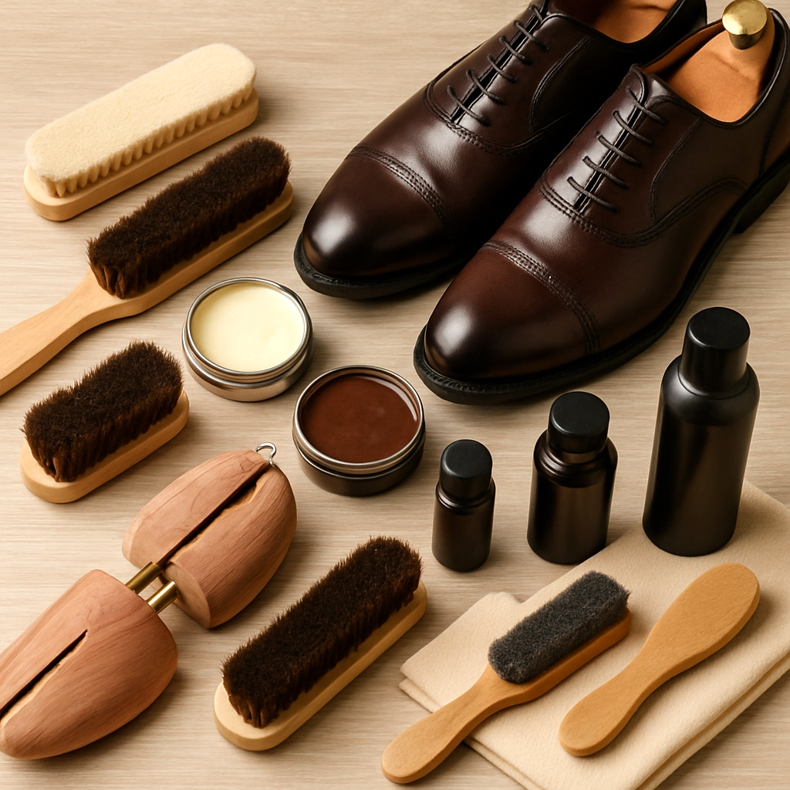
Essential shoe care products
Brushes
The basis is at least one good brush made of natural horsehair. For suede and nubuck, you need a brush with rubber fibers or a special sponge. It's a good idea to have separate brushes for light and dark shoes to avoid pigment transfer.
Pastes and creams
Choose good quality products with natural wax. The colors of the polishes should match the color of the shoes. Colorless creams work universally, but colored creams renew skin color better. Avoid products with silicone that clog skin pores.
Impregnations
This is one of the most important products. They are available in spray or liquid form. Choose those designed specifically for the type of skin you have. Impregnations create an invisible protective barrier against water, mud and salt.
Shoe trees
Wooden shoe trees are an investment that really pays off. They absorb moisture, prevent creasing and help maintain the proper shape of the shoe. The best ones are cedar ones, which additionally neutralize odors. Plastic shoe trees are cheaper but less effective.
Additional accessories
You may also find useful: soft flannel cloths, application sponges, a polishing brush, special rubbers for removing stains from suede and cleaning foams for various types of leather.
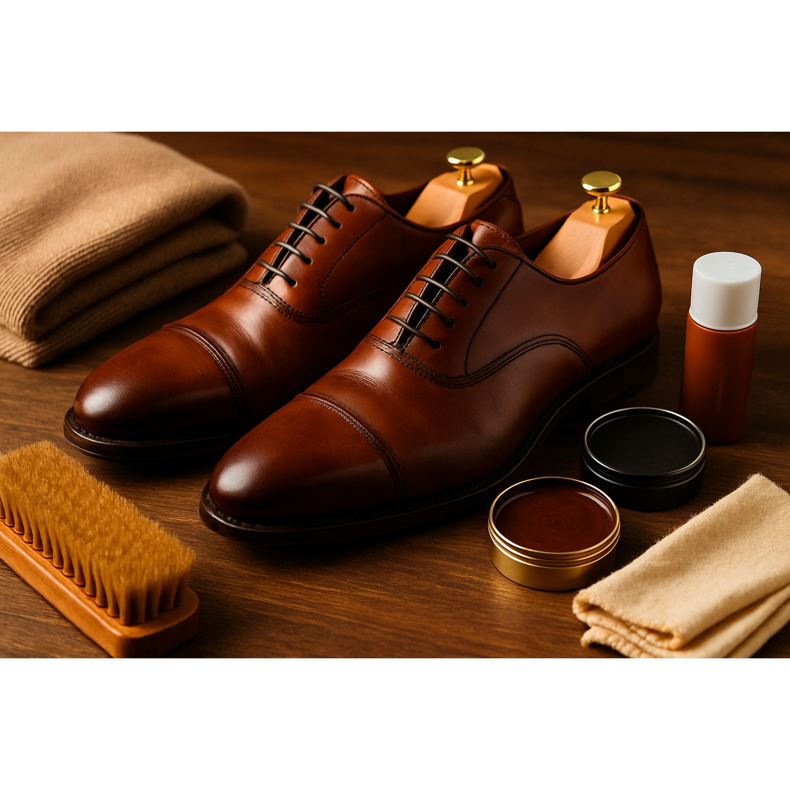
Summary – well-kept shoes for years
Caring for leather shoes is not a one-time activity, but a habit worth developing. Regular cleaning, impregnation and maintenance will keep your favorite shoes looking great for years. Remember that good quality leather footwear is an investment that will pay off many times with proper care.
Don't wait until your shoes are worn out to start caring for them. Prevention is always better than repair. Protect your new shoes before wearing them for the first time, clean them regularly and store them properly. Thanks to these simple rules, you will enjoy beautiful, well-kept footwear regardless of the weather and season.
If you encounter more serious damage, such as deep scratches, torn soles or damaged heels, do not hesitate to use the services of a professional shoemaker. Sometimes a repair done by a specialist is the best investment in the life of your favorite shoes.
Well-groomed shoes are not only a matter of aesthetics, but also of hygiene and comfort. Well-maintained leather is more flexible, does not rub your feet and provides better ventilation. This is an investment in the health of your feet and your appearance.