
How to break in new shoes? Proven methods and practical tips
New shoes often require breaking in to fit your foot perfectly. Learn how to safely and effectively break in leather shoes, what methods to use, how to protect yourself from abrasions and how to recognize if your shoes are simply too small.
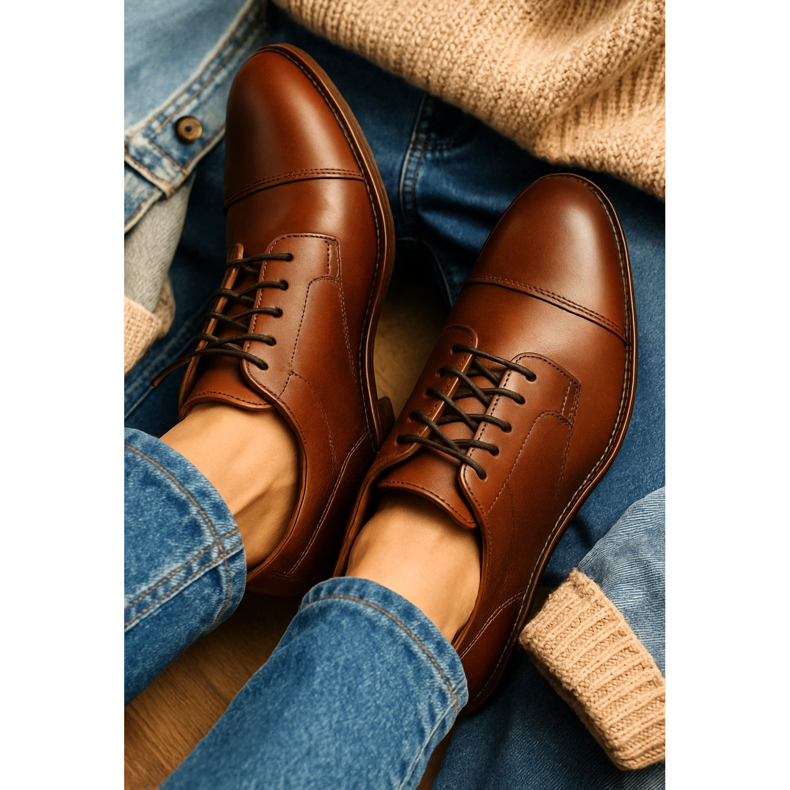
Why do new shoes need to be broken in?
Buying new shoes is always an exciting moment, but it often comes with the question: do I have to break them in? New shoes, especially high-quality ones made of natural leather, may be stiff and uncomfortable at first. The unfolding process allows them to adapt to the unique shape of your foot.
Improper shoe wear can lead to painful abrasions, blisters and long-term discomfort. On the other hand, well-worn shoes will become a second skin and will last for years.
In this guide, you'll learn how to break in new shoes safely and effectively, what methods to use, and how to tell if your shoes are simply too small.
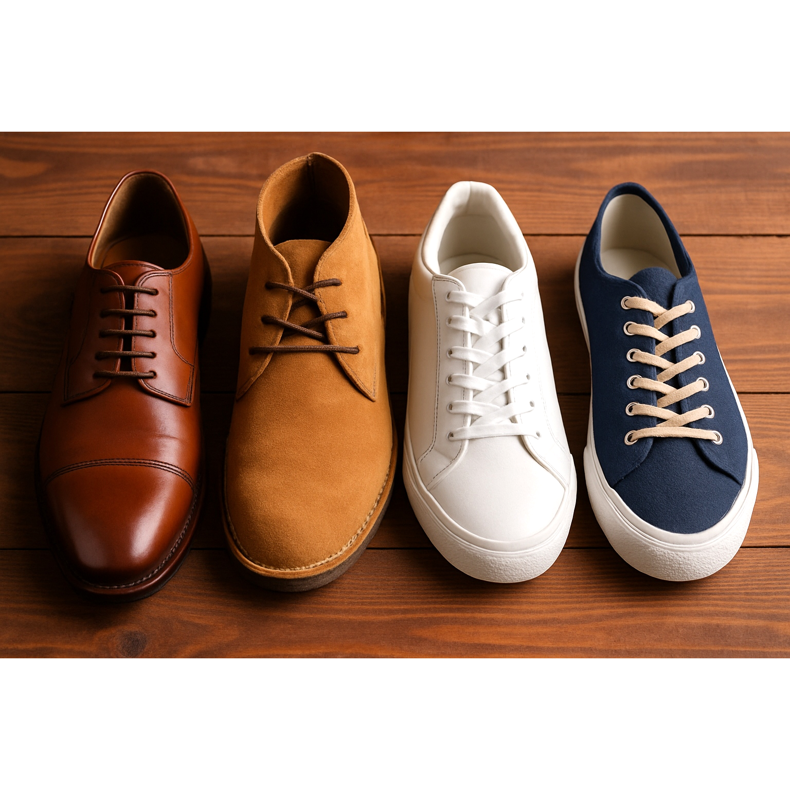
Which shoes need to be broken in?
Natural skin
Natural leather is flexible and adapts to the foot over time. New leather shoes may be stiff, but once they break in they will become very comfortable. Break-in time: 1-3 weeks.
Suede and nubuck
These materials are more flexible than smooth leather and break apart faster. They require more gentle treatment. Break-in time: 1-2 weeks.
Synthetic materials
Plastic and synthetics do not stretch like natural leather. If synthetic shoes are uncomfortable, they will probably stay that way forever. Separation: minimal or none.
Canvas
Textile materials stretch quickly and easily. They may even overstretch after a while. Break-in time: a few days.
How to break in shoes? Proven methods
Method 1: Gradual wearing at home (most reliable)
1. Wear new shoes at home for 30-60 minutes a day
2. Wear thicker socks for extra protection
3. Walking on the carpet softens the material
4. Gradually increase the wearing time (1h → 2h → 3h)
5. Once you feel comfortable, start wearing outdoors
Benefits: Safe, controlled, you can take your shoes off at any time
Time: 1-2 weeks
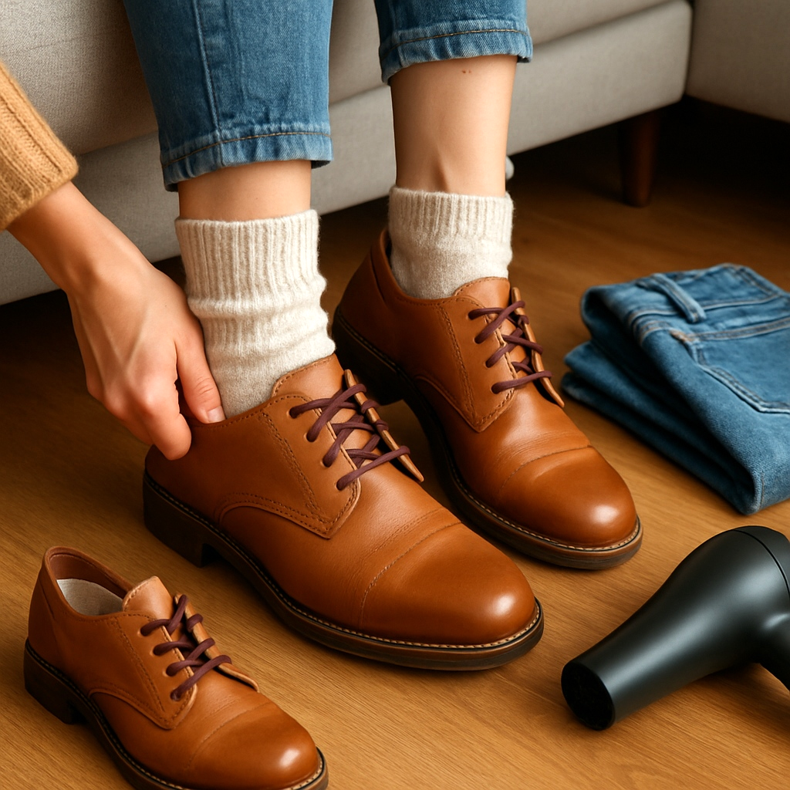
Method 2: Thick socks + dryer (fast)
1. Wear very thick socks (2-3 pairs at a time)
2. Put on your shoes (it will be tight)
3. Turn on the hair dryer and heat the shoes from the outside for 20-30 seconds
4. At the same time, move your feet, bend your toes
5. Leave the shoes on your feet until they cool down completely
6. Repeat several times
Benefits: Quick (1-2 days)
Attention: Do not use on delicate materials (suede, varnish)
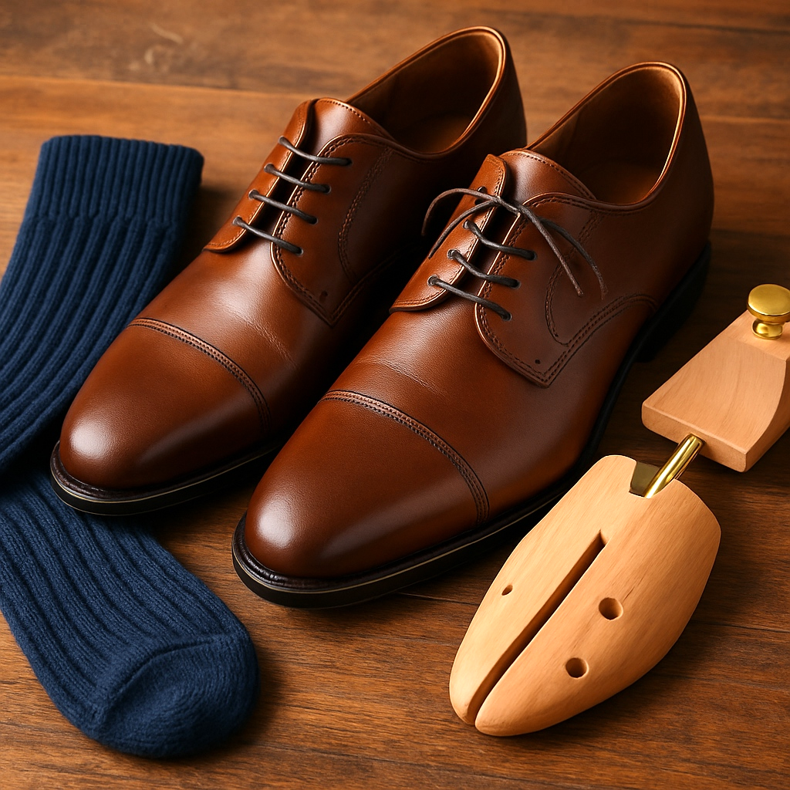
Method 3: Shoe stretchers
1. Buy professional stretchers (available in shoe stores)
2. Put it in your shoes and gradually stretch it
3. Leave for 24-48 hours
4. For a better effect: spray the interior with a stretching agent
Benefits: Precise, can be stretched in specific places
Cost: PLN 50-150 for temples
Method 4: Professional shoemaker
A shoemaker can professionally stretch shoes using specialized machines - safe and effective.
Cost: PLN 30-80
Time: 1-2 days
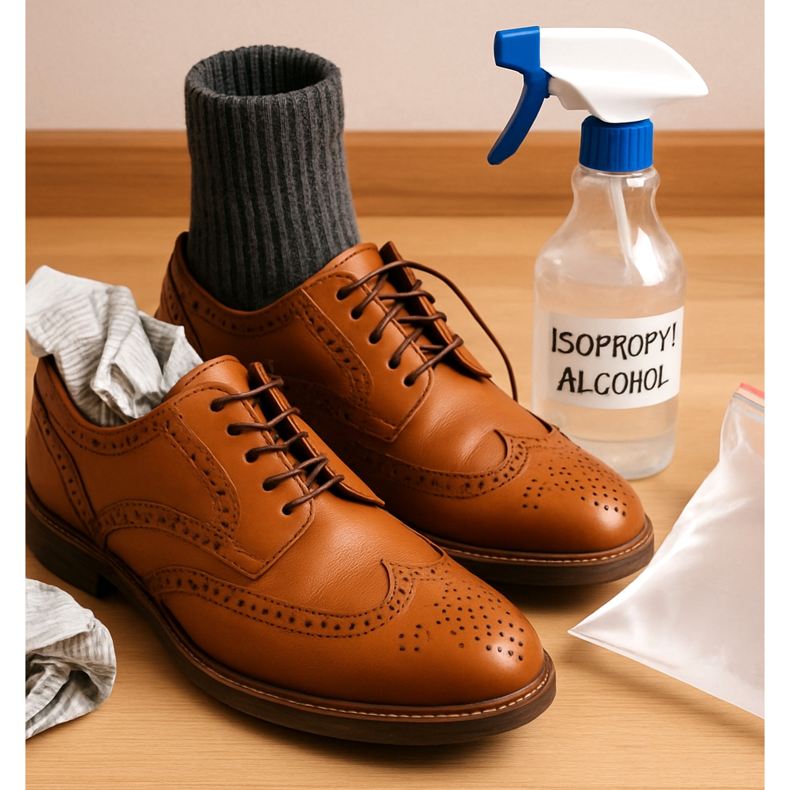
Additional spreading methods
Method 5: Alcohol (for spot problems)
1. Mix water and isopropyl alcohol (50/50)
2. Spray ONLY the areas that hurt (e.g. heel, sides)
3. Wear shoes with thick socks
4. Wear for 20-30 minutes
Attention: Test on an inconspicuous place first - it may discolor the material
Method 6: Water bags + freezer (experimental)
1. Put plastic bags in your shoes
2. Fill with water (not completely)
3. Close tightly
4. Place the shoes in the freezer
5. Water freezes and expands, stretching the shoes
6. Take out, wait until the water melts, remove the bags
Attention: Risky method - may damage delicate shoes. Do not use on expensive shoes!
Method 7: Newspaper (mild)
1. Soak the newspapers
2. Press firmly into shoes (fill tightly)
3. Leave to dry (24-48h)
4. Take out the newspapers - your shoes should be a little wider
Benefits: Safe, free
Time: A few days of repetition
How to protect yourself from abrasions?
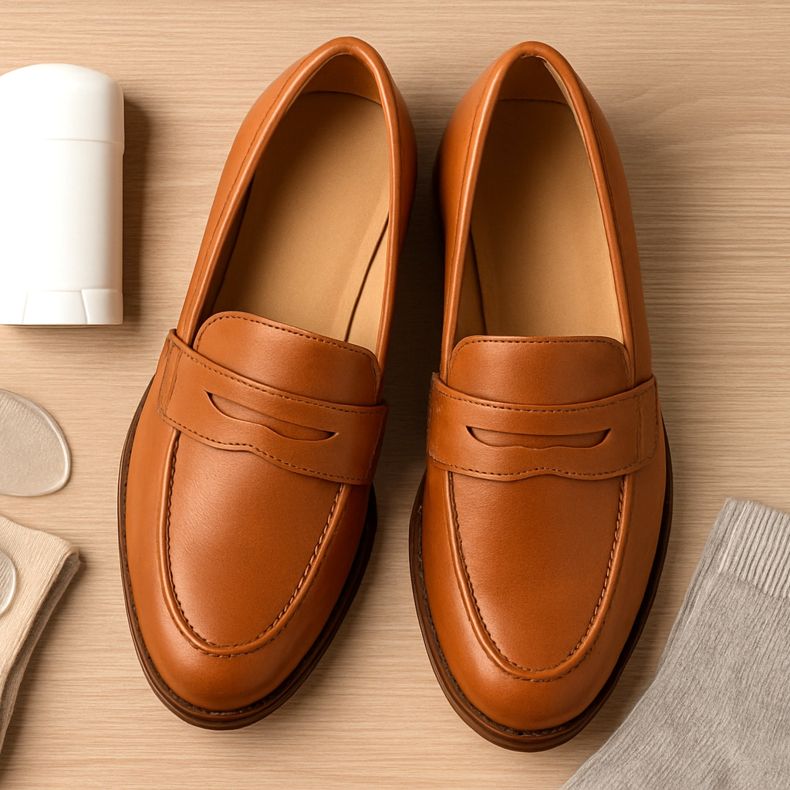
Patch on heel and toe
Apply protective patches to areas exposed to abrasion (heel, sides of toes) BEFORE blisters appear.
Gel inserts and pads
- Gel heel pads prevent the shoe from slipping
- Gel inserts under the front of the foot reduce pressure
- Pads on the back of the foot protect against abrasion
Vaseline or deodorant
Lubricate areas exposed to abrasions (e.g. the bottom of the foot) with Vaseline or a deodorant stick - it will reduce friction.
Two different sock sizes
Wear thinner socks initially (when shoes are tight), then move on to thicker ones.
When are shoes just too small?
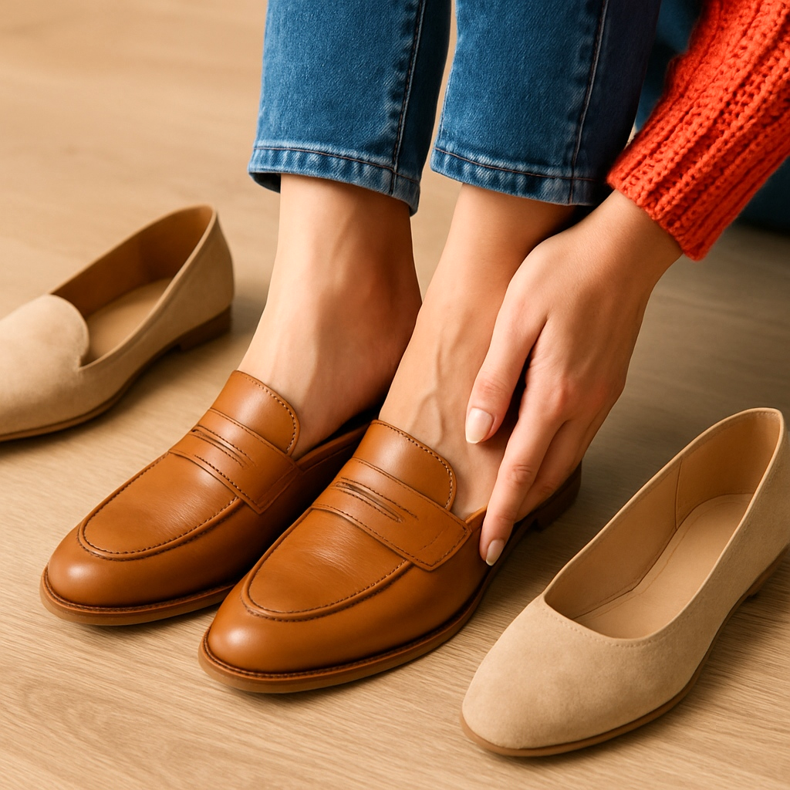
Recognizing shoes that are too small:
✗ Your fingers are squeezed and you have no room to move
✗ You feel pain even when worn for a short time
✗ The skin melts from the top
✗ The heel protrudes beyond the shoe
✗ After 2-3 weeks of breaking in, they are still very uncomfortable
How far can they stretch?
- Natural leather: approximately half a size in width
- Suede/nubuck: half size
- Synthetics: almost none
- LENGTH doesn't stretch - only width!
What to do with shoes that are too small?
- If they are new, return them to the store
- If your return policy doesn't allow it - consider resale
- A visit to the shoemaker - they can stretch it, but only to a certain extent
- Accept the loss - foot health is more important than money
Practical tips
1. Shop for shoes in the afternoon
Feet swell during the day. Shoes bought in the morning may be too tight in the evening.
2. Always try on with the right socks
Thicker socks in winter may require half a size more.
3. Walk in the shoes before purchasing
It's not enough to put them on - take a walk, do a few squats, check if anything is tight.
4. Check the returns policy
When purchasing online, make sure you can return the shoes if they do not fit.
5. Don't wear new shoes to important events
Break in your shoes BEFORE the wedding, important meeting or trip.
6. Be patient
High-quality leather shoes may take a few weeks to break in - this is normal. Don't give up after the first day.
Summary
Breaking in new shoes is a process that requires patience, but if done properly, it will result in perfectly fitting shoes that will last for years. Choose to wear it gradually at home, use thick socks and stretchers, and in case of problems, seek the help of a professional shoemaker.
Remember: the shoes should be a slight discomfort at first, but NOT a pain. If they are still very uncomfortable after 2-3 weeks of breaking in, they are probably just too small.
Well-worn shoes are an investment in the comfort and health of your feet - it's worth taking the time to do it properly.