Expensive shoe odors – natural neutralization methods and prevention
Shoe odors are a common problem, but they can be avoided with preventive care. Learn about natural causes and practical ways to prevent problems before they appear.
1. Introduction: shoe odors are more than just a hygiene issue
Anyone who has ever had to deal with shoe odor knows how frustrating it can be. An unpleasant odor not only affects the comfort of wearing, but also causes social discomfort. What's worse, the source of the problem is not always the feet themselves - sometimes it's the moisture trapped in the shoes, which creates an ideal environment for bacteria. In this article, we will discover where this problem comes from, what its natural causes are and, above all, how to prevent it prophylactically, instead of waiting for the odors to appear.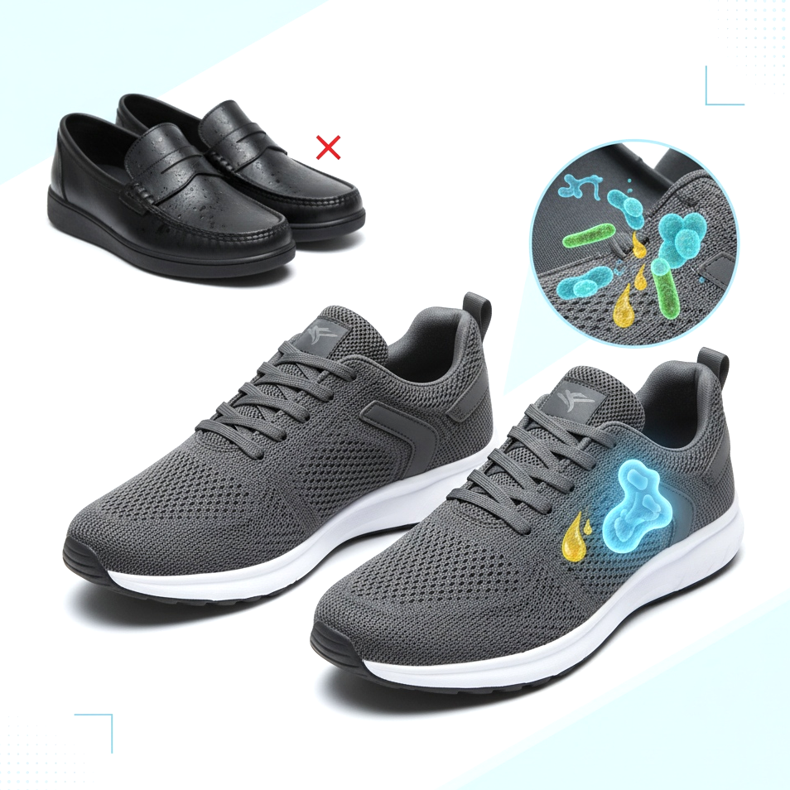
2. The biology of smell: what's really going on
To combat shoe odors, you must first understand their source. Sweat from our feet has no odor itself - the bacteria that live on our feet metabolize sweat and secrete odor compounds. Moisture trapped in shoes creates ideal conditions for the growth of bacteria and fungi. If we wear the same shoes every day, they never have time to dry completely. At night, your feet sweat and your shoes, instead of drying out, retain moisture. This is the perfect place for fragrance. Footwear made of non-breathable materials, such as synthetics or plastic, are particularly susceptible to this problem.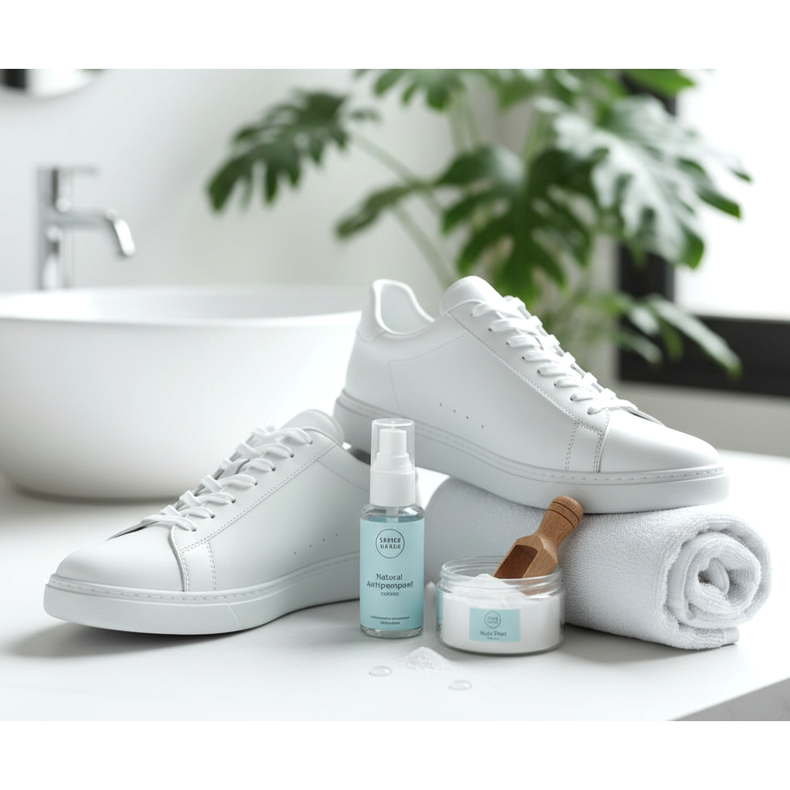
3. Prevention at the foot level: hygiene is key
The first and most important step in prevention is to keep your feet clean. Wash your feet every day, especially before putting on shoes. If you work in an environment that causes sweaty feet (hot office, intense sports), consider washing your feet during the day. After washing, dry your feet thoroughly - moisture is the enemy. If you already have a problem with sweaty feet, you can apply antiperspirant or antiperspirant cleanser directly to your feet. Some people naturally have more active sweat glands - if that's you, be especially vigilant about cleanliness and dryness.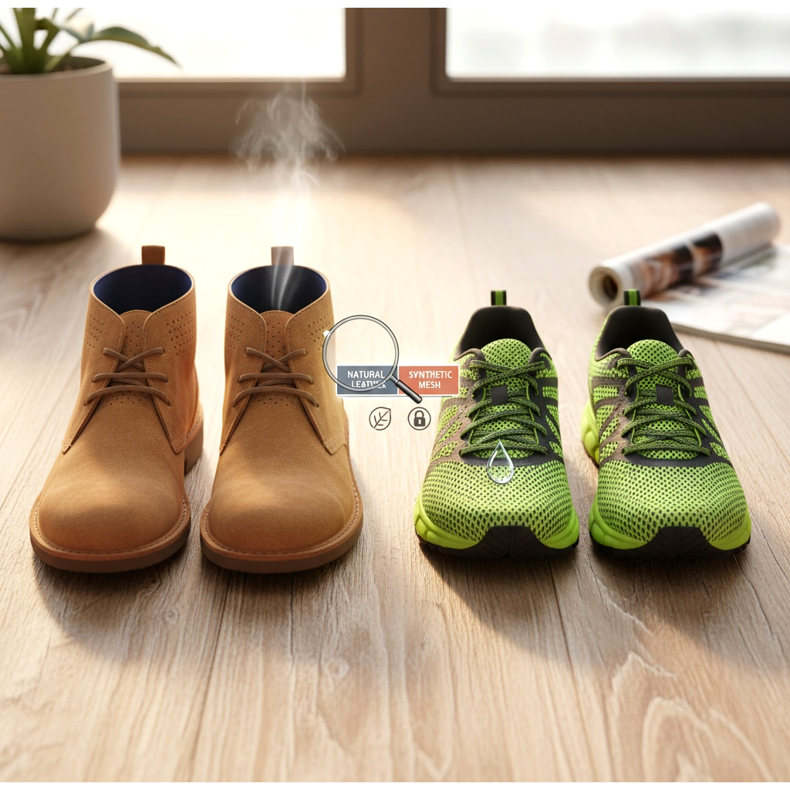
4. Choosing the right material: leather vs. synthetics
The material from which shoes are made has a huge impact on their ability to retain odors. Natural leather breathes and allows sweat to evaporate, while synthetic leather retains moisture. If you are susceptible to odors, invest in shoes made of natural leather, camel leather, suede or breathable materials. Air permeability reduces the chances of moisture accumulation. Additionally, some shoes have special antibacterial linings or moisture-absorbing materials - it is worth looking for such models if you have a problem with odors.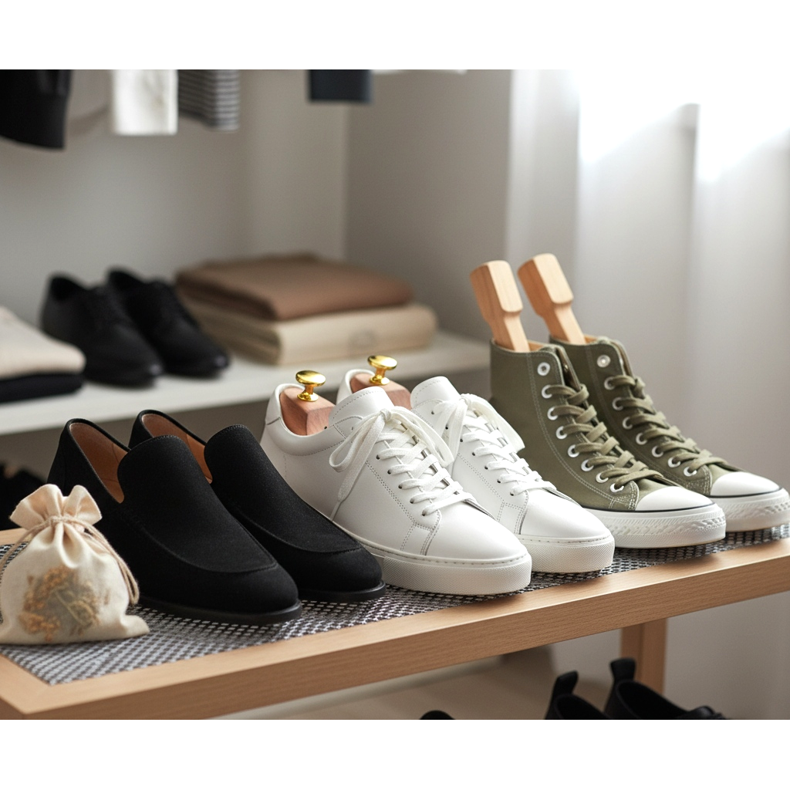
5. Rotate your shoes: Give them time to dry
Never wear the same shoes two days in a row. The shoes need time to dry between wears - at least 24 hours. Ideally, you should have at least two pairs of shoes that you can alternate. This way, each pair has time to dry naturally, and moisture and bacteria do not have a chance to accumulate. If possible, consider having three pairs - this way each shoe will have even more time to dry. This is a small investment that will go a long way towards solving your odor problem in the long run.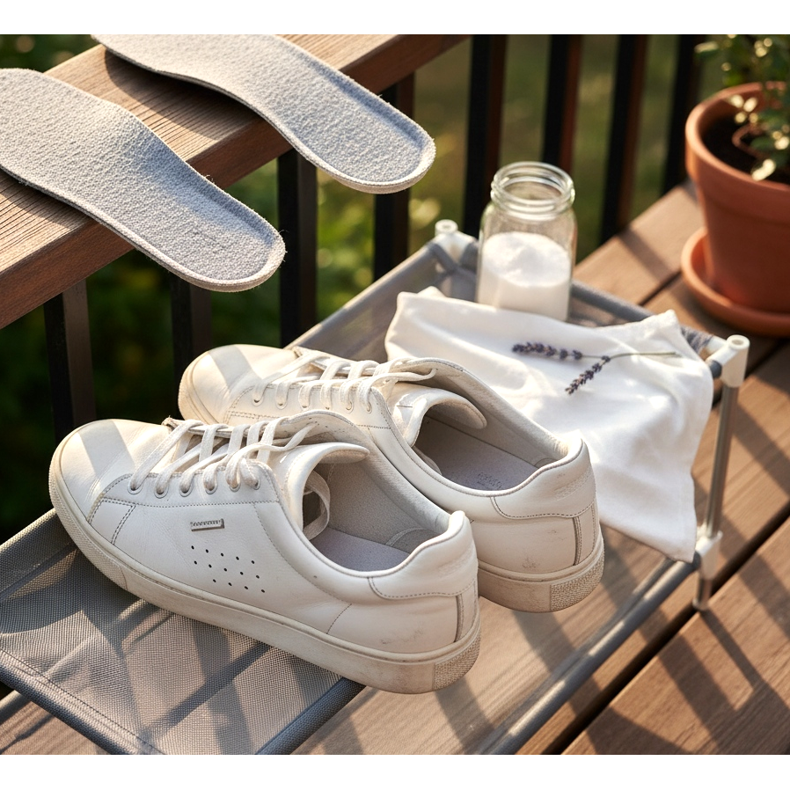
6. Insoles: part of the problem and part of the solution
When you come home, remove the insoles from your shoes and let them dry separately. Insoles, especially soft and sweat-absorbing ones, are magnets for odors. Sometimes you can replace the inserts with new ones or wash them in hot water. Additionally, unpack your shoes immediately - do not leave them jammed in a bag or closet. If your shoes are damp, place them in a well-ventilated place, preferably in the sun, which has natural antibacterial and disinfecting properties.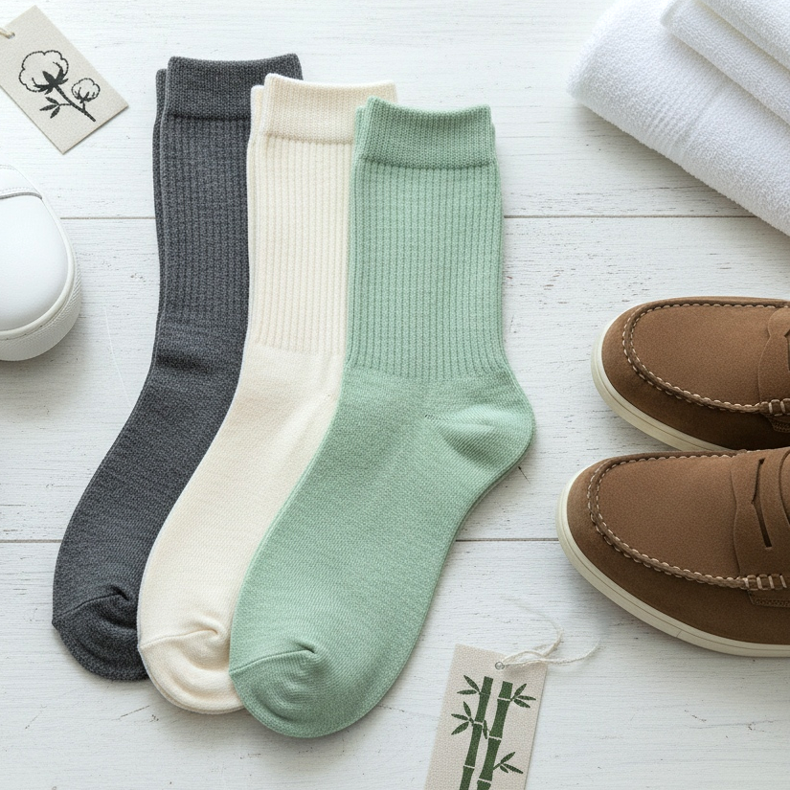
7. Socks: Don't underestimate their importance
Socks matter more than you think. Cheap, synthetic socks absorb less sweat and do not breathe well. Invest in socks made of natural materials - cotton, bamboo or merino wool. These materials are better at absorbing sweat and have natural antibacterial properties. Change socks every day - never wear the same socks two days in a row. Damp socks are the perfect medium for bacteria, which are ultimately responsible for odors in shoes.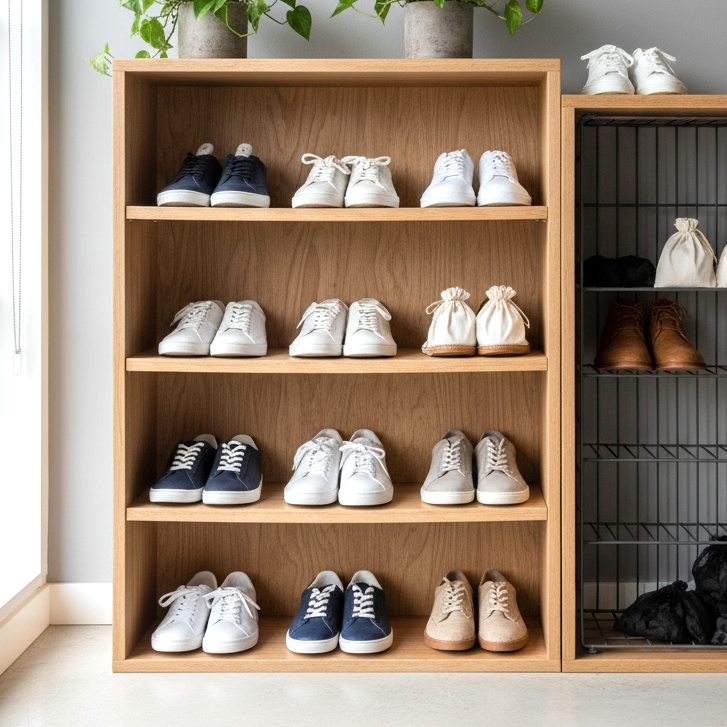
8. Storage: safe for shoes, safe for smell
Storing shoes in warm, moist places (such as a bathroom cabinet or a closed bag) promotes the growth of bacteria. Instead, store your shoes in a dry, well-ventilated place - preferably in an open closet or on a shelf, where they can "breathe". If you have a large shoe collection, consider adding a bag of baking soda to each pair - baking soda absorbs moisture and odors. He changes it every month. Some people also use activated carbon for the same purpose - it is extremely effective.