
Ecological shoes – how to choose footwear with the planet in mind
Ecological footwear is not a passing trend, but a conscious choice. Find out what to pay attention to when buying environmentally friendly shoes.
Why eco-friendly shoes matter
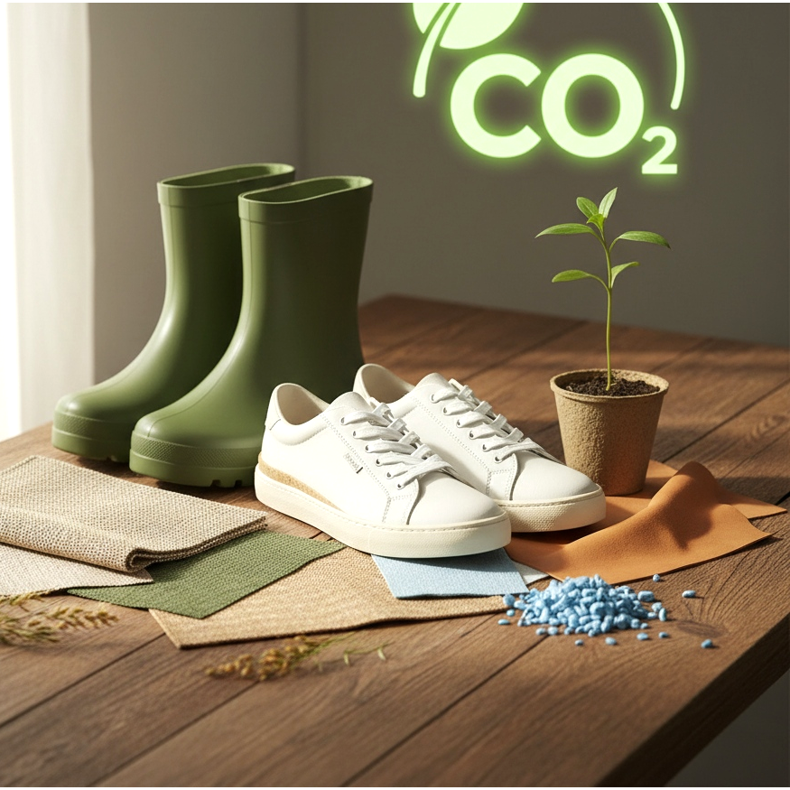
The footwear industry is one of the most resource-intensive fashion sectors. The production of one pair of sports shoes generates on average 14 kg of CO2 emissions - as much as leaving a light bulb on for a week. More than 24 billion pairs of shoes are produced worldwide each year, a significant portion of which ends up in landfills in just one season.
Conscious consumers are increasingly asking themselves: Can I wear fashionable shoes and take care of the planet at the same time? The answer is yes. The ecological footwear market is developing dynamically, offering more and more stylish alternatives that do not burden the environment. Knowledge is the key - when you know what to pay attention to, making ecological purchasing decisions becomes simple and natural.
Materials of the future - what ecological shoes are made of
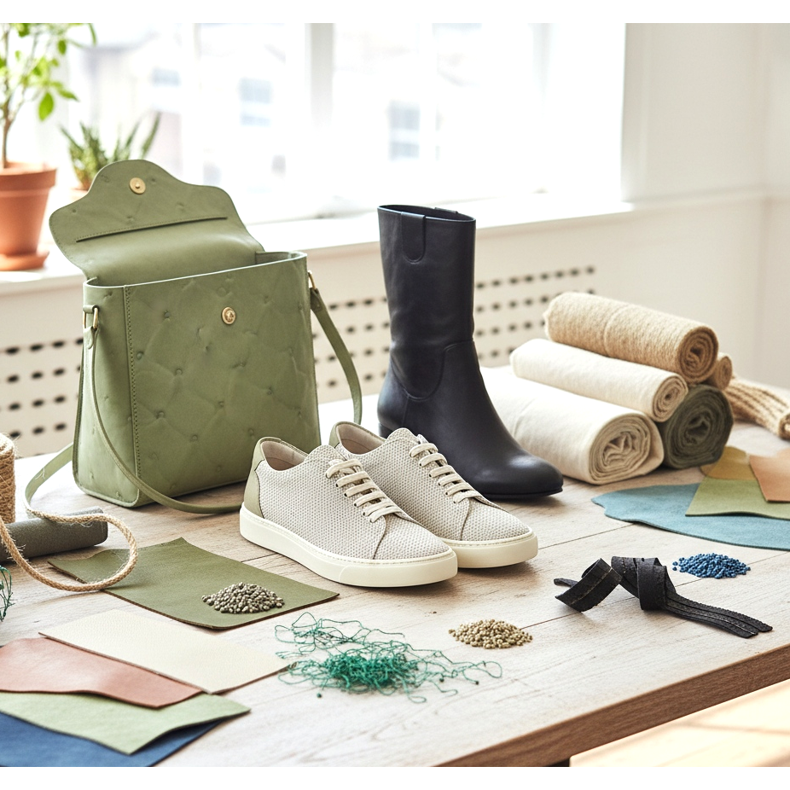
The basis of ecological footwear are sustainably sourced materials. Vegetable leather made from pineapple (Piñatex), mycelium (Mylo), cactus (Desserto) or apples (Apple Skin) are some of the most interesting innovations in recent years. These materials mimic the appearance and properties of natural leather while eliminating the need for animal husbandry and the toxic tanning process.
Recycled footwear is another promising category. Many brands use recycled PET bottles, fishing nets recovered from the oceans or used car tires to produce soles and uppers. Don't forget about traditional natural materials - organic cotton, hemp, linen and jute are biodegradable raw materials, grown without pesticides.
What to pay attention to when purchasing – certificates and markings
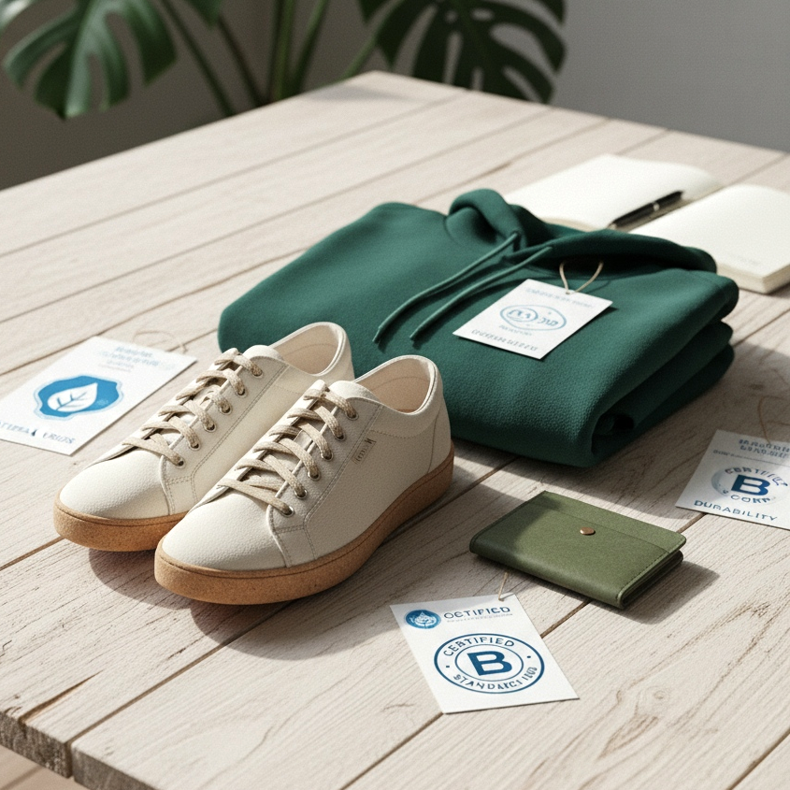
The mere mention of eco on the label does not guarantee that the shoes are actually environmentally friendly. To avoid greenwashing, it is worth knowing key certificates. GOTS (Global Organic Textile Standard) confirms that textile materials are produced from organic raw materials. OEKO-TEX Standard 100 guarantees the absence of harmful chemicals. B Corp certification means that the entire company meets high social and environmental standards.
Also pay attention to the transparency of the brand. Responsible manufacturers openly communicate where materials come from, where production takes place and what working conditions prevail in factories. Another indicator is durability - ecological shoes should last much longer than fast fashion.

Ecological shoe care – extend the life of your shoes
The most eco-friendly shoes are the ones you already have - as long as you take proper care of them. Regular care can extend the life of shoes even twice. Instead of synthetic preparations full of chemicals, use natural alternatives: beeswax for leather impregnation, coconut oil for softening, apple cider vinegar for removing stains from fabrics.
Storage is equally important. Shoes should dry naturally, away from radiators. Use wooden trees that absorb moisture and maintain their shape. If your shoes become worn out, consider repairing them instead of throwing them away - your local shoemakers can work wonders.
Summary – one small step for you, one giant step for the planet
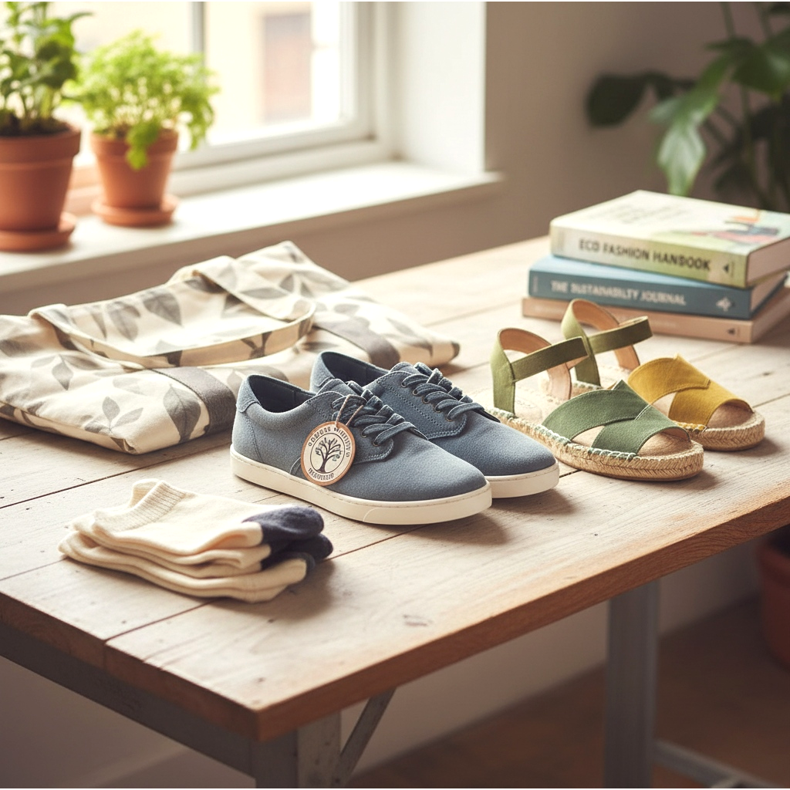
Switching to eco-friendly footwear does not require a revolution - just a series of small, conscious decisions. Start with education: learn about materials, check certifications, ask brands about their practices. Choose quality over quantity the next time you purchase. Take care of the shoes you already have, repair them instead of throwing them away.
Remember that every purchasing decision is a vote for the world you want to live in. By choosing eco-friendly shoes, you support innovative materials, fair working conditions and a smaller carbon footprint. In our store you will find an increasingly wider range of footwear from brands that focus on sustainable production. We encourage you to browse our collection!