
Ecological men's shoes - sustainable and ethical shoe brands
The footwear industry has a huge impact on the environment. Find out what ecological and ethically produced men's shoes are, get to know the best sustainable brands and discover how to make more responsible shoe purchases.
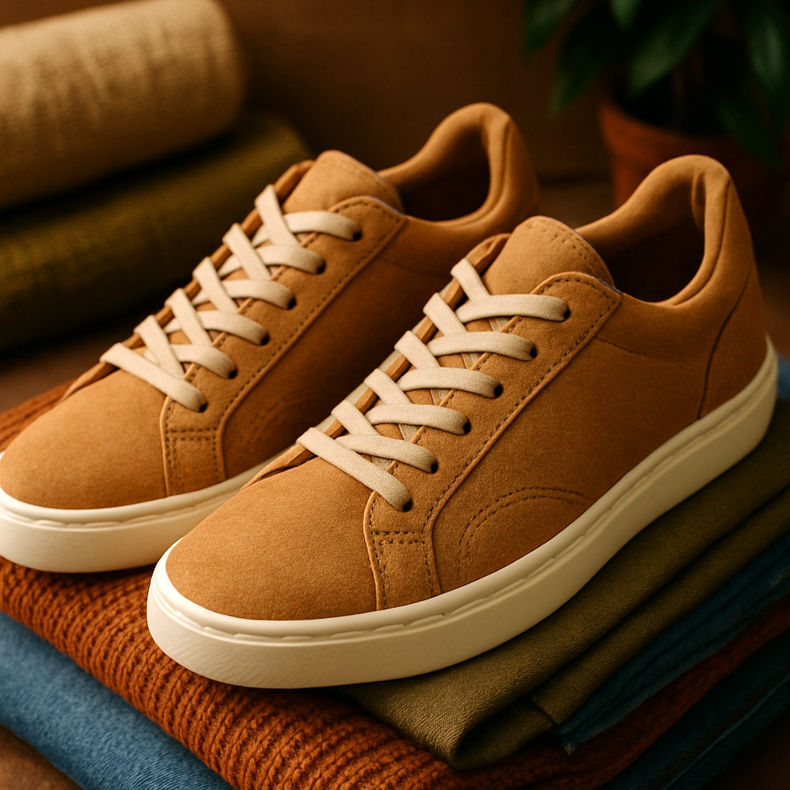
Why do eco-friendly shoes matter?
Ecological and social awareness is becoming more and more important in the world of fashion. The footwear industry is one of the most polluting sectors - from leather production, to water use, to CO2 emissions and mountains of textile waste.
Fortunately, the number of brands offering ecological and ethically produced footwear is growing. Sustainable footwear is not only about caring for the planet, but also about the people working in factories and the quality of the products we buy.
In this guide, you will learn what eco-friendly footwear means, which brands are worth supporting and how to make more responsible purchasing decisions.
The impact of the footwear industry on the environment
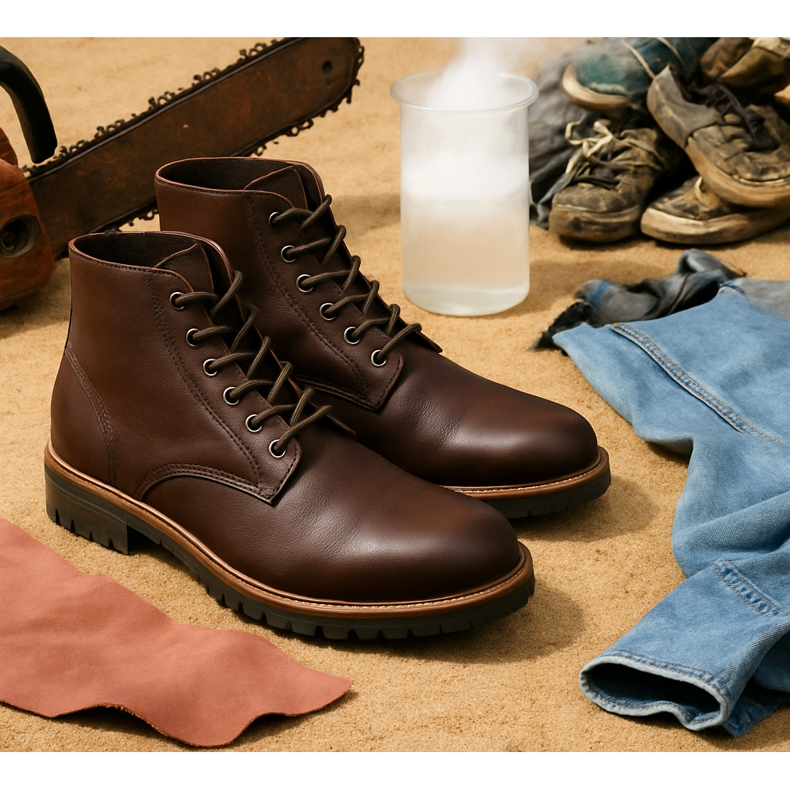
Water consumption
The production of one pair of leather shoes requires approximately 8,000 liters of water (tanning, dyeing).
Chemicals
Leather tanning uses toxic chemicals (chromium, formaldehyde) that end up in rivers and soil.
CO2 emissions
The transport of materials and finished products generates huge amounts of carbon dioxide.
Waste
About 300 million pairs of shoes are thrown away every year. Most of it ends up in landfills, where it takes decades to decompose.
Overproduction
Fast fashion encourages people to buy cheap shoes that quickly deteriorate and end up in the trash.
Working conditions
In many factories in Asia, workers are exploited - low wages, poor conditions, long hours.
What are eco-friendly shoes?
Ecological materials
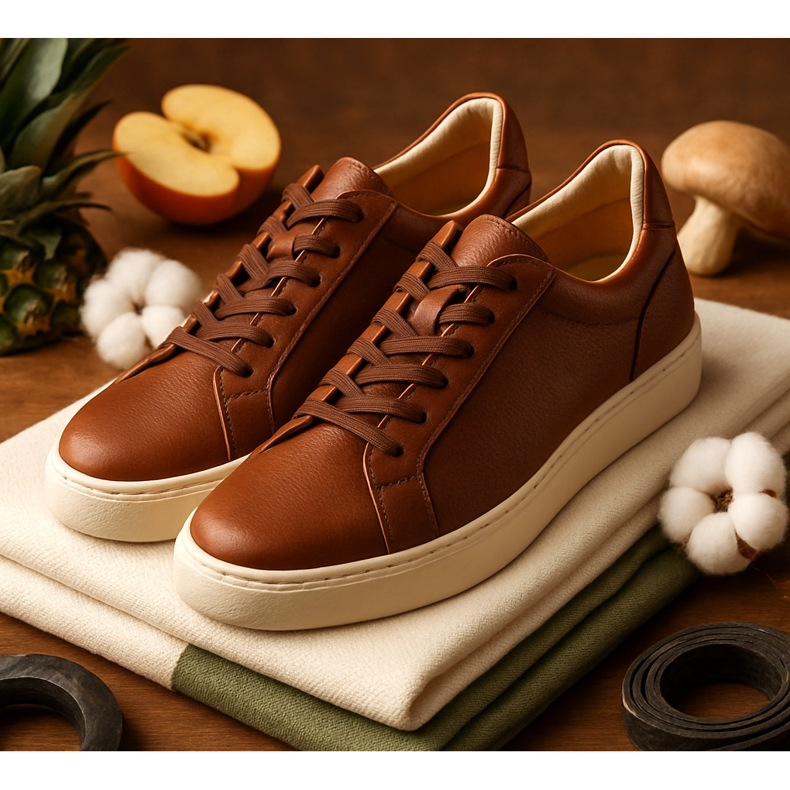
- Vegan leather: Plant-based alternatives (Piñatex from pineapple, Mushroom leather from mushrooms, Apple leather from apples)
- Recycled materials: Plastic from the oceans, recycled PET bottles, old tires
- Organic Cotton: Organic cotton without pesticides
- Wool: Wool from certified farms (animal welfare)
- Natural Rubber: Natural rubber instead of synthetic materials
Ethical production conditions
- Fair wages
- Safe working conditions
- Prohibition of child labor
- Transparent supply chains
- Certificates: Fair Trade, B Corporation, SA8000
Waste minimization
- Zero waste production
- Recycling of materials
- Take-back programs (return of old shoes for recycling)
Local production
- Shorter supply chains = lower CO2 emissions
- Support of local craftsmen
- Made in Europe instead of mass production in Asia
Durability
- Shoes designed to last for years
- Possibility of repair and resoling
- Timeless design (not quickly changing trends)
Brands producing ecological men's shoes
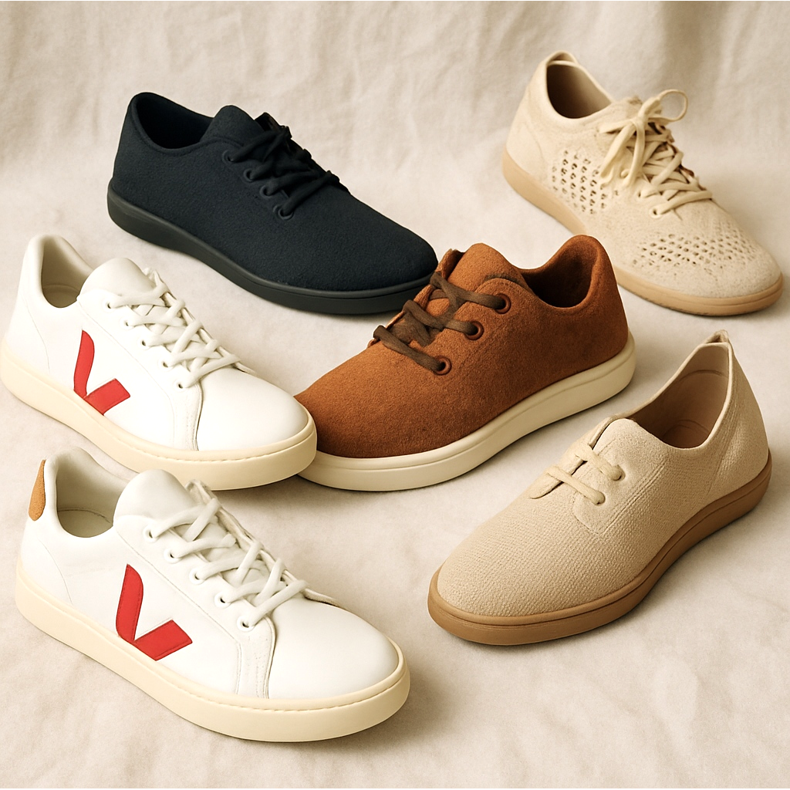
Veja (France)
Specialization: Sneakers
Materials: Organic cotton, wild rubber from the Amazon, recycled plastic
Production: Brazil, Fair Trade
Price: PLN 400-600
Why is it worth: The most recognizable sustainable sneakers brand, transparent supply chains
Allbirds (USA)
Specialization: Wool sneakers
Materials: Merino wool, eucalyptus fiber, sugar cane salts
Production: Carbon neutral (CO2 offset)
Price: PLN 400-500
Why is it worth: Comfortable, minimalist, innovative materials
Rothy's (USA)
Specialization: Moccasins, flats
Materials: 100% recycled plastic bottles
Production: Zero waste, 3D knitting
Price: PLN 500-700
Why is it worth: Machine washable, innovative technology
Vivobarefoot (UK)
Specialization: Minimalist barefoot shoes
Materials: Recycled and plant-based materials
Production: Ethical, ReVivo program (repair and recycling)
Price: PLN 500-800
Why is it worth: Healthy for feet, innovative design
Thousand Fell (USA)
Specialization: Fully recyclable sneakers
Materials: Natural, plant-based, recyclable
Production: RecycleBack program - you send back your old shoes and get a discount
Price: PLN 450-600
Why is it worth: 100% recyclable
Native Shoes (Canada)
Specialization: Light, vegan casual shoes
Materials: Plant-based EVA, recycled materials
Production: Remix program (recycling old shoes)
Price: PLN 250-400
Why is it worth: Affordable prices, convenient

European and established brands with ecological lines
Crockett & Jones, Tricker's, Loake (UK)
Traditional British brands offering Goodyear Welted shoes - durable, resolable, lasting for decades. This is the most sustainable approach - you buy once, wear for years.
Meermin, Carmina (Spain)
High-quality formal shoes at reasonable prices. Goodyear Welted, European production, durability.
El Naturalista (Spain)
Ecological materials, production in Spain, comfort-focused.
Timberland (USA) - Earthkeepers line
Recycled materials, organic cotton, take-back program.
Adidas (Germany) - Parley line
Ocean plastic sneakers, innovative recycling technologies.
How to make more conscious shoe purchases?
1. Buy less but better (the most important!)
Instead of 5 cheap pairs, buy 2 high-quality ones. They will last for years.
2. Choose shoes that can be repaired
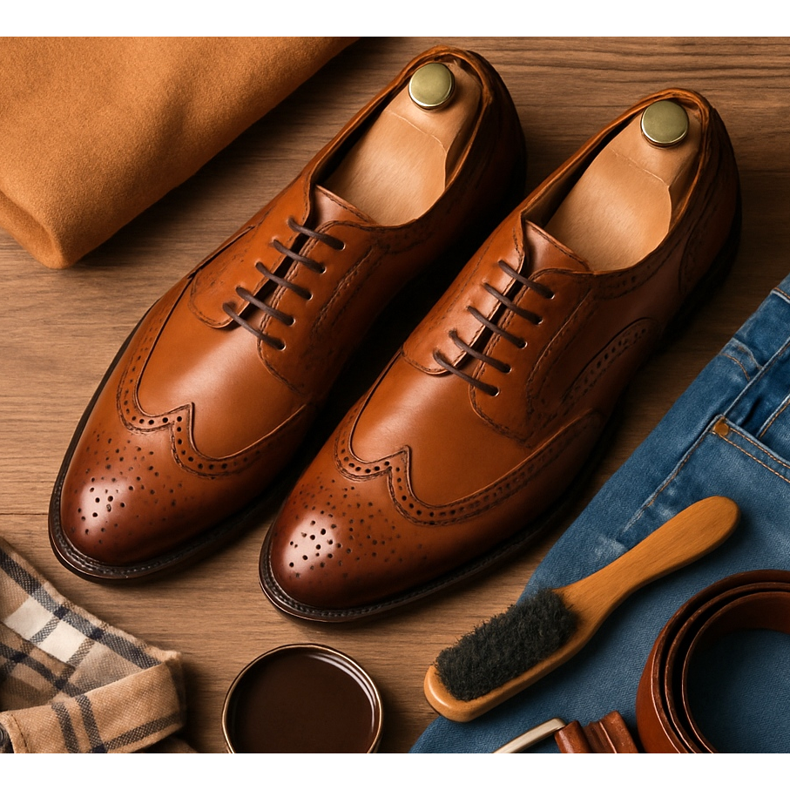
Goodyear Welted can be resoled many times. This is the most sustainable design.
3. Take care of your shoes
Regular maintenance extends the life of your shoes by years. Cream, boards, impregnation.
4. Repair instead of throwing away
A visit to a shoemaker costs PLN 50-100 and can save your shoes for years to come.
5. Buy second-hand
Premium used shoes (Crockett & Jones, Allen Edmonds) are often in excellent condition and cost a fraction of the price of new ones.
6. Support local brands
Shorter supply chains = lower CO2 emissions.
7. Recycle old shoes
Many brands (Nike, Adidas, H&M) accept old shoes for recycling.
8. Avoid fast fashion footwear
Cheap shoes = low quality + exploitation of workers + quickly in the trash.
Summary
Ecological men's shoes are not only fashion, but responsibility for the planet and people. The footwear industry has a huge impact on the environment, but each of us can change our shopping habits.
The key is to buy less, but better - shoes that are durable, repairable, ethically produced, with respect for the environment. Support brands that care about transparency and sustainability.
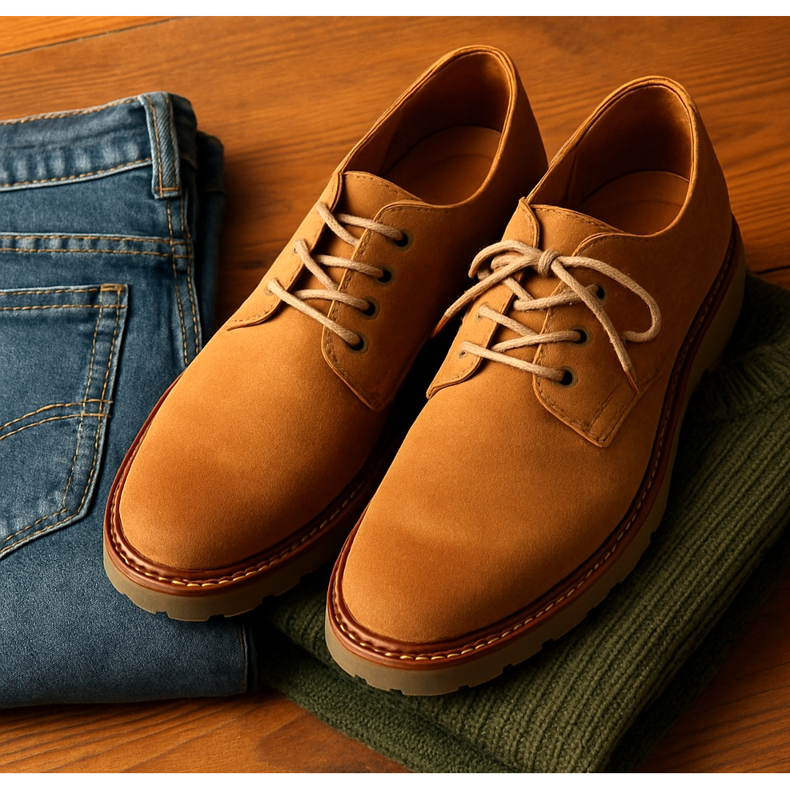
Remember: the most eco-friendly shoes are the ones you already have - take care of them, repair them and wear them as long as possible.