Children's flip flops - comfortable and fashionable choices for your child








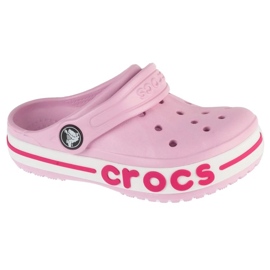


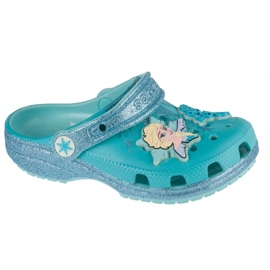


Introduction to children's flaps
Children's flip flops are irreplaceable summer footwear, which ensures comfort and breathability on hot days. Their simple design and ease of putting on make them perfect for both young children and older children. Slippers available on the market differ in material, design and functionality. In this article, we will look at the most important aspects of choosing the right flip -flops for children, their advantages and the latest trends in the world of children's footwear.
Materials and their importance in choosing children's flaps
When choosing flip-flops for children, it is worth paying attention to the materials they are made of. Natural materials, such as leather or high-quality plastics, ensure better breathability and wearing comfort. Soft inserts and elastic straps minimize the risk of blisters and abrasions. For the youngest, we recommend models with antibacterial finishes that ensure foot hygiene. Modern technologies allow you to create light, durable flip-flops that will last for several seasons without losing quality. Rubber soles with non-slip tread ensure safety when playing by the water or on wet surfaces.
Design and colors of children's flip flops
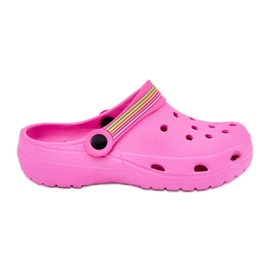
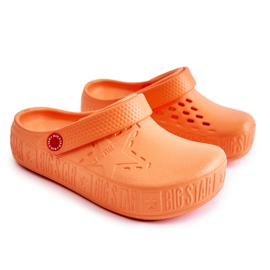
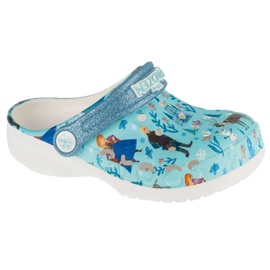
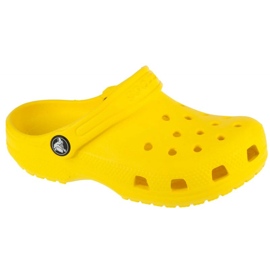
Children love colorful and interesting patterns on shoes. Manufacturers have no shortage of creativity in creating models that will convince the youngest to wear flip-flops. Motifs from fairy tales, cartoon characters, animals and attractive geometric patterns are just some of the options available on the market. It is also important for parents that the flip-flops have universal colors that match various outfits and occasions. Trends in children's fashion increasingly focus on ecological patterns and natural colors that fit the idea of a conscious lifestyle. Glowing elements and reflective details that increase the child's visibility are also popular.
How to choose the right size of children's flip flops?
Choosing the correct size of children's flip-flops is crucial for the comfort and health of the feet. Flip-flops should be neither too tight nor too loose. Perfectly fitting flip-flops leave about 0.5-1 cm of space between the toes and the end of the shoe. It is worth measuring your child's feet regularly because they grow very quickly, especially in the first years of life. It is best to measure your feet in the afternoon, when they are slightly swollen after all day activity. The straps of the flip-flops should be adjustable to fit the width of the foot. Remember that too tight flip-flops may cause discomfort and impede the proper development of the feet.
Children's flip-flops for various occasions
Children's flip-flops are useful in many situations. Models made of waterproof, quick-drying materials and with non-slip soles are ideal for the pool or beach. For everyday use, for the garden or playground, it is worth choosing comfortable flip-flops with soft straps and a stable sole. Light, airy models that are easy to put on and take off are perfect for kindergarten or short outings. Some flip-flops are elegant enough to be worn for summer family celebrations or social gatherings. The versatility of children's slippers makes them a practical addition to every child's summer wardrobe.
Care and maintenance of children's flip-flops
For children's flip-flops to last a long time and maintain their attractive appearance, proper care is important. Most models can be cleaned with a damp brush and mild soap. Flip-flops made of synthetic materials can often be washed in a washing machine at a low temperature, which makes keeping them clean much easier. After contact with sea or chlorinated water, rinse the flip-flops with clean water to avoid damaging the material. Flip-flops should be dried naturally, away from direct heat sources. Regular cleaning not only extends the life of shoes, but also ensures hygiene, which is especially important in the case of children's feet. It is also worth checking the condition of the straps and sole, replacing the flip-flops when they begin to wear excessively.