
Cheap vs expensive men's shoes - is it worth investing in quality?
Are expensive shoes worth the price? Learn the key differences between cheap and expensive men's shoes, find out when it is worth investing in quality and when a cheaper option will be sufficient. Cost per use calculation and practical purchasing tips.
Why do some shoes cost a fortune?
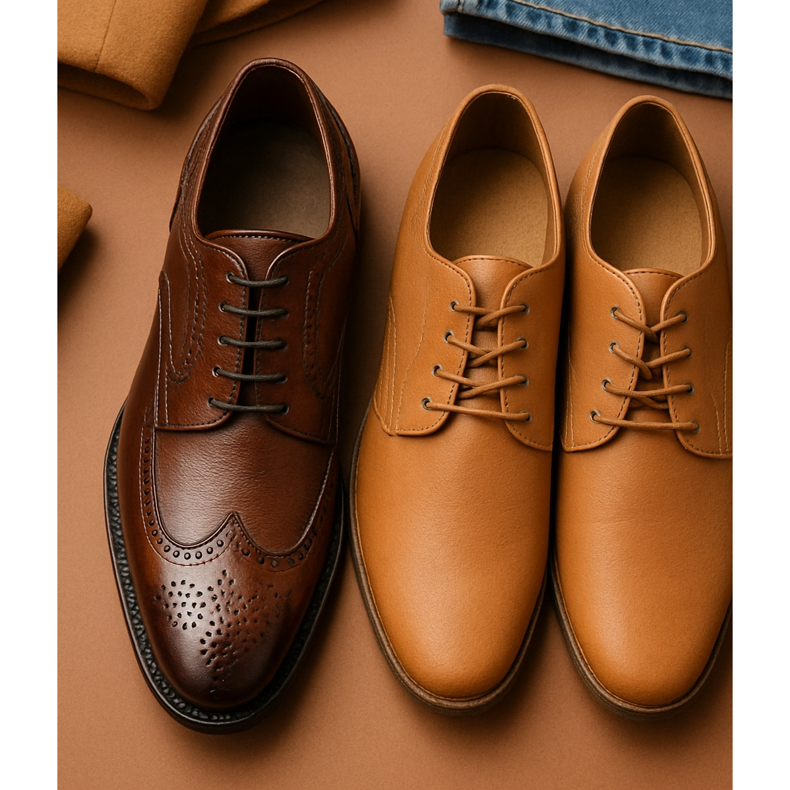
Elegant men's shoes can cost from several hundred to several thousand zlotys. The difference in price is often huge, but does it always mean a difference in quality? When is it worth investing in more expensive footwear, and when will a cheaper option be sufficient?
Understanding what influences the price of shoes - materials, construction, brand, origin - will help you make informed purchasing decisions and build a wardrobe that will last for years.
In this guide, you'll learn the differences between cheap and expensive shoes and when investing in quality really pays off.
Shoe price segments - what for what?
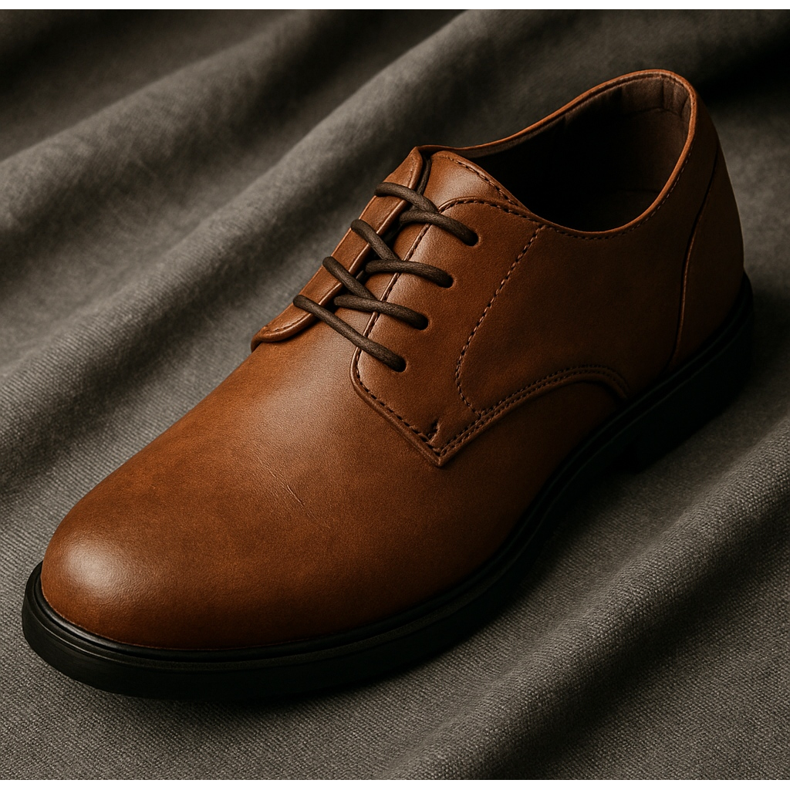
Cheap shoes (up to PLN 300)
Materials: Most often, artificial leather (PU, PVC) or very low quality leather (thin, stiff). Synthetic lining, non-breathable.
Construction: Glued - the sole is glued to the upper. Cannot be resolved.
Resilience: 6-12 months with regular use.
Comfort: Limited - Materials do not breathe, no arch support.
Brand examples: CCC, Deichmann, mass production from Asia.
Medium shelf (PLN 300-800)
Materials: Real leather (although often thin and of lower quality), better lining.
Construction: Most often glued or Blake (less often Goodyear Welted).
Resilience: 1-3 years with good maintenance.
Comfort: Good - leather breathes, better finish.
Brand examples: Clarks, Ecco, Geox, Polish brands such as Badura, Conhpol.
Higher shelf (PLN 800-2,000)
Materials: High-quality leather (full grain, thick), leather lining, cork-leather insole.
Construction: Goodyear Welted, Norwegian Welted, Blake - possibility of multiple resoling.
Resilience: 5-10 years or more with regular maintenance and re-salting.
Comfort: Perfect - shoes adapt to the foot, excellent ventilation.
Brand examples: Meermin, Loake, Cheaney, Carlos Santos, Yanko.
Luxury shoes (PLN 2,000+)
Materials: The best leather (cordovan, calf), hand finishing, exclusive details.
Construction: Goodyear Welted, hand-welted, often partially hand sewn.
Resilience: Decades with proper maintenance.
Comfort: Supreme - precise fit, best ventilation.
Brand examples: Crockett & Jones, Church's, Tricker's, Allen Edmonds, Edward Green, John Lobb, Berluti.

Key differences between cheap and expensive shoes
Materials
- Natural full-grain leather: The best, most durable, breathes, gains character with age
- Top-grain leather: Good quality, slightly polished surface
- Cracked leather (corrected grain): Lower quality, sanded and coated
- Artificial Leather: It's cheap, it doesn't breathe, it deteriorates quickly
Application: The better the material, the more expensive the shoes, but also the more durable they are.
Construction
- Glued: The cheapest, cannot be resolved, short service life
- Blake: Lighter, flexible, can be resoled 2-3 times
- Goodyear Welted: The most durable, can be resoled many times, waterproof, heavier
Application: Goodyear Welted is a long-term investment - the shoes can last for decades.
Manual vs machine
- Mass production: Machines, fast, cheap, less precision
- Manual elements: Greater precision, better quality, more expensive
- Bespoke (made to order): Completely handmade, perfect fit, very expensive
When is it worth investing in more expensive shoes?
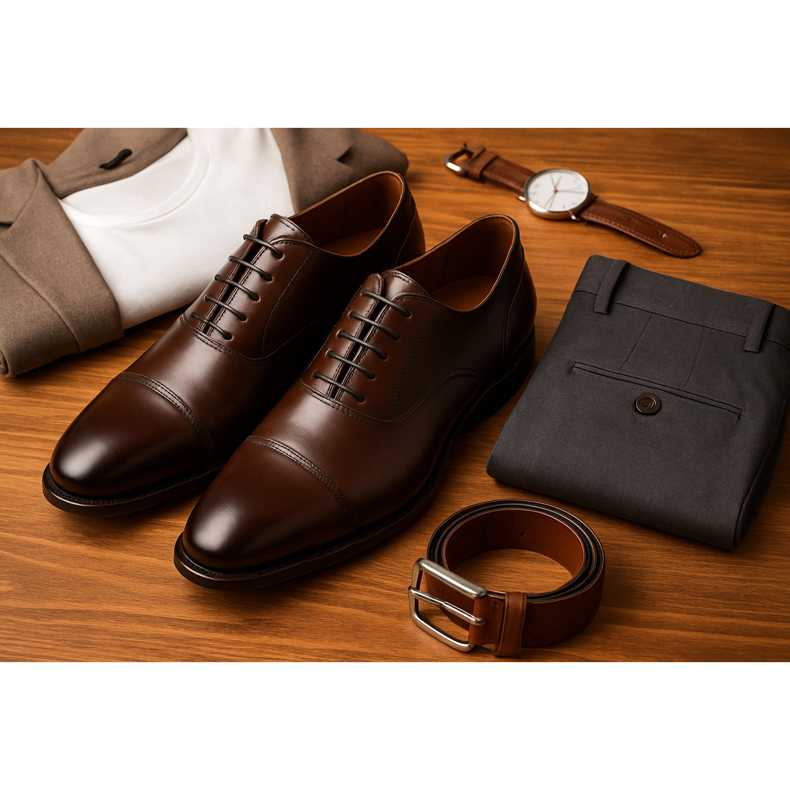
YES - invest in more expensive shoes if:
✅ You wear them to work every day - everyday use requires durability
✅ You need formal footwear - cheap shoes look cheap
✅ You have orthopedic problems - better support and materials will help
✅ You want to build a classic wardrobe - quality shoes are an investment for years
✅ You value comfort - expensive shoes are simply more comfortable
✅ You care about the environment - better shoes = less replacement = less waste
NO - save if:
❌ You need shoes for a specific occasion (e.g. a one-time wedding)
❌ The shoes will be worn very rarely
❌ This is a very fashionable, trendy model that will quickly go out of fashion
❌ You are at the stage of experimenting with style and you don't know what you like yet
❌ You need something for a while (e.g. for renovation)

Profitability of investment - cost per use
Cost Per Wear
This is the best way to assess the profitability of a purchase:
Example 1: Cheap shoes
Price: PLN 200
Service life: 12 months (50 uses)
Cost per use: PLN 200 / 50 = PLN 4
Example 2: Expensive shoes
Price: PLN 1,500
Service life: 10 years (500 uses)
Cost per use: PLN 1,500 / 500 = PLN 3
+ possibility of resoling (3 x PLN 200 = PLN 600)
+ additional 5 years of use (250 uses)
Total cost: PLN 2,100 / 750 uses = PLN 2.80
Application: More expensive shoes are cheaper in the long run!

How to build a shoe collection wisely?
Buy 3 pairs of quality shoes instead of 10 cheap ones
- Pair 1: Black Oxfords (Formal)
- Pair 2: Brown Derby (smart casual)
- Pair 3: Sneakers or loafers (casual)
These three pairs will cover 90% of your needs and will serve you for years.
Buy shoes on sale
Branded shoes can be purchased cheaper during seasonal sales (50-70% discount). Follow mid- and high-end brands.
Consider second-hand premium
Used luxury shoes (e.g. Crockett & Jones) in good condition can be purchased for a fraction of the price of new ones. Check Vinted, OLX, specialized stores.
Prioritize
Invest more in the shoes you wear most often (e.g. for work) and save on the occasional ones.
Learn maintenance
Good care extends the life of your shoes by years. It's cheaper than buying new pairs.

Summary
The difference between cheap and expensive shoes isn't just price - it's materials, construction, durability, comfort, and long-term profitability. Expensive shoes may seem like an investment at first, but in the long run they are cheaper and much more comfortable.
The key is a conscious approach: invest in classic, universal models that you will wear often, and save on occasional, trendy shoes.
Remember: quality shoes are not only a matter of money, but also of philosophy - buy less, but better.